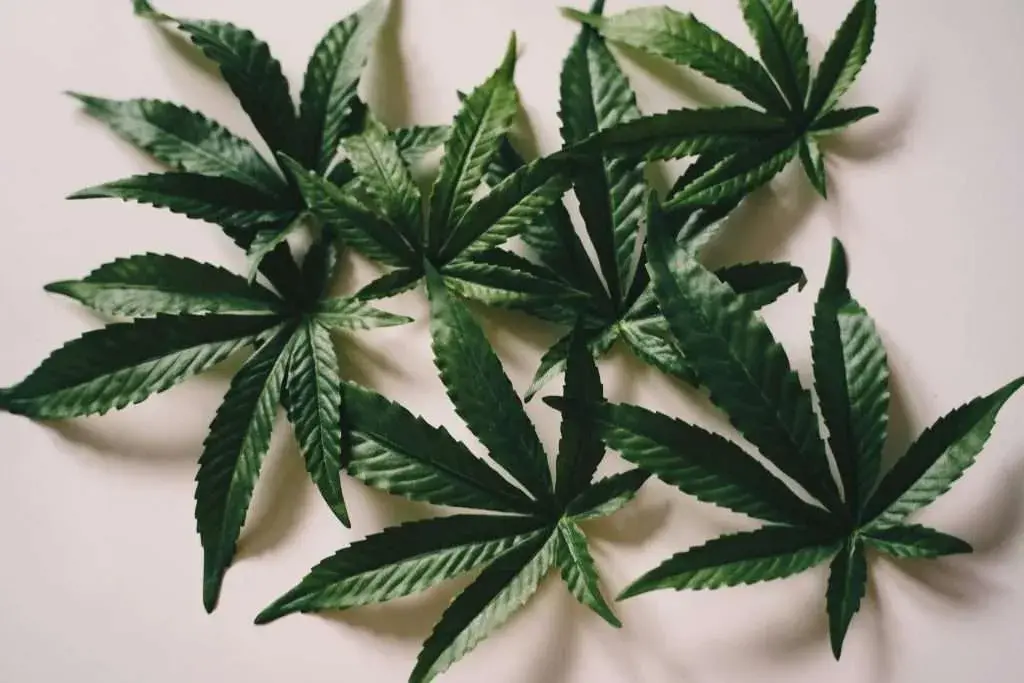
THCA (tetrahydrocannabinolic acid) flower has emerged as a sought-after option for wellness-minded individuals eager to explore natural, plant-based alternatives. Known for being non-psychoactive in its raw form, THCA flower offers unique advantages for those wishing to experience the positive properties of cannabis without intoxication. If you’re interested in experiencing these effects firsthand, buy now and discover a new way to support your health routine.
As researchers continue to uncover new properties of cannabinoids like THCA, more consumers are turning to whole-plant therapies for relief from chronic inflammation, neurological disorders, and appetite or nausea issues. Unlike THC, which is well-known for producing a high, THCA binds with the body differently, allowing people to benefit from cannabis without sacrificing mental clarity. High-quality THCA flower is gaining recognition as an innovative addition to holistic wellness practices, with a variety of consumption methods to suit different preferences and lifestyle needs.
Whether seeking help for arthritis, looking for neuroprotective support, or exploring alternatives to traditional anti-nausea medications, THCA flower provides compelling benefits. Understanding quality factors such as potency, terpene profiles, and responsible cultivation is essential for making informed decisions when selecting THCA products. This article breaks down the health benefits, usage methods, and legal considerations, helping readers choose the best THCA flower for their personal needs.
Curious about the science behind cannabinoid wellness? The National Center for Complementary and Integrative Health offers comprehensive details about the ongoing research and regulations surrounding cannabis and cannabinoids.
Health Benefits of THCA Flower
As research on cannabinoids expands, THCA flower has been identified as a source of multiple health benefits. Unlike THC, THCA cannot bind strongly with CB1 receptors in the brain, which is why it does not impart psychoactive effects in its natural state. Instead, it delivers highly targeted support for inflammation, brain health, and digestion.
Anti-Inflammatory Properties
THCA has demonstrated the ability to lower inflammation, making it promising for people with autoimmune conditions such as arthritis and Crohn’s disease. Evidence suggests that, by modulating the body’s endocannabinoid system, THCA can reduce the expression of pro-inflammatory cytokines, leading to reduced swelling and discomfort.
Neuroprotective Effects
THCA appears to offer neuroprotective properties, supporting the brain in resisting or recovering from neurodegenerative diseases. This early-stage research points to THCA’s potential to reduce neuroinflammation and possibly slow the progression of conditions such as Alzheimer’s and Parkinson’s, offering hope to those seeking novel preventive approaches. A study published in the British Journal of Pharmacology highlights THCA’s potent PPARγ agonist activity and neuroprotective effects. Read more at PubMed.
Anti-Nausea and Appetite Stimulation
THCA is recognized for its ability to counteract nausea and stimulate appetite, which is particularly beneficial for cancer patients experiencing chemotherapy-induced side effects. It seems to mitigate neurotransmitter activity that triggers vomiting and to help balance hunger hormones, which can enhance food intake and support weight maintenance in those who are struggling to maintain weight. Research indicates that THCA is at least 10 times more potent than THC in reducing acute and anticipatory nausea models.
Methods of Consumption
One of the unique attributes of THCA flower is its versatility, which allows users to incorporate it into their daily routines in several ways. Each method has different advantages depending on the user’s wellness goals.
Raw Consumption
Using raw THCA flower (by juicing, adding to smoothies, or using in salads) preserves its non-psychoactive state. This approach is favored by individuals who want therapeutic effects without any mind-altering impact. The raw format supports bioavailability and delivers a burst of cannabinoids, vitamins, and minerals straight from the plant.
Smoking and Vaporizing
Introducing heat to THCA flower, either by smoking or vaporizing, causes decarboxylation. This transforms THCA into THC, making it psychoactive and suitable for those seeking traditional cannabis effects. Vaporizing is preferred by many health-conscious users since it allows for lower temperatures and efficient cannabinoid conversion with fewer harmful byproducts compared to smoking.
Choosing High-Quality THCA Flower
Safety and efficacy depend on the quality of the THCA flower you select. Consider these criteria before making a purchase.
Potency
Reliable suppliers present lab-tested potency numbers, indicating the percentage of THCA present. This gives consumers confidence in achieving consistent desired results and helps avoid products that have been misrepresented or adulterated.
Terpene Profile and Aroma
Premium THCA flower is often aromatic with distinct notes that showcase its terpene complexity. The terpene profile not only impacts aroma and flavor but also shapes the therapeutic experience of the flower, with certain terpenes known for promoting relaxation, energy, or pain relief.
Appearance
Look for dense buds coated in visible trichomes, the crystalline structures that contain cannabinoids and terpenes. Buds should feel sticky and show signs of a professional cure, without seeds, stems, or excess dryness.
Cultivation Practices
The best THCA flowers are cultivated using organic and environmentally conscious methods. Avoiding pesticides, herbicides, and synthetic fertilizers ensures the end product is pure and safe, while also supporting sustainable agriculture.
Legal Considerations
The legal framework for THCA flower is complex and varies by region. While the raw compound THCA is generally not restricted, heating or processing it into THC may bring it under stricter regulation. Consumers should familiarize themselves with local and federal law before purchasing or consuming THCA flower to remain compliant and avoid legal complications.
Conclusion
THCA flower represents a promising addition to holistic wellness routines, delivering non-psychoactive therapeutic effects and a range of usage options. By understanding the science, recognizing quality markers, and considering legal status, consumers can safely and effectively integrate THCA flower into their lifestyle for improved health and well-being.
Also Read-Making Eye Exams Smoother With Better Tech
