What Is Paint Protection Film?
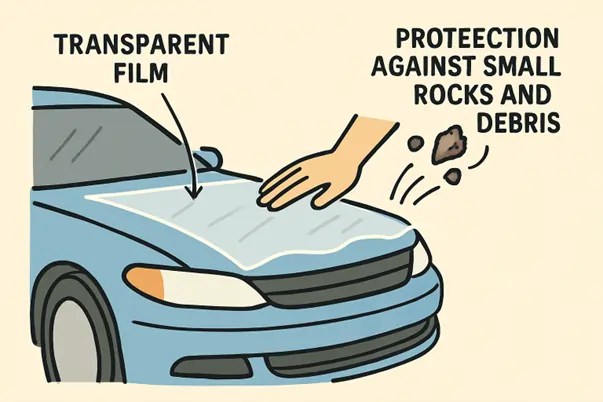
Paint Protection Film (PPF), often called “clear bra,” is a thin, transparent urethane layer applied to a vehicle’s exterior to guard against common sources of paint damage. Developed initially for military applications, this technology now benefits drivers everywhere by providing a durable shield against stone chips, bug splatters, and light abrasions. Learning the basics of protective automotive coatings is crucial if you want to maintain your vehicle’s finish, especially when considering options like ceramic coating for cars in Longwood, FL. These solutions not only protect your paint but also help preserve resale value.
PPF has evolved over the years, with modern film variants engineered to be virtually invisible and highly impact-resistant. The film adheres seamlessly to painted surfaces, making it a preferred choice for those looking to safeguard their vehicle’s aesthetics without altering its appearance. Compared to older methods of protection, such as bulky car bras or frequent waxing, PPF represents a significant technological leap.
The popularity of PPF stems from its ability to prevent unsightly scratches and chips caused by daily driving. Especially in regions where road debris and environmental contaminants are common, applying a high-quality protective film can keep your car looking pristine for much longer than paint alone would allow.
In addition to paint protection films, related services like automotive ceramic coating near me are gaining attention for providing an additional layer of hydrophobicity and chemical resistance, offering comprehensive care for your vehicle’s exterior.
According to a recent Car and Driver article, applying PPF and ceramic coatings not only helps prevent physical damage but also makes routine cleaning and maintenance easier, reducing the need for aggressive cleaning agents or frequent touch-ups.
Paint protection films are not one-size-fits-all. Depending on the desired look and level of customization, vehicle owners can choose from several finishes:
- Glossy Finish: These films enhance your car’s natural shine, making the paintwork appear deep and lustrous.
- Matte Finish: For a modern, understated appearance, matte PPF dulls reflectivity while still offering top-notch protection.
- Colored Films: Some manufacturers now offer colored protection films, combining personalized aesthetics with functional defense. This option can also help mask existing imperfections.
Installation Process
While professional installation is generally recommended, understanding the PPF application process helps you manage expectations and recognize a quality job. Many car owners who search for automotive ceramic coating near me are also exploring paint protection film as part of a comprehensive exterior protection strategy. The typical steps include:
- Surface Preparation: The vehicle’s surface is thoroughly cleaned and decontaminated. Any dirt, wax, or chemical residues are removed to guarantee optimal adhesion.
- Film Application: Using a slip solution, the installer carefully positions the film, matching the vehicle’s curves and edges precisely.
- Adhesion: A squeegee removes air bubbles and excess solution, ensuring a smooth bond between the film and the surface.
- Curing: The vehicle is left undisturbed for a day or two, allowing the film to fully bond and harden.
For do-it-yourself enthusiasts, several online guides offer tips and detailed procedural walkthroughs. However, due to the precision required, expert installation is often the safest route for a flawless result.
Maintenance Tips
Preserving your PPF requires regular, gentle care. Use a pH-neutral car wash solution and a soft microfiber mitt when washing. Avoid abrasive sponges or automated car washes that use harsh brushes, which can damage the protective film. Checking the film for edge lifting or any damage after exposure to harsh elements allows for prompt repair and the best long-term results.
- Regular Washing: Clean the surface regularly to remove road grime, pollen, or bird droppings that could mar the finish.
- Avoid Harsh Chemicals: Solvent-based or highly caustic cleaners can degrade the film’s protective properties, so stick to recommended products.
- Inspect Periodically: Look out for lifting edges or localized damage, especially after long drives or extreme weather.
Common Myths About Paint Protection Film
Misinformation sometimes leads drivers to overlook the benefits of PPF. Some believe it is costly, hard to maintain, or that it can significantly alter a vehicle’s appearance. In reality, PPF offers affordable long-term protection, easy care routines, and a nearly invisible look when installed correctly. Addressing these myths encourages more vehicle owners to explore PPF and similar technologies to extend the lifespan of their automotive investment.
Is Paint Protection Film Right for You?
Deciding to invest in PPF comes down to assessing your driving conditions, local environment, and personal preferences. If you navigate areas with heavy traffic, construction, or frequently encounter road debris, PPF can significantly reduce paint damage. Likewise, vehicles parked outdoors or exposed to high UV levels benefit from the film’s protective properties. Review your budget alongside the long-term savings on potential repainting or repairs.
Final Thoughts
Paint Protection Film offers comprehensive coverage against everyday hazards that can compromise your vehicle’s paint. By learning about its benefits, available finishes, and simple maintenance, you can better protect your vehicle and enhance its value for years to come.
Read more: How Technology Is Shaping the Future of Home Buying
How Track Surface Choice Affects Athlete Performance and Injury Risk
The Psychology Behind Online Decision-Making and Digital Trust
