Blog

  • Why Do You Need Heavy-Duty Load Bars?

    Why Do You Need Heavy-Duty Load Bars?

    You have finally planned that pending overlanding trip. The route is decided, supplies are bought and you are ready to keep that sleek rooftop tent, but before you start loading up, closely look at what is supporting this gear.

    If you have standard factory roof racks, they can’t secure the heavy tent with two adults inside because it’s designed to carry duffel bags or a couple of kayaks. Therefore, you must invest in load bars to make your adventure safe and fun.

    Eager to learn more? This blog will give you the reasons.

    (Source)

    It Offers Dynamic Weight Capacity

    All car components have weight ratings and your roof rack is no different. As an SUV owner, it’s better to understand the difference between dynamic and static loads

    Dynamic Load – This is your roof’s weight that it can safely hold while the vehicle is moving. The load can tolerate braking, cornering, hitting potholes and standard factory load bars’ maximum limit is around 150 to 200 pounds.

    Static Load – The static load is the weight your roof can hold when the vehicle is still. Premium-quality load bars limit is up to 800 pounds, easily accommodating your tents and passengers. A heavy-duty set of load bars offers a high dynamic rating required to carry the tent to the camping site and a static rating to hold you when asleep.

    Provides Structural Integrity on Rough Road

    Everyone knows that off-roading is harsh on gear. Here, standard factory bars are attached to the thinnest approved portion of the roof sheet metal, whereas load bars are designed to distribute weight over a wider footprint.

    When driving towards the destination, if you hit a washboard road with an unsecured or overloaded roof rack, the forces are multiplied and in severe cases, this:

    • Cracks in the roof gulleys
    • Factory bolts break off
    • Extra flexing that loosens your gear
    • Heavy-duty load bars use thicker aluminum or stainless steel. This reduces flex and offers a massive safety margin that is essential for overlanding.

    It Allows Customization

    Overlanding demands carrying bulky or awkwardly shaped items. Standard bars provide limited points, but load bars allow customization. Many come with built-in channels on multiple sides, which let you mount rooftop tents flush to the bars, jerry cans for fuel or water, solar panels and recovery boards.

    For the best heavy-duty load bars, check out DVO. Their teams will guide you and show you suitable ones.

    Frequently Asked Questions

    Are aluminum or steel Load Bars better for off-roading?

    Aluminum is generally preferred for overlanding because it is lightweight and naturally rust-resistant.

    Can I install heavy-duty load bars on any vehicle?

    You can install on trucks, SUVs and crossovers, but the mounting style depends on your vehicle’s roof type.

    Read more: Placebos and Controls: Essential Tools in Clinical Research

    A Beginner’s Guide to Paint Protection Films

    How Technology Is Shaping the Future of Home Buying

  • How Everyday Style Confidence Starts With Subtle Details

    How Everyday Style Confidence Starts With Subtle Details

    Sometimes all you need is the perfect accessory to add more confidence to your personal style. A rectangular women’s watch from Alba is probably the perfect antidote. 

    But wait, you say. You don’t have a rectangular women’s watch just yet. 

    Luckily for you, Alba has come to the Philippines to give you the very best of affordable women’s watches. And in its collection are strikingly beautiful rectangular women’s watches that give you a confidence boost. 

    Why A Rectangular Women’s Watch

    You ask again, why should I get a rectangular women’s watch? Well, there’s quite a few reasons. It’s all about subtle details that give you a lot of confidence. 

    Rectangular ladies watches came into vogue around the 1920s when Art Deco dominated the tastes of the sophisticates. It’s a classic women’s wristwatch silhouette that just seems so timeless. 

    It’s a distinct departure from the look of a tool watch. Looking at it, you know that it’s all about functional style rather than just being your usual timekeeper. 

    Aside from the looks, you’ll find that rectangular women’s watches are very comfortable. It follows the shape of your wrist more closely, so you won’t feel lugs digging into you. They also slide nicely into your shirt cuff if you’re wearing a blazer for those important office meetings making the design great for that dress watch aesthetic. 

    Rectangular Women’s Watches Make The World Go Round

    Here, you’ll find that Alba has  a diverse set of rectangular women’s watches that you can choose from in the Prestige Collection. Take a look for yourself to see something that matches your personal style. 

    Two Tone Classic: AH7ES7X1

    Silver and gold is such a classic combination. There’s something so chic and fashionable about it. At 25.5mm, the AH7ES7X1 from the Prestige Collection is a rectangular watch that fits nicely on your wrist. The stainless steel case with a sapphire crystal is robust and protects the white silver dial with roman numerals. 

    Running on a quartz VJ22 movement, you’ll quickly find out that this is a precise timepiece which is why quartz watches are so popular. 

    This would look great on you while wearing an all-ensemble. Maybe a pants suit for a nice lunch out with business partners. Match it with a two-tone necklace and you’ve got an outfit. 

    Minimalist Elegance: AH7ET1X1 

    Minimalist women’s watches have come in fashion these days and the AH7ET1X1 is a great example of this. Also coming in at 25.5mm, this fits rather nicely on your wrist. Because it has sapphire crystal, you’ll get an extraordinary clear view of the spic and span white dial and roman numerals. 

    It has the same trustworthy VJ22 quartz movement for reliability and precision. Quartz will run for as long as it has batteries which is a quick and easy replacement when they run out. 

    As the hands move across the watchface, you’ll notice that most rectangular women’s watches have roman numerals. It’s because you can stretch these out to match the proportions of the rectangular case.

    It’s a beautifully understated timepiece that you can take to the boardroom. 

    It’s Going To Be Golden: AH7ES6X1

    It’s time to go for gold when you’re on top of the world. Look at you, newly promoted and you want to communicate that you are every bit the capable professional. This rectangular women’s watch in champagne is perfect for that extra subtle touch. 

    Outfitted with sapphire crystal and a workhorse VJ22 movement, you tell the world that you belong and you’re there to stay. 

    As you go up, up, up because it’s your moment, this elegant women’s watch is the perfect accessory to show class and sophistication. 

    It’s All About You and An Alba Women’s Watches

    To tell you the truth, confidence is all about you. And truth be told, not all people will have confidence at the start. But the great thing is, you can build it. And a rectangular women’s watch from Alba can go a long way to adding that extra splash of confidence. 

    Add a great looking watch to your collection when you visit Alba Philippines. You’ll find great timepieces that add a subtle boost to your confidence. 

    Be confident. Be you. Alba is here for you. 

    ALSO READ

  • Placebos and Controls: Essential Tools in Clinical Research

    Placebos and Controls: Essential Tools in Clinical Research

    In clinical research, accurately measuring the success of a new treatment depends on a rigorous study design. Two key components in establishing whether a treatment truly works are the use of placebos and control groups. These essential tools help researchers lay a scientific foundation for comparison, enabling them to distinguish real results from outcomes driven by patient expectations or the natural history of an illness. Understanding the role of these concepts is particularly important for anyone interested in how medical advances are tested, especially in the first phase of a clinical trial, when the initial effects of new interventions are explored.

    A placebo is an inactive substance or procedure that mimics the experimental treatment, while a control group serves as the reference point against which the effects of the experimental treatment are measured. Both provide benchmarks that are critical for scientific credibility, protecting clinical trials from the influence of psychological or external factors. By using these tools effectively, researchers can deliver results that advance medical knowledge and ultimately improve patient care.

    The use of placebos is rooted in decades of scientific research, revealing that patient belief alone can trigger real physiological changes, an effect commonly called the placebo effect. Control groups counteract this and other biases, making clinical trials more objective and outcomes more reliable.

    Understanding Placebos in Clinical Trials

    Placebos are more than inert “sugar pills.” They can be injections, topical creams, or even mock procedures, depending on the study’s context. The placebo effect, the measurable improvement in patients who believe they are receiving a treatment, is a powerful testament to the mind-body connection. Researchers incorporate placebos into trials to separate improvements caused by expectation from those caused by the actual treatment being tested.

    This distinction is crucial in early clinical trial phases, as it prevents overestimating a treatment’s benefits. Without placebos, it can be nearly impossible to know if a therapy is genuinely effective or if perceived gains are tied to patient optimism or natural fluctuations in symptoms.

    The Role of Control Groups

    Control groups are the backbone of robust clinical trials. They allow researchers to identify what happens when a patient receives no intervention, a placebo, or the gold-standard existing treatment. Without this comparative anchor, the true impact of a new drug or therapy could remain hidden or misinterpreted.

    A trial might have several types of control groups, depending on ethical and practical considerations. Strategic use of controls helps eliminate alternative explanations for outcomes, such as improvements due to other medications, lifestyle changes, or even seasonal variation in symptoms.

    Types of Control Groups

    • Placebo-Controlled Groups: Participants receive a placebo indistinguishable from the investigational treatment. This design is the hallmark of determining a therapy’s effectiveness beyond mental or psychological responses alone.
    • Active-Controlled Groups: In these groups, volunteers are given an established standard-of-care treatment rather than a placebo. This helps determine if a new therapy surpasses what is already available or simply matches it.
    • Historical Controls: When using historical controls, outcomes from earlier studies or patient populations are used for comparison. While useful in rare diseases where recruitment is challenging, this type faces criticism for potential differences in data collection or healthcare standards over time.

    Ethical Considerations

    Ethics lies at the heart of clinical research design, especially concerning the use of placebos and control groups. Regulatory frameworks, such as the Declaration of Helsinki, emphasize that placebos are ethically permitted only when no proven or effective therapy exists for the condition being studied. When alternative treatments are established, withholding them could endanger participants, making placebo use inappropriate.

    Transparency about the use of placebos is essential. Participants must be fully informed and voluntarily consent to the study’s conditions. Ethical review boards oversee protocols to ensure participant welfare is prioritized at every step.

    Challenges in Blinding

    Blinding, or masking, aims to keep patients and researchers unaware of which group receives the actual treatment, thereby counteracting conscious or unconscious biases. Effective blinding can be difficult, particularly if new therapies have noticeable side effects or distinctive characteristics. When blinding is compromised, even highly controlled trials risk generating biased results.

    To address these challenges, researchers fine-tune their trial designs, sometimes employing double-blinding (where neither patients nor study staff know assignment) or using “active placebos” that mimic side effects. This meticulous planning is vital for unbiased results.

    Innovations in Control Methods

    The growing field of synthetic control arms is reshaping clinical research. These methods use real-world patient data from electronic health records or registries to create virtual control groups. Particularly useful in rare diseases, synthetic controls reduce the need for large patient cohorts and allow studies to continue even when recruiting participants for traditional control groups is infeasible. These data-driven advances make trials more flexible while upholding scientific rigor, offering a promising avenue for complex or urgent medical questions.

    Public Perception of Placebos

    Patients’ understanding of placebos can influence trial outcomes. Some view placebos as harmless scientific tools, while others see them as “fake treatments.” Communicating the rationale for placebo use and its impact on scientific discovery is crucial for building trust in research. People who strongly believe in the potential benefits of a placebo may experience stronger effects, underscoring the need for well-designed trials and clear information for participants.

    Final Thoughts

    The use of placebos and control groups underpins the integrity of clinical research, enabling investigators to distinguish genuine treatment effects from psychological or incidental factors. While ethical and methodological challenges must be navigated carefully, ongoing innovations in trial design and data management ensure that these fundamental concepts remain central to the development of safe, effective medical interventions.

    Read more: A Beginner’s Guide to Paint Protection Films

    How Technology Is Shaping the Future of Home Buying

    How Track Surface Choice Affects Athlete Performance and Injury Risk

  • A Beginner’s Guide to Paint Protection Films

    A Beginner’s Guide to Paint Protection Films

    What Is Paint Protection Film?

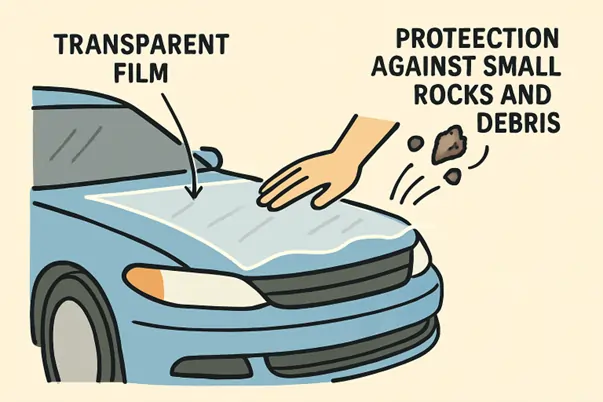
    Paint Protection Film (PPF), often called “clear bra,” is a thin, transparent urethane layer applied to a vehicle’s exterior to guard against common sources of paint damage. Developed initially for military applications, this technology now benefits drivers everywhere by providing a durable shield against stone chips, bug splatters, and light abrasions. Learning the basics of protective automotive coatings is crucial if you want to maintain your vehicle’s finish, especially when considering options like ceramic coating for cars in Longwood, FL. These solutions not only protect your paint but also help preserve resale value.

    PPF has evolved over the years, with modern film variants engineered to be virtually invisible and highly impact-resistant. The film adheres seamlessly to painted surfaces, making it a preferred choice for those looking to safeguard their vehicle’s aesthetics without altering its appearance. Compared to older methods of protection, such as bulky car bras or frequent waxing, PPF represents a significant technological leap.

    The popularity of PPF stems from its ability to prevent unsightly scratches and chips caused by daily driving. Especially in regions where road debris and environmental contaminants are common, applying a high-quality protective film can keep your car looking pristine for much longer than paint alone would allow.

    In addition to paint protection films, related services like automotive ceramic coating near me are gaining attention for providing an additional layer of hydrophobicity and chemical resistance, offering comprehensive care for your vehicle’s exterior.

    According to a recent Car and Driver article, applying PPF and ceramic coatings not only helps prevent physical damage but also makes routine cleaning and maintenance easier, reducing the need for aggressive cleaning agents or frequent touch-ups.

    Paint protection films are not one-size-fits-all. Depending on the desired look and level of customization, vehicle owners can choose from several finishes:

    • Glossy Finish: These films enhance your car’s natural shine, making the paintwork appear deep and lustrous.
    • Matte Finish: For a modern, understated appearance, matte PPF dulls reflectivity while still offering top-notch protection.
    • Colored Films: Some manufacturers now offer colored protection films, combining personalized aesthetics with functional defense. This option can also help mask existing imperfections.

    Installation Process

    While professional installation is generally recommended, understanding the PPF application process helps you manage expectations and recognize a quality job. Many car owners who search for automotive ceramic coating near me are also exploring paint protection film as part of a comprehensive exterior protection strategy. The typical steps include:

    1. Surface Preparation: The vehicle’s surface is thoroughly cleaned and decontaminated. Any dirt, wax, or chemical residues are removed to guarantee optimal adhesion.
    2. Film Application: Using a slip solution, the installer carefully positions the film, matching the vehicle’s curves and edges precisely.
    3. Adhesion: A squeegee removes air bubbles and excess solution, ensuring a smooth bond between the film and the surface.
    4. Curing: The vehicle is left undisturbed for a day or two, allowing the film to fully bond and harden.

    For do-it-yourself enthusiasts, several online guides offer tips and detailed procedural walkthroughs. However, due to the precision required, expert installation is often the safest route for a flawless result.

    Maintenance Tips

    Preserving your PPF requires regular, gentle care. Use a pH-neutral car wash solution and a soft microfiber mitt when washing. Avoid abrasive sponges or automated car washes that use harsh brushes, which can damage the protective film. Checking the film for edge lifting or any damage after exposure to harsh elements allows for prompt repair and the best long-term results.

    • Regular Washing: Clean the surface regularly to remove road grime, pollen, or bird droppings that could mar the finish.
    • Avoid Harsh Chemicals: Solvent-based or highly caustic cleaners can degrade the film’s protective properties, so stick to recommended products.
    • Inspect Periodically: Look out for lifting edges or localized damage, especially after long drives or extreme weather.

    Common Myths About Paint Protection Film

    Misinformation sometimes leads drivers to overlook the benefits of PPF. Some believe it is costly, hard to maintain, or that it can significantly alter a vehicle’s appearance. In reality, PPF offers affordable long-term protection, easy care routines, and a nearly invisible look when installed correctly. Addressing these myths encourages more vehicle owners to explore PPF and similar technologies to extend the lifespan of their automotive investment.

    Is Paint Protection Film Right for You?

    Deciding to invest in PPF comes down to assessing your driving conditions, local environment, and personal preferences. If you navigate areas with heavy traffic, construction, or frequently encounter road debris, PPF can significantly reduce paint damage. Likewise, vehicles parked outdoors or exposed to high UV levels benefit from the film’s protective properties. Review your budget alongside the long-term savings on potential repainting or repairs.

    Final Thoughts

    Paint Protection Film offers comprehensive coverage against everyday hazards that can compromise your vehicle’s paint. By learning about its benefits, available finishes, and simple maintenance, you can better protect your vehicle and enhance its value for years to come.

    Read more: How Technology Is Shaping the Future of Home Buying

    How Track Surface Choice Affects Athlete Performance and Injury Risk

    The Psychology Behind Online Decision-Making and Digital Trust

  • How Technology Is Shaping the Future of Home Buying

    How Technology Is Shaping the Future of Home Buying

    The landscape of home buying is undergoing a significant transformation, driven by rapid technological advancements that impact every stage of the process. From the earliest steps of property searching to finalizing transactions, technology has made the home-buying journey more transparent, efficient, and personalized than ever before. Tools like virtual home tours, predictive analytics, and AI-powered platforms now enable buyers and sellers to access a wealth of information from their phones or computers, saving time and reducing uncertainty. For instance, Santa Cruz CA real estate agent Daniel Oster, founder of Just Listed Santa Cruz, leverages cutting-edge digital tools to provide his clients not only with comprehensive market insights but also with personalized property recommendations based on their unique needs and lifestyles. As a result, buyers can now navigate the market with greater confidence and ease, while agents are empowered to offer better guidance and support.

    Virtual and Augmented Reality: Immersive Property Exploration

    Virtual reality (VR) and augmented reality (AR) have revolutionized property viewing, enabling buyers to virtually explore homes with VR headsets or smartphones. These immersive tours simulate walking through a property and give users control over their experience. This innovation saves time and travel, broadens exploration beyond local areas, and helps relocating families, busy professionals, and international buyers engage with the market. Listings featuring virtual tours garner more interest and inquiries than traditional photos, underscoring their significance in modern real estate. Consequently, agents and developers frequently invest in VR and AR to attract tech-savvy clients and differentiate themselves in competitive markets.

    Artificial Intelligence: Personalized Recommendations and Market Insights

    Artificial intelligence (AI) is revolutionizing the home-buying process by providing personalized property recommendations and market insights. AI systems analyze extensive data, including property features, neighborhood statistics, past sales, and buyer preferences, to identify relevant homes. They adapt by learning user behavior, which helps refine recommendations, reducing search time and better matching needs. AI-powered analytics offer real-time updates on price movements, inventory levels, and emerging neighborhoods, enabling buyers to make strategic decisions. For instance, an AI platform can propose homes based on criteria such as the number of bedrooms, proximity to schools, or walkability, enhancing the experience for both first-time and experienced buyers. Additionally, AI helps agents understand demand trends and optimize their marketing efforts.

    Blockchain: Enhancing Transparency and Security

    Blockchain improves transparency and security in real estate by recording property data on a decentralized, immutable ledger, helping reduce fraud and tampering. It simplifies processes such as title transfers, escrow, and contract execution, reducing paperwork and delays. All changes are recorded and timestamped, enabling real-time transaction tracking. Industry experts estimate that blockchain could save billions globally by reducing errors, preventing fraud, and automating manual procedures.

    Smart Homes: The Integration of IoT

    The growth of smart home technology, fueled by IoT, is rapidly influencing buyer preferences and current living standards. Homebuyers now look for features such as smart thermostats, integrated security systems, smart lighting, and voice assistants, which improve convenience, comfort, and energy savings. For example, smart thermostats automatically regulate temperature, while advanced security setups enable remote monitoring and alerts. This trend has become essential in new constructions and renovations, attracting tech-savvy buyers who prioritize connectivity, safety, and sustainability. Those investing in IoT upgrades often benefit from increased interest and higher resale prices.

    Data Analytics: Informed Decision-Making

    Big data analytics provide buyers and sellers with comprehensive market information that was once accessible only to professionals. By examining details such as home prices, sales data, school ratings, crime statistics, and local amenities, buyers can make informed decisions, reducing uncertainty and enhancing confidence. Analytics also help spot emerging neighborhoods by monitoring trends in value growth and demographic shifts, supporting smarter investments. Additionally, some apps help compare financial forecasts and potential returns, minimizing surprises and boosting user satisfaction.

    Mobile Applications: On-the-Go Accessibility

    Mobile apps play a vital role in home-buying by providing flexibility and control. Users can search for properties, arrange viewings, take virtual tours, calculate mortgages, and connect with agents from any location. This convenient access facilitates quicker, more informed decisions and caters to the modern preference for self-service. Builder apps allow users to explore floor plans, book tours, and personalize designs. During negotiations, these apps support rapid communication and document sharing, helping ensure transactions proceed smoothly.

    3D Printing: Revolutionizing Home Construction

    3D printing is revolutionizing home construction by accelerating construction, reducing costs, and enabling customization. It uses specialized printers and concrete to produce structural components efficiently, reducing build times and costs. Entire homes have been constructed in just a few days, helping address housing shortages and support disaster relief efforts. The technology offers great design flexibility, enabling tailored layouts and unique features without incurring high additional costs. As technology advances, it has the potential to make homeownership more attainable and to support environmentally friendly, sustainable building methods.

    Conclusion

    Technology is undeniably reshaping the future of home buying, making the process more efficient, transparent, and tailored to individual needs. Virtual reality, artificial intelligence, blockchain, and smart home devices are not only enhancing convenience and security but are changing the expectations of what’s possible in real estate. As these innovations continue to evolve and become more widespread, they promise to deliver even greater benefits for all parties involved, from first-time buyers to seasoned investors and real estate professionals, paving the way for a more dynamic, inclusive, and accessible property market.

    Read more: How Track Surface Choice Affects Athlete Performance and Injury Risk

    The Psychology Behind Online Decision-Making and Digital Trust

    What Employees Seek in Modern Payroll Benefits

  • How Track Surface Choice Affects Athlete Performance and Injury Risk

    How Track Surface Choice Affects Athlete Performance and Injury Risk

    Athletes and coaches know that even minor details can shift the outcome of a game or a race. One essential, sometimes overlooked factor is the track surface itself. Since each training and competition surface has unique properties, the impact on speed, injury risk, and long-term performance can be significant. For anyone considering running track installation, it is important to look closely at the material selection. This decision not only affects day-to-day performance but also influences possible injury patterns over time.

    Understanding how different surfaces impact the body is crucial for those striving for peak performance or long-term health. The balance between speed, shock absorption, safety, and maintenance can vary widely between natural, artificial, and other types of running grounds. In this article, you will find an overview of the most common tracks and fields, as well as tips on how to strike the best balance for training and competition.

    Natural Grass

    Natural grass remains a preferred choice for many athletes, especially in football, soccer, and field sports. Its softness naturally absorbs impact, putting less stress on knees and ankles. This cushioning can help reduce the prevalence of stress fractures and joint pain frequently experienced on harder surfaces. On the other hand, grass fields are vulnerable to varying weather conditions and require substantial maintenance. Rain can quickly make a high-quality pitch slippery and hazardous, while drought may lead to uneven, compacted patches that elevate the risk of falls or twisted ankles.

    Additionally, natural grass provides a familiar environment for athletes who started their sports careers outdoors. This comfort can translate into psychological benefits—reducing anxiety or performance jitters in games played on familiar natural surfaces. Field managers and coaches should weigh the cost and time associated with mowing, watering, and pest control against these potential benefits. Advances in grass seed genetics also continue to improve grass durability, expanding its viability for high-use venues, but maintenance will always be a critical component of preserving safety and playability.

    Artificial Turf

    As technology advances, artificial turf has become more common in both training and competition environments, especially where weather unpredictability is an issue. This surface offers a reliable, even playing area year-round, with excellent drainage. Its structure can support higher speeds and agility, making it appealing for sports like soccer and lacrosse. However, athletes have reported an uptick in specific injuries on turf, including cases of turf toe, heel bruising, and more serious joint issues such as ACL injuries. These are often attributed to the increased grip and lower shock absorption compared to natural grass. Choosing sport-specific footwear designed for turf is one way to decrease these risks, but it requires careful consideration and ongoing attention by coaches and athletes.

    It’s also important to note that artificial turf can become uncomfortably hot under direct sunlight, sometimes reaching temperatures well above natural grass, contributing to dehydration and even increasing the risk of skin burns or blisters. Therefore, hydration protocols and scheduling games outside of peak daylight hours are essential considerations for teams that frequently play on artificial turf.

    Synthetic Tracks

    Synthetic running tracks, such as those made from polyurethane or rubberized compounds, are the standard for most competitive athletics events. These surfaces have been engineered for uniform energy return and excellent shock absorption, qualities that help protect runners against repetitive strain injuries. Athletes often reach their fastest times on these tracks. Consistency is key, allowing competitors to plan each stride with confidence. Even so, repetitive workouts on these idealized surfaces can eventually contribute to overuse injuries such as shin splints, if athletes do not mix up their training or rest appropriately.

    Beyond professional settings, synthetic tracks are starting to appear in more community athletic complexes, schools, and parks due to their versatility and longevity. They generally require less maintenance than natural tracks but do come with initial installation costs and the need for periodic resurfacing. For amateur runners and youth athletes, the uniformity of a synthetic track can help develop proper running mechanics, but it should be balanced with alternative surfaces to nurture well-rounded strength and adaptability.

    Concrete Surfaces

    For many urban runners, concrete is unavoidable. The advantage is accessibility, but the drawbacks center on risk. Since concrete is very hard and offers minimal shock absorption, it transmits more impact to the body with every step. As a result, runners using these surfaces for long periods may be more prone to injuries like stress fractures, shin splints, and joint ailments. Medical research continues to indicate that soft and stable footwear, paired with cross-training on gentler surfaces where possible, is essential to limit potential harm when running frequently on concrete.

    Although concrete paths might be the most available for city dwellers, limiting exposure and incorporating recovery strategies, such as strength training, flexibility work, and proper warm-ups, can help offset some of the challenges. Urban planners are responding to these concerns by designing more mixed-surface running spaces, offering varied terrain within city parks or multi-use paths to promote both convenience and runner safety.

    Trail Surfaces

    Trail running gives athletes access to natural, irregular terrain. Benefits include softer ground, which limits the degree of impact on repetitive footfalls, and constantly changing terrain, which can improve balance and develop key stabilizing muscles. However, with these advantages come unique challenges: obstacles like roots, loose rocks, or mud can result in sprains or falls. Trail runners must adapt to changing conditions and train their proprioception to avoid sudden, acute injuries that are less common on smoother, more predictable surfaces.

    Despite these risks, many athletes are drawn to trails for their scenic appeal and mental health benefits. Exposure to fresh air and diverse landscapes has been linked to reduced stress and enhanced motivation. Joining a trail running club or group can provide safety through numbers, shared expertise, and valuable guidance on navigating particularly technical routes.

    Choosing the Right Surface

    No single track or field will suit every athlete, training regime, or climate. Athletes and coaches must weigh factors such as frequency of use, type of sport, injury history, and local weather patterns. Mixing up surface types during training encourages balanced muscular development and can help stave off overuse injuries while maintaining high performance levels. Additionally, investing in the right footwear for each surface and checking field conditions before each session will further safeguard athlete health.

    It is also worthwhile to consult with sports medicine professionals when making major changes to training routines or surfaces. Biomechanical assessments offer personalized recommendations, helping athletes understand their unique risk factors and design programs to address them preemptively. Such proactive strategies enhance not only performance but also career longevity, as avoiding injury is always preferable to treating one after it happens.

    Conclusion

    Surface choice is a fundamental but sometimes neglected aspect of sports safety and performance. Whether opting for the plush responsiveness of natural grass, the predictability of artificial turf, the engineered consistency of synthetic tracks, or the accessibility of concrete, each has specific advantages and trade-offs. Adapting training routines to these conditions and remaining attentive to new research can empower athletes and their support teams to maximize both results and safety throughout a season and career.

    Ultimately, combining expert input, athlete feedback, and ongoing analysis of injury trends can lead to improved facilities and healthier, more resilient competitors across all sports. As the science of sports surfaces evolves, so should the habits of those who run, jump, and play on them, ensuring that decision-makers remain aware of both short- and long-term implications of their choices.

    Read more: The Psychology Behind Online Decision-Making and Digital Trust

    What Employees Seek in Modern Payroll Benefits

    How Future-Ready Middle Grades Teachers Make a Difference


  • The Benefits of Single-Property vs. Portfolio Investments Under Current Greek Law (2026)

    The Benefits of Single-Property vs. Portfolio Investments Under Current Greek Law (2026)

    A fundamental shift in the Southern European real estate landscape is observed in 2026. The Greek government has implemented sophisticated policies designed to balance foreign capital inflow against local housing needs. For investors, the choice has moved beyond finding a “beautiful villa” to navigating a strict legal framework that distinguishes between Single-Property Assets and Multi-Unit Portfolios.

    The 2026 Regulatory Reality: A Tiered System

    Before choosing a strategy, investors must understand the current “One-Property Rule” that dominates the primary investment tiers, ensuring that each greek golden visa pathway remains a high-quality contribution to the local housing market.

    • Zone A (€800,000): Athens, Thessaloniki, Santorini, and Mykonos are cities that need at least two adjacent plots with 120 square meters of total area.
    • Zone B (€400,000): The remainder of Greece needs a single building that satisfies the smallest size requirement of 120 square meters.
    • Special Conversion (€250,000): This subsidy is used to finance projects based on the transformation of commercial space into residential space and the reconstruction of historical buildings.

    Single-Property Investments: The High-Net-Worth Standard

    For the majority of investors in the €800k and €400k brackets, the single-property path is now the only legal route to residency.

    Key Benefits:

    • Operational Simplicity: There is less cumulative strain on the maintenance work and tax filings.
    • The 120 sqm Compliance: In 2026, the Greek authorities will be very strict on the minimum size rule. An individual luxury apartment or villa can fulfill this need, and attempting to merge smaller units is legally forbidden in Zones A and B.
    • Capital Appreciation: The best assets in the Athens Riviera or historic areas have long been the ones that are most resistant to recession and best appreciated in value over time.

    Portfolio Investments: Diversification via Conversion (€250k)

    While restricted in prime zones, the “Portfolio” strategy is thriving under the €250,000 Conversion Route. Investors can purchase multiple commercial lofts or units within a single building and convert them to residential use.

    Key Benefits:

    • Risk Mitigation: The rental income from other units will balance the income loss that results from one unit being vacant
    •  Higher Yield Potential: The total monthly rent for multiple smaller units, which include studios and 1-bedroom lofts, exceeds the rent for a single large luxury apartment.
    • Exit Strategy Flexibility: It is significantly easier to sell a €125,000 renovated unit to a local buyer than to find a niche international buyer for an €800,000 estate.

    2026 Technical Comparison: Yields & Compliance

    FeatureSingle Luxury (€400k/€800k)Multi-Unit Portfolio (€250k)
    Minimum Size120 sqm MandatoryNo Minimum
    Rental TypeLong-term ONLYLong-term ONLY
    Airbnb EligibilityPROHIBITEDPROHIBITED
    Tax Rate (2026)15% – 45% (Tiered)New 25% bracket (€12k–€24k)
    Legal RiskLow (Single Deed)High (Conversion Zoning)

    Critical Compliance Warning: The “Airbnb Ban”

    Expert Note (Trust Signal): In 2026, all properties acquired via the greek golden visa are strictly prohibited from being listed on short-term rental platforms (Airbnb, Booking.com). Violations result in an immediate €50,000 fine and the permanent revocation of the residency permit. Investors must now pivot to the “Long-term Professional” or “Digital Nomad” tenant market.

    Tax Efficiency & The 2026 Update

    Greece’s rental income tax was updated on January 1, 2026. For portfolio investors, the new 25% intermediate tax bracket (for income between €12,001 and €24,000) requires careful financial modeling. Furthermore, the Electronic Building ID is now a mandatory digital certificate; no transaction can be completed without a verified “Clean Technical Bill of Health.”


    Whether you choose the splendor of a single Athens penthouse or the resilience of a €250k conversion portfolio, your success in 2026 depends on Due Diligence. A real estate agent is no longer sufficient; you require a technical team to verify that your investment complies with the “120 sqm rule” and “Commercial-to-Residential” zoning laws.

    The Digital Property Ledger system will launch in the 2026 fiscal year, which connects Electronic Building IDs to the AADE Tax Authority portal after the 25% intermediate tax bracket. The system will perform an instant compliance check whenever rental income fails to meet the area’s Objective Value, which triggers an automatic audit. The Strategic Conversion option, which costs €250000 provides tax benefits through VAT exemptions for building renovations that receive “Commercial-to-Residential” approval from certified engineers.

    The 2026 update requires all Golden Visa holders to provide their annual “Residency & Asset Declaration” document. The document serves as proof that the investor owns the property and does not use it for illegal short-term rental activities. The most common reason for permit delays during the five-year renewal period arises from applicants who fail to present a “Clean Technical Bill of Health” document. Investors need to hire a Greek tax representative who will help them use automated reporting systems while protecting their assets from becoming regulatory liabilities.

    FAQ

    Q1: Can I buy two €200k apartments in Zone B to get the Golden Visa?

    No. Current law requires the €400k (and €800k) threshold to be met with a single property.

    Q2: What is the fine for short-term rentals?

    The fine is €50,000. All Golden Visa properties are now flagged in the Greek tax registry to prevent illegal short-term listings.

    Q3: Does the 120 sqm rule apply to the €250k conversion route?

    No. The 120 sqm minimum only applies to the “standard” real estate investments in the €400k and €800k zones.

    Also Read-Making Eye Exams Smoother With Better Tech

  • RAG vs Agentic RAG: Which Approach Drives the Next Wave of AI Automation?

    RAG vs Agentic RAG: Which Approach Drives the Next Wave of AI Automation?

    The way we use AI is changing fast. In the past, people used AI like a very basic search engine. Pose a question to it, and it gives you the answer based on the already available input and knowledge base. But like humans, AI also has limitations in knowledge, as it can only know what it is given during training.

    This is the point where RAG is beneficial. RAG stands for Retrieval-Augmented Generation. Simply put, it means that AI is given access to a library of information before it generates a response. This approach makes AI much more reliable, as it helps prevent the system from inventing facts.

    On the other hand, as businesses are striving to do more complex things, traditional RAG is experiencing a few limitations. This is why we are now witnessing the emergence of something called Agentic RAG.

    Why the Architecture is Changing

    In the early days of AI, models were smart but had a memory problem. They knew everything up until their training date, but nothing about your specific business or your private files. RAG was the solution to this. It allowed the AI to look at a folder of documents before answering a question.

    However, as businesses tried to use AI automation for more than just simple Q&A, they hit a wall. Standard systems are linear. They follow a straight path. If the path is blocked or the information is spread across five different places, a standard system often fails. This gap led to the development of Agentic RAG.

    The Shift from Search to Reasoning

    The biggest difference in this evolution is how the system handles a mistake. In a standard RAG setup, the process is a one-way street. You ask a question, the system searches your data, and then it gives you an answer. If the search tool grabs the wrong document, the AI will give you the wrong answer. It cannot go back and try again. It does not know it made a mistake.

    Agentic RAG changes this by adding a reasoning loop. Instead of just searching, the agent looks at the search results and asks itself: Does this actually answer the user’s question? If the answer is no, it tries a different search term or looks in a different database. This ability to self-correct is the core of modern AI automation.

    Moving from Static to Dynamic Workflows

    When you look at RAG vs Agentic RAG, you are looking at the difference between a static map and a GPS. A static map shows you the route. If there is a road closure, the map cannot help you. You are stuck. A GPS sees the traffic jam and recalculates the route in real-time.

    In a business setting, this is huge. Most office tasks are not linear. They require checking a calendar, then a budget, and then a person’s availability. An agentic architecture can jump between these tasks, using different tools for each step. Standard RAG usually stays within the walls of a single text database.

    Managing Complexity in AI Automation

    As companies scale their AI automation, they realize that not all data is text. Sometimes the information needed to answer a question is hidden in a graph, a SQL database, or a live API feed.

    • Standard RAG is best when your data is flat and organized.
    • Agentic RAG is built for messy environments where the AI needs to use multiple tools to get the full picture.

    The evolution here is about moving away from retrieval and moving toward orchestration, which means managing a sequence of events.

    Performance and Reliability

    One of the main reasons for this architectural evolution is the need for higher accuracy. In a standard setup, if the user asks a vague question, the AI might guess. An agentic system can pause and ask the user for more details, or it can search for context to clarify the ambiguity itself.

    This makes AI automation much more reliable. Instead of a 70% success rate on complex tasks, agentic systems can push that number much higher by simply trying harder and checking their own work before presenting it to the user.

    Speed vs. Intelligence

    It is important to understand that evolution does not always mean better in every way. Agentic systems are more intelligent, but they are often slower. Because the AI is thinking, planning, and checking its work, it takes more time to deliver a final result.

    Standard RAG is like a fast-food counter, you get your order almost instantly. Agentic RAG is like a chef, it takes longer because the quality and complexity are higher. For many AI automation tasks, speed is the priority, which is why standard RAG is still very relevant today.

    Cost Considerations in the New Framework

    When comparing RAG vs agentic RAG, cost is a major factor. Every thought or reasoning step an agent takes costs money in the form of processing power. A standard system runs one search and one generation. An agentic system might run five searches and three generations to answer one hard question.

    For simple tasks, using an agentic framework is like using a rocket ship to go to the grocery store. It is overkill. The evolution of these architectures is helping developers figure out exactly how much brainpower is needed for specific jobs so they do not waste money.

    The Future of AI Frameworks

    The trend is moving toward multi-agent systems. This is the next step after Agentic RAG. In this setup, you do not just have one agent; you have a team of them. One agent might be an expert at searching documents, while another is an expert at math, and a third is an expert at writing.

    This is the ultimate goal of AI automation: a digital office where different AI parts talk to each other to solve problems that were impossible for a single model to handle a year ago.

    Choosing the Right Path

    Deciding between RAG vs agentic RAG comes down to the nature of your task. If your goal is to let people search an internal wiki or a set of manuals, a standard RAG architecture is the right choice. It is fast, cheap, and easy to build.

    If your goal is to automate a complex process, like insurance claims, technical support, or financial planning, you need the flexibility of an agentic system. The ability to use tools, plan steps, and fix errors makes it the only real choice for high-level AI automation.

    Summary of the Evolution

    We have moved from simple AI models that knew things to RAG systems that could find things, and now to Agentic RAG systems that can do things. This evolution is what makes AI feel less like a search engine and more like a coworker.

    As the technology continues to mature, the line between these two will likely blur. We will see systems that automatically switch between standard and agentic modes based on the difficulty of the question. For now, understanding the difference helps you build a system that is efficient, cost-effective, and truly helpful.

    Also Read

  • Navigating the Australian Mortgage Market: Your Guide to Finding the Best Brokers

    Navigating the Australian Mortgage Market: Your Guide to Finding the Best Brokers

    The journey to homeownership is often challenging, with various hurdles to overcome. One significant challenge in Australia can be understanding the complexities of the mortgage market. It’s a landscape that requires diligent research, financial awareness, and, most importantly, the right guidance towards making the best choices. For many prospective homeowners, a mortgage broker becomes a pivotal figure in this process – someone who can navigate the maze of lenders and loan products to find a viable path to property ownership. In this article, we will guide you through the Australian mortgage landscape and highlight the role of mortgage brokers in Australia.

    Understanding the Role of Mortgage Brokers

    Mortgage brokers serve as intermediaries between borrowers and lenders. They possess specialised knowledge of the mortgage market and can provide valuable assistance by advising on loan products that best meet your financial situation and housing needs. Unlike loan officers who work directly for financial institutions, brokers have access to a variety of loan products from multiple lenders, thereby giving you a broader spectrum of options to choose from.

    Brokers do more than just find loans; they also assist with paperwork, negotiation of terms, and can help navigate complex borrowing scenarios which might be overwhelming for individuals unfamiliar with financial jargon and lending practices. The primary goal of a mortgage broker is to secure a loan that aligns with the borrower’s financial goals, at competitive interest rates and with favourable loan terms.

    Benefits of Working with Mortgage Brokers

    One of the key benefits of partnering with mortgage brokers is the potential for cost savings. They often have access to exclusive deals not directly available to the public and can negotiate better rates on your behalf. Their understanding of the nuances of the market allows them to identify the lenders who are more likely to approve your application, which can save you from unnecessary application fees and hits to your credit score from unsuccessful applications.

    Moreover, the personal touch that brokers provide can simplify a process that many find daunting. They act as your advocate, using their professional relationships with lenders to your advantage and often smoothing over hurdles that might otherwise cause delays or rejections.

    Selecting the Right Mortgage Broker

    When it comes to selecting the right broker, it’s crucial to look for someone with a strong track record and high level of industry expertise. The best mortgage brokers in Australia will be transparent about their fees and services, will maintain open communication, and demonstrate a thorough understanding of your financial situation.

    Accreditation is another important factor in choosing a broker. Make sure the broker is licensed with the Australian Securities and Investments Commission (ASIC) and is a member of professional bodies like the Mortgage & Finance Association of Australia (MFAA) or the Finance Brokers Association of Australia (FBAA). These affiliations ensure that your broker adheres to industry standards and ethical practices.

    Additionally, it’s beneficial to work with a broker who has a well-established network of lenders. This typically indicates that the broker has the capability to negotiate better terms and has access to a larger pool of loan products.

    Starting Your Search for Mortgage Brokers

    Your search for a mortgage broker can begin with personal referrals from friends or family members who have recently bought property. Real estate professionals can also provide recommendations based on positive working relationships with brokers. Online reviews and testimonials can offer insights into a broker’s reputation and customer satisfaction levels.

    Prepare a list of potential brokers and schedule consultations to discuss your needs and objectives. These interactions can provide a sense of how well a broker understands the market and your specific requirements. It also gives you an opportunity to assess their communication skills and overall approach to customer service.

    Remember to compare the range of loan products they can offer and ask about their process for selecting a loan. Transparency at this stage can help to establish a foundation of trust, which is essential for a successful partnership.

    Questions to Ask Potential Brokers

    When meeting with potential mortgage brokers, it’s imperative to ask comprehensive questions that will reveal their level of expertise and commitment to your interests. These questions may include:

    • How many lenders do you work with, and can you access the whole market?
    • How do you determine which loan is suitable for my situation?
    • What fees will I incur when working with you, and how are you compensated?
    • Can you walk me through the application process, from pre-approval to settlement?
    • How do you handle complex scenarios, such as self-employment or previous credit issues?

    Effective communication in responses and the ability to present complex information clearly are good indicators that a broker will be a reliable guide through your mortgage journey.

    Conclusion

    As you delve into the world of home financing, the importance of finding skilled mortgage brokers in Australia cannot be overstated. They hold the keys to a smoother, more efficient path to securing the most advantageous mortgage deal for your unique circumstances. Broaden your knowledge, conduct due diligence, and engage in open dialogue with several brokers before making your choice. This strategy ensures that when you’re ready to embark on the journey of homeownership, you have a seasoned professional leading the way, equipped with informed insights and a personalised approach to navigating the Australian mortgage market.

    Also Read-Making Eye Exams Smoother With Better Tech

  • 5 Safety Practices Professional Groomers Follow

    5 Safety Practices Professional Groomers Follow

    Professional groomers play an essential role in maintaining a pet’s hygiene, comfort, and overall well‑being. Their work requires not only technical skill but also a strong commitment to safety. From handling tools to managing animal behavior, groomers follow structured practices that protect both pets and staff. Understanding these safety measures helps pet owners appreciate the level of care that goes into every grooming session and highlights why choosing trained professionals is so important.

    Thorough Pet Assessments Before Grooming Begins

    A safe grooming experience starts with a detailed assessment of the pet. Professional groomers take time to evaluate the animal’s coat condition, skin health, temperament, and any physical sensitivities. This initial check helps identify mats, irritations, lumps, or signs of discomfort that may require special handling.

    Groomers also ask owners about medical history, allergies, or behavioral concerns. This information allows them to tailor the grooming process to the pet’s needs, ensuring a safe and comfortable experience. For example, a dog with joint issues may require gentler handling or shorter grooming intervals. By beginning with a thorough assessment, groomers reduce the risk of injury and ensure that each pet receives appropriate care.

    Proper Handling Techniques to Reduce Stress

    Handling is one of the most important aspects of grooming safety. Professional groomers are trained to manage pets calmly and confidently, using techniques that minimize stress and prevent sudden movements. They understand how to support a pet’s body during lifting, how to position them securely on grooming tables, and how to respond to signs of anxiety.

    Gentle restraint methods help keep pets steady without causing discomfort. Groomers also use positive reinforcement to build trust, offering breaks when needed and adjusting their approach based on the pet’s behavior. These techniques create a safer environment for both the animal and the groomer, especially during tasks that require precision, such as nail trimming or ear cleaning.

    Sanitized Tools and Clean Workspaces

    Cleanliness is a core safety practice in professional grooming. Groomers sanitize tools such as clippers, scissors, brushes, and combs between each appointment to prevent the spread of bacteria, parasites, and skin conditions. Clippers are regularly disinfected, blades are sharpened, and grooming surfaces are wiped down throughout the day.

    A clean workspace also reduces the risk of accidents. Groomers keep floors dry, cords organized, and tools stored properly to maintain a safe environment. These practices are especially important in busy grooming facilities where multiple pets may be present at once. Maintaining strict hygiene standards ensures that pets receive care in a healthy, well‑managed setting.

    Safe Use of Grooming Equipment

    Professional groomers are trained to use specialized equipment safely and effectively. Clippers, dryers, shears, and grooming tables all require proper handling to avoid injury. Groomers understand how to adjust clipper blades to prevent overheating, how to use dryers at safe distances, and how to secure pets on grooming tables without causing discomfort.

    They also monitor pets closely during equipment use. For example, high velocity dryers can be loud and overwhelming, so groomers adjust settings based on the pet’s tolerance. Scissors and shears are used with precision to avoid nicks or cuts, especially around sensitive areas. This level of attention ensures that grooming tools enhance the experience rather than pose risks.

    Emergency Preparedness and Professional Training

    Even with careful handling, unexpected situations can arise. Professional groomers prepare for emergencies by maintaining first aid supplies, knowing how to respond to minor injuries, and understanding when veterinary attention is necessary. Their training often includes pet CPR, wound care basics, and protocols for handling allergic reactions or sudden behavioral changes.

    Experienced groomers also know when a pet is too stressed or unsafe to continue grooming. In these cases, they may pause the session, recommend a break, or suggest alternative approaches. Facilities that offer dog grooming in Spring, TX, often emphasize ongoing education and safety certifications to ensure that groomers stay current with best practices. This commitment to preparedness reinforces a safe and supportive environment for every pet.

    Conclusion

    Professional groomers follow structured safety practices that include thorough assessments, proper handling, strict sanitation, safe equipment use, and emergency preparedness. These measures protect pets, support groomer confidence, and ensure that each grooming session is carried out with care and professionalism.

    Also Read