Blog

  • Backyard Pond Filters: The Secret to Clear Water and Happy Fish

    Backyard Pond Filters: The Secret to Clear Water and Happy Fish

    Creating a beautiful and healthy pond in your backyard takes more than just adding water and plants. Have you ever wondered why some ponds stay crystal clear while others turn murky over time?
    The secret lies in having the right pond filter the heart of your water feature that keeps everything balanced and alive.

    Why Every Pond Needs a Reliable Filter

    A pond filter is the heart of any water feature, ensuring that it stays clean and visually appealing. Without filtration, debris, algae, and toxins can quickly accumulate, turning your pond cloudy and unhealthy. Whether you have fish or just a decorative fountain, filtration keeps the water moving and clear.

    The main function of a pond filter is to remove physical waste and biological impurities. It helps control ammonia and nitrate levels, which can harm fish and plants if left unchecked. Additionally, it promotes oxygen circulation, which is essential for aquatic life and prevents unpleasant odors.

    If you have ever admired a clear, sparkling pond, it is likely thanks to an efficient filtration system working silently in the background.

    Types of Pond Filters

    Before selecting the right pond filter, you need to understand the different types available. Each type serves a specific purpose, and the best one for your pond depends on size, water volume, and whether or not you have fish.

    1. Mechanical Filters

    These filters work by physically removing debris such as leaves, dirt, and fish waste from the water. Mechanical filters often include foam pads, sponges, or brushes that trap solid particles. They require regular cleaning to prevent clogging.

    2. Biological Filters

    Biological filters are essential for ponds with fish. They use beneficial bacteria to break down harmful toxins like ammonia and nitrite into less harmful nitrate. These filters take time to mature as the bacterial colony grows, but they are crucial for maintaining a healthy aquatic ecosystem.

    3. UV Clarifiers

    Ultraviolet clarifiers help prevent green water caused by algae blooms. They expose the water to UV light, which destroys single-celled algae. UV clarifiers are not filters on their own, but work as excellent additions to mechanical or biological filters.

    4. Pressurized Filters

    Pressurized filters combine mechanical and biological filtration. They can be placed below or above ground and are ideal for ponds with waterfalls or fountains because they provide strong water flow.

    5. Gravity Filters

    Gravity filters are large systems best suited for medium to large ponds. They rely on gravity to move water through various filter media layers and are efficient in removing waste.

    6. Skimmer Filters

    Pond skimmers are installed at the surface to collect floating debris like leaves and pollen before it sinks. They help reduce maintenance and keep your pond looking tidy.

    How to Choose the Right Pond Filter

    Choosing the right filter requires careful consideration of several factors. Below are the main points you should think about before purchasing one.

    1. Determine the Size of Your Pond

    The size and volume of your pond will determine the capacity of your pond filter. Pond filters should be rated for at least the total water volume of your pond. For example, if your pond holds 1,000 gallons, choose a filter that can handle slightly more than that to ensure effective filtration.

    2. Consider Fish Population

    If your pond contains fish, especially koi, you will need a stronger filtration system. Fish produce waste that increases ammonia levels, so a biological filter is essential. A good rule is to choose a filter rated for a pond one and a half times larger than yours if it houses fish.

    3. Think About the Location of the Filter

    Decide whether you want an external filter that sits outside the pond or a submersible one placed inside the water. Submersible filters are easier to install and hide, while external filters are more powerful and easier to clean.

    4. Evaluate the Water Flow Rate

    The flow rate of your solar pond pump should match the filter’s capacity. Water should circulate the entire pond volume at least once every two hours. A mismatch between the pump and filter can result in poor water quality.

    5. Maintenance Requirements

    All pond filters require maintenance, but some need more frequent cleaning than others. Choose a model that allows easy access for cleaning and replacing filter media.

    6. Climate and Sun Exposure

    If your pond is located in an area with lots of sunlight, algae growth can become a problem. In such cases, pairing your filter with a UV clarifier will help maintain clear water.

    Installation Tips for Your Pond Filter

    Once you have selected the right pond filter, proper installation is crucial for optimal performance. Here are a few essential installation tips:

    1. Position the filter correctly – Place the filter in an accessible area for cleaning and maintenance. Avoid locations where it may be easily clogged by leaves or dirt.
    2. Connect the pump and hoses properly – Ensure that the water flows smoothly through the filter without leaks or obstructions.
    3. Prime the filter – If your filter requires priming, make sure it is filled with water before turning it on.
    4. Add biological media – For biological filters, add media that supports beneficial bacteria growth, such as ceramic rings or bio balls.
    5. Test the system – Once installed, let the filter run for a few hours and check for consistent water flow and clarity.

    How to Maintain Your Pond Filter

    Even the best pond filter will lose efficiency without proper maintenance. Regular cleaning and inspection will keep your system running smoothly.

    1. Clean the Filter Media

    Remove and rinse the mechanical filter media every few weeks. Avoid using tap water as chlorine can kill beneficial bacteria. Instead, rinse the media with pond water.

    2. Replace Worn-Out Components

    Over time, foam pads, sponges, and UV bulbs wear out. Replace them as needed to maintain effective filtration.

    3. Monitor Water Quality

    Test your pond water regularly for pH, ammonia, and nitrate levels. This will help you identify any issues early and prevent fish stress or algae blooms.

    4. Seasonal Maintenance

    In colder months, reduce feeding and clean your filter before winter. In spring, restart the filter system early to prepare for warmer weather and increased biological activity.

    5. Check the Pump

    Since the pump and filter work together, ensure that the pump is clean and functioning properly. A clogged pump can restrict water flow and reduce filtration efficiency.

    Enhancing Filtration with Additional Accessories

    While a pond filter is the main component, adding a few accessories can significantly improve water quality and appearance.

    1. Use a Skimmer

    A skimmer collects debris before it sinks, reducing the load on your main filter and extending its lifespan.

    2. Add Plants

    Aquatic plants like water lilies and lotus absorb excess nutrients, helping to control algae growth naturally.

    3. Include a UV Clarifier

    If you often deal with green water, a UV clarifier will destroy algae spores and keep your pond clear.

    4. Invest in a High-Quality Pump

    A powerful and energy-efficient pump ensures consistent water circulation, improving overall filtration performance.

    Why Regular Filtration Is Important for Fish Health

    Healthy fish depend on clean water. Without proper filtration, toxins like ammonia and nitrite can accumulate, leading to stress and disease. 

    Poposoap solar pond filter keeps water oxygenated and removes harmful waste, providing a safe and stable environment for your aquatic pets.

    Fish also produce solid waste, which can settle at the bottom and decay, releasing harmful gases. An efficient filtration system removes these particles before they cause damage.

    Creating a Balanced Pond Ecosystem

    A clean pond is not only visually appealing but also supports a balanced ecosystem. With the right filter, pump, and natural elements like plants and stones, your pond can become a self-sustaining environment.

    Remember that balance is key. Avoid overfeeding your fish, and do not overstock the pond. Allow nature and your filtration system to work together for a crystal-clear result.

    Final Thoughts :

    Choosing the right pond filter for your backyard pond or fountain is the foundation of a beautiful and healthy outdoor water feature. A good filter not only keeps the water clean but also ensures the well-being of fish and plants. By understanding your pond’s needs and selecting the right type of filter, you can enjoy a clear and thriving pond all year round.

  • Can You Sue for Medical Malpractice If You Signed a Consent Form?

    Can You Sue for Medical Malpractice If You Signed a Consent Form?

    Before any medical procedure, surgery, or significant treatment, you’re asked to sign consent forms. These documents often contain dense legal language about risks, complications, and potential adverse outcomes. Many patients who later experience complications or injuries wonder: Does my signature on that consent form prevent me from filing a medical malpractice lawsuit? Can doctors essentially make themselves immune from liability by having you sign paperwork? Understanding what consent forms actually do—and don’t do—is crucial for anyone who believes they’ve been harmed by negligent medical care.

    If you’ve suffered harm during a medical procedure you consented to and are uncertain about your legal rights, consulting with a top medical malpractice lawyer can help you understand whether your signed consent form affects your ability to pursue compensation for genuine negligence.

    What Consent Forms Actually Do

    Informed Consent vs. Liability Waiver

    A consent form is not a blanket waiver of all liability. Instead, it documents that your healthcare provider explained the procedure, its risks, potential complications, and alternatives, and that you understood and agreed to proceed. This is called “informed consent”—a fundamental principle of medical ethics and law that patients have the right to make educated decisions about their own healthcare.

    Informed consent protects doctors from liability when known risks of a procedure materialize, even when the doctor performed the procedure correctly. For example, if your surgeon warns you that infection is a known risk of surgery, and you develop an infection despite proper sterile technique and appropriate antibiotics, the consent form shows you accepted that risk.

    What Consent Forms Don’t Protect Against

    Critically, consent forms do not—and legally cannot—waive liability for negligence. You cannot sign away your right to sue for malpractice. Even the most comprehensive consent form doesn’t protect a healthcare provider who deviates from the accepted standard of care.

    If your doctor makes a surgical error, misdiagnoses your condition due to failure to order appropriate tests, prescribes dangerous medication combinations without checking for interactions, or provides substandard care that falls below what competent physicians would provide, your signed consent form doesn’t prevent you from seeking legal recourse.

    Understanding the Difference: Risks vs. Negligence

    Known Risks of Medical Procedures

    Every medical procedure carries inherent risks that can occur even with perfect technique and appropriate care. These risks should be explained before you consent to treatment. For instance, anesthesia carries risks of allergic reaction, blood clots are a known complication of many surgeries, and certain medications have documented side effects that occur even when properly prescribed.

    When these known risks materialize despite proper care, it’s not malpractice—it’s an unfortunate but accepted consequence of medical treatment. Your consent form documents that you understood and accepted these possibilities.

    Negligent Care

    Negligence involves care that falls below accepted medical standards. This includes surgical errors like operating on the wrong body part or leaving instruments inside patients, diagnostic failures such as ignoring obvious symptoms or misreading clear test results, medication errors including wrong dosages or failing to check for contraindications, and failure to obtain proper informed consent by not explaining significant risks or alternatives.

    These aren’t inherent risks of proper medical care—they’re failures to provide competent care. No consent form can shield providers from liability for these errors.

    The Elements of Informed Consent

    What Must Be Disclosed

    For consent to be truly “informed,” healthcare providers must explain the nature and purpose of the proposed procedure, material risks and complications that might occur, the likelihood of success, reasonable alternatives to the proposed treatment, and risks of refusing treatment altogether.

    Material risks are those that a reasonable person would want to know when deciding whether to proceed. A one-in-a-million complication might not require disclosure, but a 10% risk of permanent nerve damage certainly does.

    When Consent Is Invalid

    Several circumstances can invalidate consent even when forms were signed. If the provider failed to disclose material risks, if you lacked capacity to consent due to medication or cognitive impairment, if you were coerced or pressured into signing without time to consider, or if the actual procedure performed differed significantly from what you consented to, the consent may be legally invalid.

    Common Scenarios Where Consent Forms Don’t Prevent Lawsuits

    The Wrong Procedure or Wrong Site

    If you consented to surgery on your left knee but the surgeon operated on your right knee, your consent form is irrelevant. You didn’t consent to the procedure that was actually performed. These “wrong site” surgeries are clear malpractice regardless of any paperwork.

    Inadequate Disclosure of Risks

    If your doctor failed to explain a significant risk that materialized and caused you harm, your consent wasn’t truly informed. For example, if a surgeon doesn’t mention that a procedure has a substantial risk of permanent paralysis and you become paralyzed, you may have a claim even though you signed a form—because you weren’t adequately informed.

    Negligent Performance Despite Consent

    Perhaps most commonly, you can sue when a procedure you properly consented to was performed negligently. If you understood and accepted the risks of surgery, but your surgeon was impaired by drugs or alcohol, used improper technique, or made preventable errors, your consent to the surgery doesn’t excuse the negligent performance of it.

    Post-Procedure Negligence

    Consent forms typically address the procedure itself, not the entire course of treatment. If you develop complications after surgery and your doctor fails to recognize or treat them appropriately, that post-procedure negligence isn’t covered by your consent to the original surgery.

    Proving Your Case Despite Signed Consent

    The Burden of Proof

    In malpractice cases involving signed consent forms, you’ll need to prove either that consent was invalid because material risks weren’t disclosed, or that negligence occurred independent of the risks you consented to. This typically requires expert testimony from medical professionals who can explain what information should have been provided and how the care you received fell below accepted standards.

    Medical Records and Documentation

    Your medical records become crucial evidence. They should contain notes about what risks were discussed before you signed consent forms. If your provider’s documentation contradicts their claims about what they told you, or if the records show they didn’t follow proper protocols, this supports your case.

    The Role of Expert Witnesses

    Medical malpractice cases almost always require expert witnesses—doctors in the same specialty who can testify about what the standard of care required, whether that standard was met, and what information a reasonable physician would have disclosed before obtaining consent. These experts help juries understand why a signed consent form doesn’t prevent liability when genuine negligence occurred.

    Getting a Professional Evaluation of Your Case

    If you’ve been injured during or after a medical procedure and are uncertain whether your signed consent form affects your rights, don’t assume you have no case. The relationship between consent forms and malpractice liability is complex and highly fact-specific.

    Attorneys at Cochran Kroll & Associates P.C. can review your consent forms, medical records, and the circumstances of your injury to determine whether you have a viable malpractice claim despite having signed consent documents. These professionals understand the legal standards for informed consent, can identify when consent was inadequate or when negligence occurred separate from consented risks, and can connect you with medical experts who can evaluate your case.

    Remember: signing a consent form is not signing away your rights. You cannot consent to negligence, and healthcare providers cannot use consent forms as shields against accountability for substandard care.

    Also Read-How Automation Improves Instagram Growth: Tools, Strategies, and Smart Use of SMMBOT

  • Apple Music vs. Spotify in 2025 (Review by an Audiophile)

    Apple Music vs. Spotify in 2025 (Review by an Audiophile)

    When you are streaming music on a music streaming platform, what is something you deem essential? Is it the quality of the sound? The content library? Or do you just want the best bang for your buck?

    Well, whatever is important to you, I have compared them all for the de facto choice of music streaming platforms: Apple Music and Spotify.

    Let me share my findings with you so that you can make a sound decision on which one to choose.

    Sound Quality

    Do you need a simple and to-the-point answer? Well, Apple Music is ahead in the quality game.

    Now, let’s dive into some of the details.

    Spotify is there just for your casual listeners, who don’t care about the frills of the sound quality and the engineering behind the sound. On the flip side, Apple Music has both options available – if you want to listen to high-quality sound, you can. If you don’t want to, you can listen to the default quality (and save data thereby).

    Apple Music comes with two types of sound qualities: 16-bit/44.1kHz and 24-bit/192kHz.

    The former is the CD-quality audio, which you can find on Spotify. While the other 192kHz can’t be found on Spotify. The 192kHz is tailored for the sound geeks who have high-end equipment to seamlessly enjoy the depth of the sounds created by the musicians.

    Oh, and it has that Dolby Surround Sound, which feels like the sound is coming from a different corner of the room. Not all the tracks have that Dolby Sound, but a lot of them do.

    To be honest, for an average Joe, this doesn’t matter because first, they would need the right equipment that can play the lossless audio from Apple Music, and then they would need high-speed fiber internet that can play that quality of sound seamlessly.

    So, if you are one of those who adore great quality in sound, Apple Music is for you.

    Content Library

    Next up is the library of content. The quick answer to this is that the content library in Spotify is much larger and more diverse.

    Let me explain the difference: if music is the only thing you listen to, there might not be any difference between the two. Both of them have around 100 million tracks.

    Now, where the difference lies is the diversity. Spotify has a huge library of podcasts and audiobooks that you won’t find on the competitor’s platform. While Apple’s Music still has a respectable library, it is not that huge.

    In simple words, if you need a huge and diverse library of content that you can listen to, Spotify is the way to go.

    Value for Money

    Let me quickly tell you the winner here: it’s surprisingly Apple Music. This answer is based on which is cheaper, and Apple Music is a dollar cheaper than Spotify.

    For an individual plan, Spotify costs $12 a month, whereas Apple Music costs $11 a month.

    Now, which one should you get is totally based on your subjective preferences. Both of them are great in their own way.

    However, there might be a bummer for those folks looking for free options. Apple Music doesn’t have a free plan. On the flip side, Spotify offers a free plan with ads and limited skips. I have used the free version of Spotify, and it isn’t all bad if you need to casually listen to music once in a while.

    App Experience

    This might be one of the most important factors when choosing a music streaming app that most people ignore. You will be interacting a lot with the app interface, so it has to be good.

    I have tried both, and I prefer the app layout of Spotify. It is simple to navigate, and navigating between the different features of the app is simple.

    It might just be me, but it is what I think.

    On the flip side, the app interface on Apple Music is not all bad. It is easy to navigate as well, but I just prefer Spotify more than Apple Music. Just install both the apps, and check which one you like more than the other.

    Addressing the elephant in the room: which one of the apps is worth paying for the subscription?

    If I had to choose one, it would be Spotify because of its diversity in content selection. However, Apple Music is not a bad option by any means, especially if you use Apple devices.

    Read more: Effective Opiate Detox for Safe and Lasting Recovery

    Unlock Personal Growth with Individual Therapy Near Me

    How to Get League Medals in Clash of Clans?

  • How Automation Improves Instagram Growth: Tools, Strategies, and Smart Use of SMMBOT

    How Automation Improves Instagram Growth: Tools, Strategies, and Smart Use of SMMBOT

    In the modern digital landscape, Instagram continues to dominate as one of the most influential social networks for brands, influencers, and businesses. With the constant competition for visibility and engagement, more creators are turning to automation tools to streamline their social media workflows. One effective approach is using a free bot for instagram, which allows users to perform repetitive tasks faster and more efficiently while focusing on content quality and community building.

    Among the platforms offering such tools, SMMBOT stands out for providing smart automation features designed to simplify Instagram promotion. In this article, we will explore the concept of Instagram automation, the benefits and risks, and how tools like SMMBOT can be integrated successfully into an overall growth strategy.

    What Is an Instagram Automation Bot?

    An Instagram automation bot is software designed to perform specific actions on behalf of the user. These actions can include liking posts, following users, unfollowing them, sending direct messages, and viewing stories. The goal of such automation is to save time and ensure consistent interaction with followers and target audiences.

    Using a free bot for instagram can be especially beneficial for beginners, small businesses, and content creators who do not yet have teams to handle daily engagement tasks. These tools help maintain an active profile, which encourages growth and improves visibility within Instagram’s dynamic algorithm.

    Why Instagram Automation Remains Relevant?

    With billions of active users and millions of posts published each day, maintaining relevance on Instagram has become more challenging than ever. Even high-quality content may go unnoticed without sufficient engagement and presence. That’s where automation becomes a strategic advantage.

    1. Time Savings

    Automation allows users to focus on creating compelling content instead of spending hours manually interacting with followers. For businesses or influencers who manage multiple platforms, this efficiency is invaluable.

    2. Consistent Growth

    Maintaining consistent daily activity helps strengthen a profile’s authority and visibility. A tool like SMMBOT helps ensure regular engagement, even outside normal working hours.

    3. Targeted Interactions

    Modern automation systems allow targeting options based on hashtags, locations, and audience characteristics. This ensures that interactions reach individuals genuinely interested in the content or product.

    The Role of SMMBOT in Instagram Promotion

    SMMBOT has gained attention as a practical solution for automating interactions and improving engagement. Its user-friendly interface and smart task settings make it suitable even for those unfamiliar with advanced marketing tools.

    Smart Task Management

    Users can set automated interactions tailored to their niche. Whether engaging with potential customers or increasing visibility within a specific audience, SMMBOT allows precise control over activities.

    Safe Automation

    One important aspect of Instagram automation is maintaining safe limits. Tools like SMMBOT use behavior patterns designed to minimize risks and keep activity within acceptable boundaries.

    Flexible Usage

    Since SMMBOT is available online, including solutions featured on https://smmbot.net/en, it allows users to access tools from anywhere and manage their accounts conveniently.

    Best Practices for Using Instagram Bots Responsibly

    While automation offers many benefits, it should be used strategically and responsibly to avoid negative consequences such as account restrictions.

    Maintain Balance Between Automation and Manual Interaction

    Instagram still prioritizes authentic human engagement. Combining automated tasks with genuine responses, comments, and story updates creates a healthy balance.

    Avoid Aggressive Settings

    Running too many actions per hour may raise red flags. Keeping settings moderate ensures long-term stability.

    Produce Quality Content

    No automation tool can compensate for poor content. High-quality visuals, creative captions, and consistent branding remain the foundation of success.

    How to Integrate a Free Instagram Bot into Your Strategy?

    When using a free bot for instagram, the key is integration rather than dependency. Automation should support your content strategy, not replace it.

    Here’s how to incorporate a bot effectively:

    • Use automation to discover new audiences.
    • Engage with relevant profiles to build visibility.
    • Maintain posting consistency using scheduling tools alongside your bot.
    • Measure results regularly and adjust settings to stay aligned with goals.

    Conclusion

    Automation has become an essential part of modern Instagram marketing, offering efficiency, consistency, and targeted engagement. With platforms like SMMBOT, users can take advantage of advanced tools to grow their profiles safely and effectively. Whether you are a business, influencer, or beginner in social media promotion, leveraging a reliable free bot for instagram can help you expand your reach and maintain a strong presence in a highly competitive environment.

    If used responsibly, automation can transform your Instagram strategy, giving you more time to focus on what truly matters: creativity, communication, and building meaningful connections with your audience.

    Also Read-Unselect vs Deselect: Which Term Should You Use in Tech? 🖱️💡

  • What Is the Best Company for Refurbished Phones?

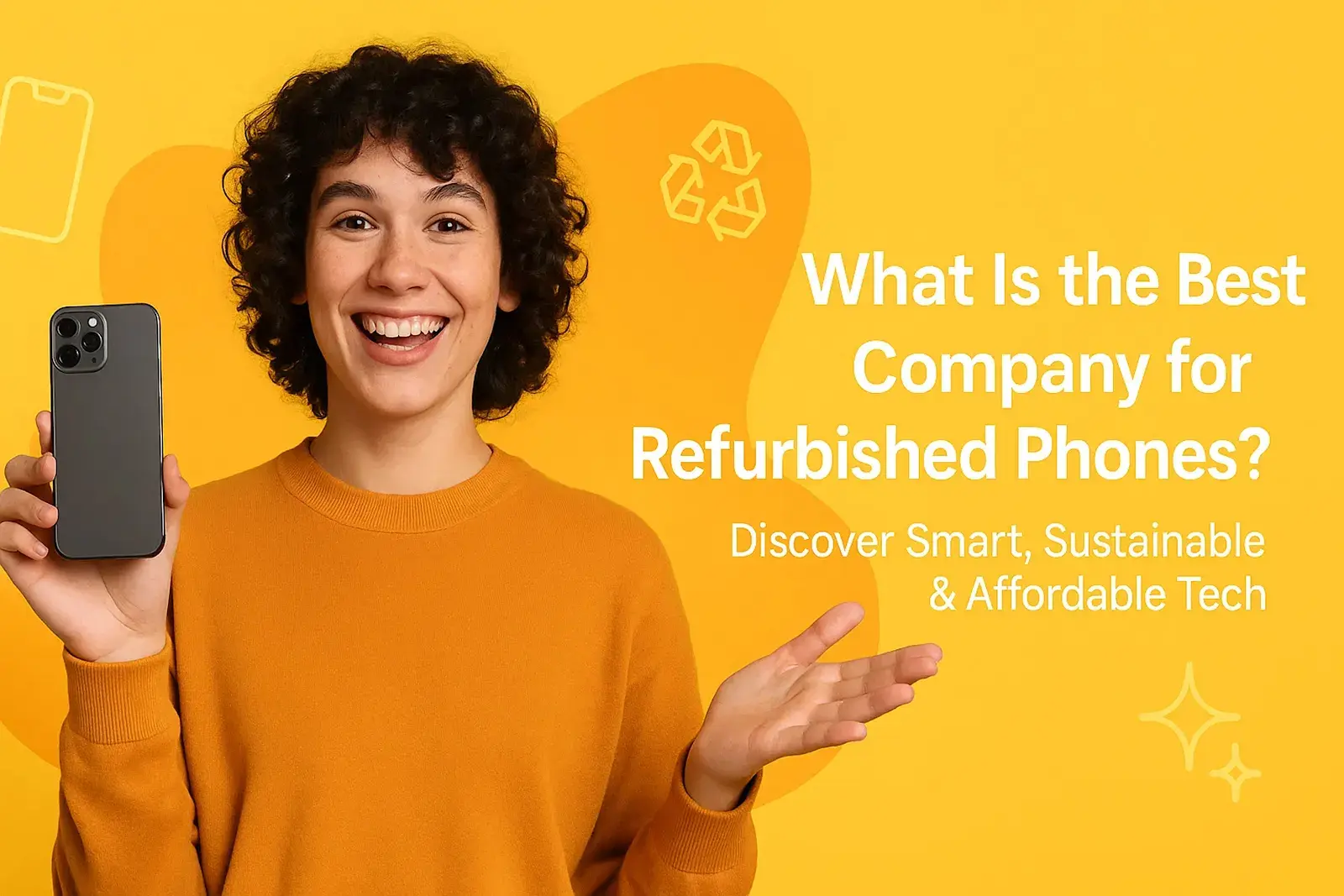
    What Is the Best Company for Refurbished Phones?

    In recent years, more Australians have started asking a simple question: why pay full price for a new phone when you can get the same experience for less? Refurbished phones have become the smarter, greener, and more budget-friendly way to stay connected without compromising on quality or performance.

    But not every refurbished phone company is created equal. The “best” company isn’t just the one offering the lowest prices, it’s the one that balances affordability with trust, transparency, and quality assurance. It’s about getting a phone that looks, feels, and functions like new, backed by genuine service and warranty support.

    One name that consistently earns the trust of Aussies looking for refurbished iPhones, Samsungs, and other devices is Mobile Guru, a local brand known for its certified refurbishing standards, honest grading, and reliable after-sales care.

    Why Refurbished Phones Are Gaining Popularity in Australia

    There’s a quiet tech revolution happening in Australia. Instead of chasing the latest release every year, many people are choosing refurbished phones not only to save money but also to make smarter, more sustainable tech choices.

    Affordability Without Compromise

    The truth is, brand-new flagship phones can cost as much as a decent laptop these days. Refurbished phones, on the other hand, offer that same premium feel and performance at a fraction of the price. Whether you’re after cheap iPhone deals, a near-new Samsung Galaxy, or a reliable Google Pixel, the refurbished market gives you more options without draining your wallet.

    The best part? A good refurbished device doesn’t feel second-hand. Top retailers ensure every phone goes through thorough testing, cleaning, and part replacements when needed  meaning you’re getting a phone that’s as smooth and dependable as one straight out of the box.

    Sustainability and Smart Tech Choices

    Beyond saving money, buying refurbished is also a conscious decision for the planet. Every refurbished phone sold means one less device ending up in landfill reducing e-waste and the environmental toll of producing new gadgets.

    Australians are becoming more eco-aware, and choosing refurbished phones is one of the simplest ways to lower your tech footprint. When you buy Certified refurbished iPhones, you’re not just getting value for money, you’re actively supporting a circular economy where devices are reused, repurposed, and kept in circulation longer.

    Quality and Certification

    Of course, none of this matters if the phone doesn’t work properly. That’s why certification is key. The best refurbished phone companies follow strict quality-control processes inspecting, testing, and grading every device to ensure it meets near-new standards.

    Each phone is cleaned, factory-reset, battery-tested, and reboxed with genuine or approved accessories. A certified refurbished iPhone or Samsung from a trusted company can deliver 100% performance reliability without the hefty price tag of a brand-new model.

    What Makes a Refurbished Phone Company the Best?

    So what separates a great refurbished retailer from the rest? It comes down to a few core factors that build long-term trust and customer satisfaction.

    • Certified Testing Standards: Reputable sellers have strict refurbishment protocols. Every device is tested for battery health, camera quality, display integrity, and internal performance.
    • Warranty and Customer Support: The best companies back their devices with solid warranty coverage because confidence in quality should always be shared with the customer.
    • Transparent Grading: Labels like “Excellent,” “Very Good,” or “Good” help buyers understand exactly what to expect before they purchase.
    • Genuine Parts and Accessories: Trusted refurbishers use original or high-quality replacement parts, ensuring your phone performs like it should.
    • Affordable Upgrade Options: Whether you’re moving up from an older iPhone or replacing a cracked screen, a good company makes upgrading easy and budget-friendly.
    • Local Shipping and Easy Returns: Australian buyers appreciate local support, quick shipping, hassle-free returns, and friendly service make all the difference.

    In short, the best refurbished phone company isn’t just selling you a device, it’s offering peace of mind.

    Meet Mobile Guru – Australia’s Trusted Refurbished Phone Company

    When it comes to ticking all the right boxes, Mobile Guru stands out as one of Australia’s most reliable destinations for refurbished tech. They’ve built a reputation on trust, consistency, and genuine customer care, something that’s become rare in today’s fast-moving phone market.

    At Mobile Guru, every device whether it’s an iPhone, Samsung Galaxy, or Google Pixel goes through a certified refurbishment process. Each phone is thoroughly tested, cleaned, and restored to peak performance before being graded and listed. Customers can choose from refurbished iPhones, Androids, and tablets, all backed by warranty coverage and local customer support.

    They also offer fast local shipping across Australia, ensuring your order arrives quickly and securely. And because the brand is committed to sustainability, every purchase contributes to reducing e-waste and promoting responsible tech recycling.

    Why Mobile Guru Stands Out Among Refurbished Phone Retailers

    What really sets Mobile Guru apart is its focus on quality and transparency. You know exactly what you’re getting  from the phone’s condition to the warranty terms before you buy.

    Customers appreciate knowing that their device has been carefully inspected, battery-tested, and restored to near-new condition. Each phone comes neatly packaged, data-wiped, and ready to go, complete with compatible accessories. Whether you’re upgrading to a newer model or hunting for cheap iPhones for the family, the buying experience feels simple, secure, and trustworthy.

    And because it’s an Australian-based company, you get that extra reassurance of local service and support no confusing overseas returns or delayed shipping. Mobile Guru truly understands what Aussie buyers value most: reliability, fair pricing, and friendly help when you need it.

    Choosing the Right Refurbished Phone Partner

    Choosing the right refurbished phone company comes down to more than price tags it’s about confidence. You want a device that works perfectly, lasts long, and comes from a seller who genuinely stands behind what they offer.

    For Australians looking to save big, stay sustainable, and still enjoy premium tech, refurbished phones are the perfect solution. And when you buy from a trusted name like Mobile Guru, you know you’re getting a certified device that’s been restored with care, tested for quality, and supported by warranty.

    So whether you’re after second hand iPhones, the latest refurbished Galaxy, or just want a cheap iPhone deal without the risks, take the smart route. Choose a company that values quality as much as you do. Choose sustainable tech. Choose confidence.

    Because when it comes to refurbished phones in Australia, Mobile Guru proves that great technology doesn’t have to come with a brand-new price tag.

    Also Read-Unselect vs Deselect: Which Term Should You Use in Tech? 🖱️💡

  • Why Your Closet Needs More Texture and Less Trend

    Why Your Closet Needs More Texture and Less Trend

    Most of us have looked at a full closet and still felt like there’s nothing to wear. It’s a common problem in an age where fashion trends change almost every month.

    The truth is, trends are designed to move fast. They create excitement, but that excitement doesn’t last. The pieces that stay in rotation, the ones you reach for over and over, usually share one thing in common — they feel good to wear. They have texture, structure, and personality. Focusing on these qualities instead of chasing what’s “in” helps you build a wardrobe that looks fresh without constant updates.

    Once you start paying attention to texture, you’ll see how easily it transforms your clothes from plain to polished.

    Understanding What Texture Means in Fashion

    Texture in fashion is all about how a fabric looks and feels. It gives clothing depth, even when the colors are simple. Texture lets you express style without relying on loud prints or logos.

    When you mix materials with different surfaces, your outfit looks more interesting. A simple cotton shirt feels elevated when paired with corduroy trousers. A linen dress gains warmth when worn with a chunky knit cardigan. These contrasts make even the most basic clothes feel styled, not just worn.

    Why Quality Always Outlasts Quantity

    Good texture often comes from good quality. Natural fibers like cotton, wool, linen, and silk hold shape better and feel more comfortable. They also last longer when cared for properly. In contrast, synthetic fabrics can look new at first but often lose texture and structure after a few washes.

    Caring for quality fabrics the right way makes a real difference. For instance, delicate pieces such as silk scarves need professional attention to stay soft and vibrant. Specialized silk scarf cleaning helps maintain their texture, shape, and natural shine — something regular washing can’t achieve. This level of care keeps your accessories looking new for years instead of months.

    When you buy fewer pieces but choose better ones, you end up saving money and space. Look for clothes that feel sturdy, with neat stitching and well-finished seams. These small details tell you more about quality than any label can. And when your clothes are made well, they age beautifully instead of wearing out quickly.

    Investing in quality means your closet grows slowly but with purpose. Every item earns its place. Over time, your wardrobe becomes a collection of textures and shapes that truly work for you.

    The Subtle Power of Mixing Materials

    Combining different fabrics adds variety without effort. Think of pairing a crisp cotton blouse with soft suede shoes or wearing a denim jacket over a silk camisole. Each texture brings balance to the other. It’s an easy way to create interest without over-accessorizing or layering too much.

    This approach works for any personal style. If you like minimal dressing, textured fabrics keep simple outfits from feeling flat. If you enjoy dressing up, a few well-chosen contrasts make your look more refined. Playing with materials helps you see your wardrobe in a new way — not as separate pieces, but as parts that work together.

    Accessories That Add Character Without Clutter

    You don’t always need new clothes to change how you dress. Accessories can do more for an outfit than people realize. A woven bag, a leather belt, or a silk scarf can add instant texture and detail. These small pieces often transform an otherwise simple outfit into something special.

    Instead of buying multiple trendy items, invest in accessories that are made well. A textured handbag or pair of shoes in neutral tones can work across seasons and styles. These pieces rarely go out of fashion and tend to last longer. Focus on versatility — one or two textured accessories can do more for your wardrobe than several new garments that follow short-lived trends.

    Building a Wardrobe That Outlasts Every Trend

    A textured wardrobe is a thoughtful one. It’s built slowly, with attention to detail and fabric quality. Start by removing clothes you never wear and keeping only what fits well and feels good. Then, focus on filling the gaps with durable materials that add depth — like denim, linen, or wool.

    When you shop, choose pieces you can mix and match across seasons. Pick fabrics that layer well, and stick to a color palette that reflects your personal taste instead of current trends. Pay attention to how each item feels, not just how it looks. Clothes that last longer reduce waste and make dressing easier. This approach supports a more sustainable way of consuming fashion, which benefits both your wardrobe and the environment.

    The idea of “more texture, less trend” isn’t about buying expensive clothes. It’s about paying attention — to fabrics, comfort, and the quality of what you wear. Texture brings variety, depth, and life to your wardrobe without constant shopping or chasing what’s popular.

    When you choose materials that feel good and care for them properly, your style naturally becomes more polished. You start relying less on fast trends and more on your own sense of what looks and feels right. A textured wardrobe tells a quiet story of care, confidence, and individuality — one that never needs updating.

    Also Read-How to Avoid Hidden Fees When Selling Your Home Quickly

  • How to Avoid Hidden Fees When Selling Your Home Quickly

    How to Avoid Hidden Fees When Selling Your Home Quickly

    Selling your home fast is appealing, but speed shouldn’t come at the cost of your bottom line. Many sellers discover late-stage deductions on their settlement statements and wonder where their profits went. Hidden fees are common pitfalls in real estate, but with a proactive, research-driven approach, you can sell your property quickly and keep more cash in your pocket. Whether you’re downsizing, moving out of state, or cashing in equity, understanding the sources of common costs is essential. For those in the Redlands area seeking a seamless, hassle-free sale, consider resources like https://www.bluewavehomebuyers.com/we-buy-houses-fast-redlands/ for professional assistance.

    Let’s break down the fees that chip away at your profits and how to address each proactively. By identifying these expenses early, you can set clearer expectations and devise strategies to minimize them. Selling your home doesn’t have to be fraught with financial surprises; it’s possible to maintain control and transparency at every turn.

    Understand Real Estate Agent Commissions

    Agent commissions are often the most visible expense when selling your home. They’re typically 5% to 6% of the sale price and split between the buyer’s and seller’s agents. However, you aren’t bound to a set rate. Research local norms, interview multiple agents, and don’t hesitate to negotiate. Some brokerages offer lower flat-rate or à la carte options for experienced sellers. Having transparency on commission structures allows you to compare real value with cost, ensuring you don’t pay more than necessary.

    Be Aware of Closing Costs

    Closing costs can total between 2% and 4% of your home’s sale price after fees, taxes, title insurance, and escrow charges. These can sneak up quickly if you haven’t received a detailed summary before entering escrow. Compare estimates from title companies, ask your agent to clarify ambiguous charges, and negotiate any redundant or excessive fees. Getting estimates for every line item in advance can help you budget accurately and avoid last-minute stress.

    Prepare for Pre-Listing Expenses

    To sell fast, your home must make a good first impression. This could involve professional cleaning, minor repairs, fresh landscaping, or cosmetic updates, such as new paint or fixtures. Many sellers spend between $500 and $3,000, but returns vary. Focus on essentials — buyers prioritize functional kitchens, bathrooms, and curb appeal.

    Consider Staging and Marketing Costs

    Professional staging and real estate photography boost your listing’s appeal, but costs can escalate. Staging may cost $750 to $2,000 for just a few rooms, while high-quality images typically range from $150 to $500 per session. For sellers looking to minimize expenses and streamline the selling process, companies like Blue Wave Investments – CA offer convenient solutions that eliminate the need for costly staging or photography. Instead, consider decluttering and using borrowed or rented furnishings. Many real estate photographers will negotiate rates, especially if they’re building their portfolio. If you plan to sell regularly or own an investment property, forming long-term relationships with local vendors can yield additional discounts.

    Account for Moving Expenses

    The cost of moving is sometimes overlooked until the last minute. Set aside funds for movers, trucks, supplies, and potential storage—especially if you’re downsizing or relocating for work. Getting multiple quotes from professional movers or exploring budget-friendly “you pack/we move” services helps keep costs transparent. Schedule your move during the off-season or on weekdays for discounts, and lighten your load by donating, selling, or recycling items you no longer need.

    Stay Informed About Legal and Administrative Fees

    Legal fees for closing, contract drafting, and paperwork processing can vary widely, depending on the complexity and location of your sale. Flat-fee attorneys or transaction coordinators are increasingly common alternatives to full-service representation. Further, if your home has risen significantly in value, you may face capital gains taxes. Consulting a qualified tax professional before listing your property ensures you’re prepared and aren’t caught off guard after closing.

    Monitor Utility and Maintenance Costs

    You remain responsible for utilities, insurance, and lawn or pool care until the property is sold. A vacant home can quickly attract costly maintenance surprises, including leaks, pests, or security issues. Coordinate with your agent for routine walk-throughs while the property is listed, and minimize non-essential services. Smart thermostats or timers can help keep costs down while showcasing the home to buyers.

    Negotiate Buyer Concessions Wisely

    Many buyers expect some concessions in a competitive market. Common requests include seller-paid closing costs, repair credits, or appliance upgrades. Set clear limits in advance and weigh whether concessions are offset by a quicker or more certain close. An experienced agent can help quantify these trade-offs. Remember, concessions should streamline the transaction—never erode your profit without strategic benefit.

    By understanding the price tags attached to every stage of the home sale process, you safeguard your equity and move forward without budget-blowing surprises. Maintain documentation of all expenditures, seek competitive bids from service providers, and regularly review your transaction summary as you progress toward closing. For more in-depth tips tailored to your region or situation, reputable real estate sites and local investment companies are valuable resources.

    Also Read–Innovative Approaches in Tailored Therapy Programs for Optimal Well-being

  • Why Custom Merchandise Is Becoming Essential for Australian Businesses

    Why Custom Merchandise Is Becoming Essential for Australian Businesses

    Over the past few years, custom merchandise has shifted from a simple marketing extra to a strategic cornerstone for businesses of every size. Especially here in Australia, where competition among businesses is much more intense. As 2026 comes closer, a combination of emerging trends, cultural changes, and economic pressures is cementing custom merchandise as an indispensable part of the Australian business landscape.

    A Shift Toward Tangible Brand Experiences

    Australia is a digitally savvy nation. Yet, paradoxically, this digital saturation is exactly why physical branded products are gaining so much value. With consumers bombarded by online ads, sponsored posts, and algorithm-driven content, physical items create a refreshing and memorable brand experience.

    A high-quality custom product whether custom coffee mugs, branded notebook, or customised apparel—provides a tactile interaction that digital media simply cannot replicate. When Australians receive a branded item they actually want to keep and use, they are reminded of that brand repeatedly in everyday moments. This type of passive, long-term exposure is complicated to achieve solely through digital channels.

    The Rise of Eco-Conscious Consumer Behaviour

    Sustainability has become a central priority for both Australian consumers and organisations. From large corporations down to local community groups, environmental impact is now a key decision-making factor. As a result, businesses are choosing custom merchandise not only for brand visibility but as a way to demonstrate their commitment to environmental responsibility.

    The increasing demand for eco-friendly products—such as bamboo drinkware, recycled cotton tote bags, and biodegradable pens—has shifted the entire promotional products industry. Today’s buyers are more informed and more discerning. Choosing sustainable merchandise has become an important part of a company’s brand ethos, helping to build trust with environmentally conscious customers, employees, and partners.

    Supporting Hybrid Work and Employee Engagement

    The shift to hybrid and remote work across Australia has redefined how companies support and connect with their staff. Many businesses now rely on custom merchandise to foster engagement, reinforce culture, and create a sense of belonging among dispersed teams.

    Branded onboarding kits, custom apparel for virtual meetings, personalised stationery, and employee milestone gifts have become standard practice. These items help workers feel valued and connected—even when they’re not physically present in the office.

    For businesses striving to maintain morale and teamwork across hybrid environments, custom merchandise is an effective and relatively inexpensive solution.

    Strengthening Brand Recognition in Competitive Markets

    In industries such as technology, hospitality, education, and professional services—where many offerings appear similar at first glance—brand recognition becomes a powerful differentiator. Custom merchandise supports brand recall by making the brand visible in physical spaces, such as offices, universities, shopping centres, public transportation, gyms, and community events.

    For small and medium-sized businesses, especially, the ability to compete on perception and visibility is invaluable. Branded promotional products provide a level playing field, allowing smaller organisations to showcase their brand in the same public spaces as large corporations.

    Looking Ahead

    In 2025, custom merchandise has evolved into a vital part of the Australian business toolkit—not only for marketing, but also for strengthening culture, improving communication, supporting sustainability goals, and engaging with local communities. As Australians place a greater emphasis on authenticity and environmentally conscious choices, the brands that embrace thoughtful, premium-quality merchandise are the ones that rise above the competition.

    These tangible products create meaningful, real-world touchpoints at a time when digital interactions are increasingly dominant. For businesses across Australia, the takeaway is unmistakable: custom merchandise is no longer a “nice-to-have.” It’s a deliberate, long-term investment in building stronger brand connections.

    Also Read-Modern Strategies for Large-Scale SEO

  • Step-by-Step Guide to Mastering BF6 Bot Lobby and Winning Every Time

    Step-by-Step Guide to Mastering BF6 Bot Lobby and Winning Every Time

    The bf6 bot lobby is a game mode in Battlefield 6 that allows players to face off against AI opponents rather than human players. This mode is designed to provide a safe and controlled environment for learning the mechanics of the game, testing strategies, and refining skills. Unlike regular multiplayer matches, bot lobbies let you practice without the pressure of competing against experienced players, making them perfect for beginners and intermediate gamers alike.

    Why You Should Use Bot Lobbies

    Bf6 bot lobby are more than just an easy way to earn kills—they’re a strategic tool for improvement. Players can experiment with new weapons, test gadgets, and practice movement patterns in a low-pressure environment. This repetitive practice helps in building muscle memory and refining tactics, ensuring that when you enter real multiplayer matches, your skills are sharper and your gameplay more confident.

    Choosing the Right Difficulty

    One of the first steps to mastering the bot lobby is selecting the correct difficulty level. Bots come in different skill levels, ranging from easy to hard. Beginners should start with easier bots to get accustomed to controls and aiming, while advanced players can choose higher difficulty settings for a challenging experience. Gradually increasing difficulty ensures consistent improvement while preventing frustration.

    Optimizing Your Loadouts

    Bot lobbies are ideal for testing different weapons and equipment setups. You can try out assault rifles, sniper rifles, shotguns, and other weapons to see what fits your playstyle. Additionally, experimenting with attachments, grenades, and gadgets allows you to understand their impact on gameplay. By the time you enter a real multiplayer match, you will have a clear idea of which loadouts give you the best advantage.

    Practicing Movement and Positioning

    Movement is a critical component of Battlefield 6. Learning how to sprint, crouch, vault, and take cover efficiently can significantly impact your performance. In a bot lobby, you can practice these mechanics repeatedly without the stress of human opponents. Understanding map layouts and positioning yourself strategically also becomes easier when practicing in a controlled setting.

    Mastering Aim and Recoil Control

    Accuracy is often the difference between winning and losing a firefight. Bot lobbies provide a perfect environment for perfecting your aim. You can work on headshots, tracking moving targets, and controlling weapon recoil. Repeated practice ensures that when you face human players, your shots are precise and your reaction time is faster, giving you a distinct advantage in combat.

    Experimenting With Tactical Approaches

    The Bf6 bot lobby is not only for mechanical skills but also for refining tactical thinking. You can practice flanking enemies, defending objectives, and coordinating attacks in different scenarios. By experimenting with strategies against AI, you learn what works best in specific situations, which translates into smarter and more efficient decision-making during real matches.

    Learning Map Layouts and Hotspots

    Knowledge of map layouts is essential for success in Battlefield 6. Bot lobbies give you the freedom to explore maps at your own pace, identify choke points, and learn the locations of objectives. By understanding where enemies are likely to appear and where cover is available, you can plan your movements and anticipate enemy actions, giving you a strategic edge in multiplayer gameplay.

    Building Confidence Through Practice

    Facing human opponents can be intimidating, especially for newer players. Bot lobbies provide a low-pressure environment to build confidence. Repeatedly completing objectives, defeating bots, and mastering new tactics boosts self-assurance. This confidence translates into better decision-making and calmer gameplay when entering competitive matches.

    Customizing Practice Sessions

    Bot lobbies allow for full customization of practice sessions. You can adjust bot numbers, difficulty, and even specific mission types. This flexibility ensures that training remains engaging and effective. Players can focus on areas where they feel weak, whether it’s aiming, movement, or tactical execution, without wasting time on irrelevant practice.

    Incorporating Vehicles and Gadgets

    Battlefield 6 features a wide array of vehicles and gadgets, which can be overwhelming for new players. Bot lobbies give you the opportunity to familiarize yourself with tanks, helicopters, and other vehicles in a controlled environment. Similarly, you can practice using grenades, explosives, and other gadgets to understand their range, timing, and effectiveness before applying them in multiplayer matches.

    Improving Reflexes and Reaction Time

    Reacting quickly to threats is crucial in Battlefield 6. Bot lobbies allow you to practice scenarios that improve reflexes, such as sudden enemy encounters or ambush situations. Repeated exposure to these scenarios helps your brain recognize patterns faster and react more instinctively during real combat, giving you a competitive edge.

    Tracking Progress and Setting Goals

    To master the bot lobby effectively, it’s important to track your progress. Set specific goals for each session, such as improving headshot percentage, completing objectives faster, or testing a new weapon. By measuring improvements over time, you maintain motivation and ensure that your practice sessions are productive.

    Transitioning From Bot Lobbies to Multiplayer

    While bot lobbies are excellent for practice, the ultimate goal is to succeed in multiplayer matches. Once you feel confident in your mechanics, tactics, and map knowledge, start applying these skills in real matches. The experience gained in bot lobbies translates directly into better decision-making, quicker reflexes, and smarter gameplay against human opponents.

    Reducing Frustration and Enhancing Enjoyment

    Bot lobbies are not just for skill improvement—they also make learning the game enjoyable. By practicing in a stress-free environment, players reduce frustration and burnout, which often comes from losing repeatedly in multiplayer matches. This positive approach keeps players engaged while steadily improving their abilities.

    Preparing for Competitive Play

    For those aiming to compete at higher levels, bot lobbies are an indispensable tool. Practicing in a controlled environment allows you to refine every aspect of gameplay—from aiming and movement to strategy and team coordination. Consistent practice ensures that when entering competitive matches, you are prepared, confident, and capable of performing at your best.

    Conclusion

    Mastering the bf6 bot lobby is a step-by-step process that combines practice, experimentation, and strategic thinking. From improving aim and movement to learning maps, testing loadouts, and refining tactics, bot lobbies provide a complete training ground for players of all skill levels. By dedicating time to structured practice sessions, you can build confidence, enhance reflexes, and prepare effectively for competitive multiplayer matches.

    Also Read–Unselect vs Deselect: Which Term Should You Use in Tech? 🖱️💡

  • The Micro-Economy of Nostalgia: When Digital Assets Emulate Obsolete Physical Goods?

    The Micro-Economy of Nostalgia: When Digital Assets Emulate Obsolete Physical Goods?

    The value of an object is rarely purely functional. For decades, the true market value of items like vinyl records, film cameras, and vintage arcade cabinets has been driven by nostalgia—a bittersweet longing for the past. Now, this emotional currency is being digitized and tokenized, giving rise to the “Micro-Economy of Nostalgia.” This new market is focused on creating and trading digital assets that meticulously emulate obsolete physical goods, complete with their imperfections, scarcity, and the emotional resonance they carry.

    The Perfect Imperfection of Digital Assets

    The emotional value in nostalgic digital assets is directly tied to the level of detail and authenticity in their emulation of physical imperfections.

    Digital asset creators must focus on these subtle flaws to maximize nostalgic appeal:

    • Simulated Wear and Tear: Adding digital scratches, scuffs, or faded color layers that mimic the effects of time on physical objects.
    • Aesthetic Inaccuracy: Replicating the distinct, non-standard color cast or lens flare produced by vintage film cameras.
    • Artifact Replication: Digitally including the subtle grain, hiss, or static that characterized analog media like vinyl or VHS tapes.
    • Historical Context: Embedding metadata that links the asset to a specific, culturally relevant time period or event.

    This meticulous attention to “imperfection” is what differentiates a valuable nostalgic asset from a generic digital model.

    Scarcity in a World of Unlimited Copies

    Nostalgia thrives on scarcity. In the physical world, a 1980s collectible is rare because few survived. In the digital realm, scarcity must be artificially imposed through tokenization. By issuing a limited number of unique digital representations (NFTs) of a vintage item, creators can replicate the sense of exclusivity that drives collector desire, thus creating a stable micro-economy.

    From Collector’s Shelf to Digital Wallet

    The digital market for nostalgic assets is not just about ownership; it’s about showcasing identity and participating in a shared cultural memory within virtual spaces.

    Owning a rare digital asset (e.g., a virtual first-edition comic book) allows for high-status social signaling within the metaverse or digital communities. It tells a story about the owner’s tastes, history, and financial capacity. The digital wallet has become the new collector’s shelf.

    The Bridge Between Physical and Virtual

    This micro-economy is creating compelling bridges between the physical and virtual. A buyer of a virtual asset might receive a small, token physical memento to validate the purchase, or the digital asset might unlock special features in a connected physical experience. The value is now fluid, moving back and forth across the reality divide.

    The excitement surrounding the acquisition of rare or high-value digital assets is closely tied to the human desire for reward and validation. This is particularly evident in digital environments where a clear, low-risk entry point can lead to high-impact outcomes. For many, the thrill of receiving something of value without an initial large outlay is a powerful draw.

    This is why promotional structures, such as the ice casino no deposit bonus 2025, resonate strongly with consumers of all digital assets. It offers a tangible reward and a low-barrier-to-entry experience, allowing users to engage immediately and appreciate the value on offer. This foundational principle—that high-value digital experiences should be accessible and rewarding from the start—is key to sustaining engagement in the micro-economy of nostalgia, driving users to explore and invest in assets that offer emotional or financial returns.

    Sustaining the Nostalgia Engine

    For the micro-economy to thrive beyond a momentary trend, it requires continuous innovation and a focus on authentic historical curation.

    Curation and Historical Accuracy

    Creators must act as digital archivists, ensuring the assets are historically accurate and culturally relevant. Fictional nostalgia or poorly executed emulation will fail. The market rewards assets that feel genuinely rooted in a shared, verifiable past.

    Interoperability and Utility

    The digital assets cannot exist in isolation. Their value is amplified when they are interoperable, meaning they can be displayed and utilized across multiple platforms, games, and metaverses. A virtual arcade cabinet should function and be usable by others in a virtual meeting space, increasing its utility beyond simple display.

    To ensure the long-term relevance and liquidity of nostalgic digital assets, creators must prioritize broad utility across various platforms and digital spaces.

    Key avenues for maximizing the utility and interoperability of nostalgic assets:

    • Metaverse Display Rights: Allowing the asset to be seamlessly rendered and displayed within multiple major virtual worlds (e.g., Decentraland, Sandbox, or private VR spaces).
    • Gaming Integration: Using the asset as a functional skin, tool, or collectible item within connected blockchain games.
    • Virtual Identity/Avatar Use: Integrating the asset as a wearable or customizable feature for a user’s digital avatar.
    • Cross-Chain Compatibility: Ensuring the tokenized asset can be easily bridged or transferred between different blockchain networks (e.g., Ethereum, Polygon).

    By focusing on utility, the digital asset becomes more than just a picture; it becomes an active element of the owner’s digital identity.

    The Micro-Economy of Nostalgia is a testament to the enduring power of memory and the human need for connection to the past. By digitizing the ephemeral, it creates a new, accessible, and tradable form of emotional value, ensuring that “obsolete” physical goods live on forever in the digital realm.