Blog

  • What If Your Cravings Aren’t About Food at All?

    What If Your Cravings Aren’t About Food at All?

    We often assume cravings are only about hunger. But what if those sudden urges for chocolate, chips, or cookies are trying to tell you something entirely different?

    Cravings can be signals from your body and mind, signalling emotional stress, fatigue, dehydration, or even habitual patterns. Understanding the hidden reasons behind these urges can push towards the right steps for your well-being.

    What Your Cravings Signify?

    If you often end up eating something every time you crave, it’s time you look at it consciously. It may indicate:

    Emotional Cravings

    Many cravings are emotional rather than physical. If you are stressed, bored, anxious, or even excited, it can make you reach for food. Foods high in sugar or fat temporarily boost dopamine, and offer temporary comfort. Instead of immediately eating, try:

    • Pen down your thoughts
    • Taking a short walk
    • Chatting with a friend

    Recognising the emotional origin of a craving can help you address the root cause without food.

    Fatigue and Sleep Deprivation

    Most of you may overlook your sleep schedule but it affects hunger hormones, making your body feel hungrier than it actually is. Moreover, if your body is fatigued, it also develops sugar cravings for quick energy. Before reaching for a snack, consider:

    • Taking a short nap or resting
    • Drinking water or a herbal tea
    • Engaging in light movement to boost energy

    If you feel fatigued, take liquid carnitine. It can be a good option for you as it supports your stamina and endurance to stay active and healthy all day.

    Habitual Cravings

    Not all cravings reflect need. Sometimes,they are just your habits. Reaching for snacks after dinner or while watching TV may be automatic rather than genuine hunger. To break the cycle, try:

    • Replacing the habit with a new routine, like tea or a walk
    • Brushing your teeth after meals to signal the end of eating
    • Mindfully noting when and why cravings appear

    Nutritional Gaps

    Occasionally, cravings are a signal that your body needs nutrients. Low protein, iron, or unstable blood sugar can drive you toward quick-energy foods. You can avoid it by including balanced meals with vegetables, protein, and healthy fats and reduce these urges.

    If you want to gain healthy weight, nutrient-rich options like banana, oats, and weight gainer can provide energy without munching on unhealthy snacks.

    To Close

    When your body craves something, these are rarely about weakness, these are subtle signals. They can indicate stress, fatigue, dehydration, nutrient needs, or habitual triggers.

    Figuring out the exact reasons behind your cravings can help you satisfy your needs more effectively. Resting, hydrating, seeking emotional comfort, and taking proper nutrition can help you improve your well-being and feel good about your body.

    Also Read-Unselect vs Deselect: Which Term Should You Use in Tech? 🖱️💡

  • Why Choosing a Trusted GP Clinic Matters for Your Health

    Why Choosing a Trusted GP Clinic Matters for Your Health

    Most people don’t think much about their GP clinic when everything feels fine. It’s only when something goes wrong—a lingering cough, unexplained fatigue, a sudden concern—that the importance of having the right clinic becomes clear. In those moments, trust matters more than convenience.

    Choosing a trusted GP clinic isn’t just about location or appointment availability. It’s about building an ongoing relationship with healthcare professionals who understand your history, listen carefully, and help you make informed decisions about your health—both now and in the future.

    Trust Turns Appointments Into Real Care

    A GP appointment should never feel rushed or dismissive. When patients trust their clinic, they’re more likely to speak openly about symptoms, lifestyle habits, and concerns they might otherwise downplay.

    This openness makes a real difference. A doctor who knows your background can spot patterns earlier, ask better questions, and offer guidance that fits your life—not just your symptoms. Over time, this leads to more accurate diagnoses and more effective treatment plans.

    It’s similar to working with a trusted professional in other areas of life. A long-term accountant understands your financial goals better than someone new. A regular mechanic notices subtle changes in your car. In healthcare, that continuity is even more valuable.

    Consistency Supports Better Long-Term Health

    Health isn’t managed in single appointments—it’s managed over time.

    A trusted GP clinic keeps consistent records, tracks changes, and follows up when needed. This continuity helps manage chronic conditions, monitor risk factors, and catch issues early.

    This approach aligns with the principles of primary care, where ongoing relationships between patients and doctors lead to better health outcomes, fewer hospital visits, and improved quality of life.

    Without that consistency, care can become fragmented. Patients repeat their history, miss follow-ups, or receive advice that doesn’t consider the full picture. A trusted clinic acts as a central point of care, helping everything stay connected.

    Prevention Is Easier With the Right Support

    Many serious health issues don’t start suddenly—they develop quietly over time. High blood pressure, skin concerns, and metabolic conditions often show subtle signs long before they become serious.

    A trusted GP clinic encourages preventive care rather than just reactive treatment. Regular check-ups, screenings, and conversations about lifestyle help patients stay ahead of potential problems rather than responding to them later.

    This proactive mindset reduces stress. Instead of worrying about “what if,” patients feel supported by a clear plan and professional guidance.

    If you’re looking for consistent, patient-focused care, exploring a trusted GP clinic on the Gold Coast can help you understand how long-term medical support is designed to work in practice.

    Clear Communication Builds Confidence

    One of the biggest sources of anxiety in healthcare is uncertainty. Medical terms, test results, and treatment options can feel overwhelming—especially when they’re not explained clearly.

    Trusted GP clinics prioritize communication. They take time to explain what’s happening, why certain tests are recommended, and what the next steps look like. Patients leave appointments feeling informed, not confused.

    This clarity empowers people to take an active role in their health. When patients understand their options, they’re more likely to follow treatment plans and make healthier choices.

    Clear communication is a standard in many industries because it builds trust. Healthcare is no exception.

    A Clinic That Grows With You

    Life changes—and so do health needs. Young adults, families, and older patients all require different types of care over time.

    A trusted GP clinic adapts to these changes. It becomes a familiar place patients can return to at different life stages, without having to start from scratch each time. That familiarity reduces stress during already challenging moments.

    Whether it’s managing work-life balance, family responsibilities, or long-term wellbeing, having a reliable medical partner makes navigating change easier.

    Peace of Mind Is Part of Good Healthcare

    Perhaps the most underrated benefit of choosing a trusted GP clinic is the peace of mind it offers.

    Knowing where to go, who to call, and what to expect removes uncertainty from stressful situations. Patients don’t delay care out of hesitation or confusion—they act sooner, with confidence.

    In a busy world where health is often pushed aside, trust creates a safety net. It turns healthcare into something supportive rather than intimidating.

    A Simple Choice With Lasting Impact

    Choosing a trusted GP clinic may seem like a small decision, but its impact lasts for years. It influences how comfortable you feel seeking care, how proactive you are about prevention, and how supported you feel when it matters most.

    Good health isn’t built in emergencies—it’s built through consistent, thoughtful care over time. And that starts with choosing a clinic you can truly trust.

    Read more: What Property Owners Should Know Before Starting a Renovation Project

    How Residential Construction Specialists Bring Quality and Confidence to Home Projects

    Why Universities Are Adopting Email Signature Tools for Consistent Communication

  • What Property Owners Should Know Before Starting a Renovation Project

    What Property Owners Should Know Before Starting a Renovation Project

    Starting a renovation project is exciting. It’s the moment when ideas turn into plans and “what if” becomes “what’s next.” But whether you’re updating a home, refitting a commercial space, or preparing a property for a new tenant, renovations can also feel overwhelming if you don’t know what to expect.

    Many renovation problems don’t come from bad design or poor materials—they come from skipping important preparation steps. Understanding what happens before the first hammer swings can save time, money, and stress later on.

    Start With the End in Mind (Before Anything Gets Demolished)

    One of the biggest mistakes property owners make is jumping straight into construction without fully defining the goal.

    Before work begins, ask yourself a few practical questions:

    • What is this space going to be used for after renovation?
    • Who will use it daily?
    • How long will this project take before another upgrade?

    These questions apply across industries. Retail stores redesign layouts to improve customer flow. Offices are renovated to support collaboration. Homeowners renovate to improve comfort or resale value. When the end use is clear, every decision becomes easier.

    It’s also important to understand the property’s current condition. Older buildings may hide outdated wiring, plumbing issues, or structural changes made years ago. Knowing what you’re working with helps avoid surprises once walls and ceilings start coming down.

    Preparation Is the Quiet Hero of Renovation Success

    Renovations rarely fail because of the final finishes. They fail because the groundwork wasn’t done properly.

    Preparation includes safely clearing the space, identifying what needs to be removed, and ensuring the site is ready for builders to work efficiently. This stage is similar to preparing land before planting crops—healthy results depend on how well the ground is prepared.

    In commercial projects, especially, proper preparation helps minimise downtime. Businesses that renovate without proper planning often experience longer-than-expected closures, impacting revenue and customer trust.

    This is also where safety and compliance come into play. Removing old fixtures, walls, or fittings can expose electrical systems, load-bearing elements, or hazardous materials. Handling these properly protects everyone involved.

    For a broader understanding of how renovation projects typically progress, resources that explain the concept of renovation can help illustrate why preparation stages are so critical.

    Budgeting for the “Unseen” Parts of Renovation

    Most people budget for visible changes—new floors, fresh paint, modern fixtures. Fewer people budget properly for what happens behind the scenes.

    Unseen costs often include:

    • Removing old materials safely
    • Waste disposal and recycling
    • Temporary supports or protection for remaining structures
    • Fixing issues discovered once walls or floors are opened

    In industries such as manufacturing and software development, contingency planning is standard practice. Renovations benefit from the same mindset. Allowing for unexpected findings in the budget reduces panic and rushed decisions later.

    A clear scope of work also helps contractors provide more accurate timelines and pricing, which keeps projects on track.

    Why Timing and Coordination Matter

    Renovation projects involve multiple trades—builders, electricians, plumbers, and inspectors. Poor coordination can cause delays that ripple through the entire schedule.

    For example, if a space isn’t properly cleared before builders arrive, work stops while additional removal is organised. This downtime costs money and pushes back completion dates.

    That’s why many property owners explore trusted resources like this website midway through planning—to better understand how professional site preparation fits into the renovation timeline before committing to construction schedules.

    Clear sequencing ensures each phase starts on time and finishes cleanly, reducing stress for everyone involved.

    Think About Neighbours, Tenants, and Surroundings

    Renovations don’t happen in isolation. Noise, dust, vibration, and access restrictions affect neighbours, tenants, and nearby businesses.

    Good planning includes:

    • Scheduling noisy work during appropriate hours
    • Managing dust and debris responsibly
    • Communicating timelines clearly

    In urban developments, this consideration is especially important. Construction projects that ignore their surroundings often face complaints, fines, or forced stoppages.

    Across industries, stakeholder communication is a core principle of successful projects. Renovation is no different.

    Flexibility Is Just as Important as Planning

    Even the best-planned renovation can encounter surprises. Materials behave differently once exposed. Old buildings don’t always match original plans. Weather, supply delays, or inspections can change timelines.

    Successful property owners approach renovations with flexibility. They plan carefully—but they also allow room to adapt without derailing the project.

    This mindset mirrors how businesses handle change management. Plans provide direction, but adaptability keeps progress moving when conditions shift.

    Final Thoughts: Renovation Is More Than a Build

    Renovating a property isn’t just about upgrading a space—it’s about making informed decisions before work begins.

    Understanding the property’s condition, preparing the site properly, budgeting realistically, and coordinating trades all play a role in how smooth the project feels from start to finish.

    When preparation is done right, construction becomes simpler, safer, and more predictable. And when surprises do arise, they’re manageable rather than overwhelming.

    In renovation, the smartest moves often happen before anything is built.

    Read more: How Residential Construction Specialists Bring Quality and Confidence to Home Projects

    Why Universities Are Adopting Email Signature Tools for Consistent Communication

    From Shower Shelves to Ice Buckets — Stickers That Actually Stick!

  • How Residential Construction Specialists Bring Quality and Confidence to Home Projects

    How Residential Construction Specialists Bring Quality and Confidence to Home Projects

    Building or renovating a home is one of the biggest decisions most people will ever make. It’s not just about bricks, timber, and finishes—it’s about creating a place where life happens. Family dinners, quiet mornings, milestones, and memories all live within those walls. That’s why confidence matters so much throughout the building journey.

    Residential construction specialists play a key role in turning what can feel like an overwhelming process into one that feels structured, manageable, and reassuring. Their experience doesn’t just influence how a home looks—it affects how smoothly the project runs, how problems are handled, and how confident homeowners feel from start to finish.

    Experience That Turns Plans into Reality

    At the heart of residential construction is experience. Specialists understand how homes are actually built—not just on paper, but in real conditions with real constraints. They know how designs translate to physical spaces, how materials behave over time, and how different trades fit together to deliver a finished result.

    This is similar to working with a skilled chef rather than following a recipe for the first time. Both might use the same ingredients, but experience makes a noticeable difference in timing, balance, and final quality. In construction, that experience helps avoid common pitfalls like layout inefficiencies, poor material choices, or costly rework.

    Residential construction specialists are also familiar with local conditions, regulations, and standards. From soil types to council requirements, this knowledge allows them to anticipate issues early rather than reacting to them later. That foresight saves time, money, and stress for homeowners.

    Most importantly, specialists understand that no two homes—and no two families—are the same. Their role is to adapt expertise to individual needs, rather than forcing clients into one-size-fits-all solutions.

    Clear Communication Builds Confidence

    One of the biggest sources of stress in home projects isn’t the construction itself—it’s uncertainty. Not knowing what’s happening, what comes next, or how decisions will affect the outcome can make even small issues feel overwhelming.

    Residential construction specialists help reduce this stress through clear, consistent communication. They explain processes in plain language, outline timelines realistically, and help homeowners understand trade-offs without jargon or pressure.

    Think about other industries where trust is essential, such as healthcare or financial planning. Confidence grows when professionals take the time to listen, explain options, and guide decisions thoughtfully. Home building works the same way.

    Good communication also helps manage expectations. Weather delays, material availability, or design changes can happen in any project. When homeowners understand what’s normal—and how challenges are handled—they’re far less likely to feel anxious or caught off guard.

    According to principles of construction management, transparent planning and communication are key factors in delivering successful projects. Specialists apply these principles daily, turning complex processes into clear, achievable steps.

    Quality Comes from Process, Not Just Materials

    Quality in residential construction isn’t just about premium finishes or high-end fixtures. While materials matter, true quality comes from process—how a project is planned, managed, and executed from start to finish.

    Specialists focus on details that aren’t always visible once the home is complete. Structural integrity, moisture management, insulation, and ventilation all affect how a home performs over time. These elements influence comfort, energy efficiency, and maintenance costs long after move-in day.

    This is similar to manufacturing or engineering. A product that looks great but fails under pressure isn’t truly well made. Homes are no different. Behind-the-scenes decisions often have the biggest impact on long-term satisfaction.

    In the middle to later stages of planning, many homeowners explore guidance and insights from residential construction specialists to better understand how quality-focused processes contribute to smoother builds and more reliable outcomes.

    Another aspect of quality is coordination. Residential projects involve many moving parts—designers, trades, suppliers, and inspectors. Specialists act as the central point that keeps everything aligned. When coordination is strong, work flows efficiently and mistakes are far less likely.

    Confidence Through Problem-Solving and Support

    No construction project is completely free of challenges. What separates a stressful experience from a positive one is how those challenges are handled.

    Residential construction specialists bring confidence through calm, structured problem-solving. When issues arise, they assess options, explain implications, and recommend practical solutions. This approach helps homeowners feel supported rather than burdened by decisions they may not fully understand.

    It’s much like working with an experienced IT support team or project consultant. You don’t need to know every technical detail—you just need to trust that the right steps are being taken and that your interests are being considered.

    Specialists also help homeowners stay focused on what truly matters. It’s easy to get caught up in minor details or compare your project to others. Having a steady guide helps keep decisions aligned with your original goals, budget, and lifestyle needs.

    Over time, this support builds confidence not just in the process, but in the final result. Homeowners can move forward knowing their home has been built with care, competence, and long-term performance in mind.

    Final Thoughts

    Residential construction specialists bring more than technical skills to home projects—they bring reassurance, clarity, and trust. Their experience helps turn ideas into practical designs, manage complexity with confidence, and deliver quality that lasts well beyond completion.

    When homeowners feel informed, supported, and understood, the building journey becomes far less intimidating. Instead of feeling like a series of stressful decisions, it becomes a collaborative process focused on creating a home that truly works.

    With the right specialists guiding the way, quality isn’t just something you see—it’s something you feel, from the first conversation to the moment you walk through the front door and know you made the right choice.

    Read more: Why Universities Are Adopting Email Signature Tools for Consistent Communication

    From Shower Shelves to Ice Buckets — Stickers That Actually Stick!

    Merging Industrial Hinges and Locks for Maximum Equipment Safety

  • Why Universities Are Adopting Email Signature Tools for Consistent Communication

    Why Universities Are Adopting Email Signature Tools for Consistent Communication

    Universities are busy ecosystems. On any given day, thousands of emails move between faculty, administrators, students, researchers, alumni, and external partners. These messages range from lecture updates and enrollment notices to grant communications and official announcements.

    With so much happening, consistency can easily slip through the cracks—especially in something as small as an email signature. Yet more universities are realizing that this “small detail” plays a surprisingly big role in how their institution is perceived.

    Email signature tools are increasingly being adopted to bring clarity, consistency, and professionalism to campus-wide communication. And the reasons go far beyond aesthetics.

    The Communication Challenge on Modern Campuses

    Universities are not single, unified teams. They’re collections of departments, faculties, research groups, and administrative units—each with its own priorities and communication style.

    In many institutions, email signatures are left entirely up to individuals. A professor might include their credentials and office hours. A department admin might use a logo. A researcher might forget a phone number altogether. Over time, this creates a patchwork of styles and information.

    For students and external contacts, this inconsistency can be confusing. Who is the official contact? Is this email legitimate? How do I follow up? These small moments of uncertainty add friction to communication that should be clear and supportive.

    Universities are built on trust and credibility. Even subtle inconsistencies can undermine that trust—especially when messages involve deadlines, policies, or official decisions.

    Why Consistency Matters More in Education Than Most Industries

    In higher education, communication isn’t just transactional—it’s instructional, authoritative, and often sensitive. A single email can affect enrollment decisions, academic progress, or research outcomes.

    Consistent email signatures help reinforce legitimacy. When every message clearly identifies the sender, department, and institution in a uniform way, recipients feel more confident engaging with the content.

    This is similar to how official letterheads work. Even before reading the message, people recognize it as authentic. Email signatures serve the same function in a digital environment.

    Consistency also supports accessibility. Clear contact details make it easier for students to ask questions, for parents to follow up, and for partners to reach the right department without unnecessary back-and-forth.

    As universities expand online learning and remote administration, these digital touchpoints become even more important within the broader landscape of higher education.

    Reducing Administrative Burden With Automation

    One of the biggest reasons universities adopt email signature tools is practicality.

    Manually managing signatures across hundreds—or thousands—of staff members is nearly impossible. IT teams often receive requests to fix formatting issues, update titles, or add required disclaimers. Communications teams worry about branding consistency. HR teams struggle with onboarding and offboarding details.

    Email signature tools solve this by centralizing control. Templates can be created once and applied automatically. Names, roles, and departments can be updated dynamically. Required information—such as legal notices or accessibility statements—can be included consistently without relying on individuals to remember them.

    For staff, this removes one more thing from their mental load. For administrators, it saves time and reduces errors. For the institution as a whole, it creates a more polished and reliable communication experience.

    Supporting Branding Without Turning Emails Into Ads

    Universities are careful about branding. Emails are not marketing blasts—but they are still part of the institution’s public presence.

    A well-designed email signature reinforces identity without being intrusive. It might include a logo, official colors, or a link to key resources. Over time, this consistency strengthens recognition and professionalism.

    This approach mirrors how universities standardize signage, websites, and official documents. Email is simply another channel where consistency matters.

    Using an email signature tool for universities enables institutions to carefully manage this balance—supporting brand recognition while keeping communication focused and respectful.

    A Better Experience for Students, Staff, and Partners

    At its core, adopting email signature tools is about improving the experience for everyone involved.

    Students receive clearer, more trustworthy messages. Staff spend less time worrying about formatting or compliance. External partners interact with an institution that feels organized and professional at every touchpoint.

    These tools don’t change how universities communicate—they support it. They remove friction, reduce confusion, and quietly reinforce trust in everyday interactions.

    In an environment where clarity, credibility, and consistency matter deeply, email signature tools are a simple upgrade with lasting impact.

    Read more: From Shower Shelves to Ice Buckets — Stickers That Actually Stick!

    Merging Industrial Hinges and Locks for Maximum Equipment Safety

    Captivating Moments on a Dolphin Cruise Hilton Head Island

  • Rehabilitation On An Outpatient Basis in Orange County, CA: A Flexible Approach in Recovery

    Rehabilitation On An Outpatient Basis in Orange County, CA: A Flexible Approach in Recovery

    Recovery does not follow a single method or approach; it differs from person to person. For many people, outpatient rehab in Orange County CA is an ideal option because it offers effective treatment while allowing them to balance daily responsibilities.

    With high-quality treatment facilities, experienced clinicians, and supportive recovery communities, Orange County is considered a trusted destination for outpatient rehabilitation.

    What is Outpatient Rehab?

    Outpatient rehab is a type of substance use treatment where individuals reside in their homes while continuing to participate in scheduled therapy sessions and rehabilitation programs. Unlike inpatient or residential rehabs, treatment doesn’t involve staying overnight and is suitable for those who have responsibilities at work, school, or even home.

    Outpatient rehabilitation programs in Orange County provide structured care, including counseling, education, relapse prevention planning, and support groups, while allowing patients to maintain their daily routines

    Types of Outpatient Rehab Programs in Orange County

    Outpatient rehabilitation services are offered at different levels of intensity, allowing individuals to choose a program that fits their needs.

    Standard outpatient programs (OP)

    These programs typically require several hours of treatment weekly, are focused on individual therapy, group counseling, and ongoing support. They are suitable for individuals with mild substance use disorders or those stepping down from more intensive care.

    Intensive outpatient programs

    IOPs offer a more intensive level of treatment, usually with several sessions a week. Clients may attend therapy three to five days per week, with sessions lasting several hours. IOPs for rehabilitation in Orange County are usually advised for people requiring structured treatment but not necessarily under 24-hour supervision.

    Partial Hospitalization Programs

    PHPs represent the most intensive outpatient option, providing several hours of treatment a day for most days of the week. Patients receive extensive care while still being able to return home in the evenings.

    Benefits of Outpatient Rehab in Orange County, CA

    Benefits associated with choosing outpatient rehab in Orange County include the following:

    Flexibility and Independence

    Treatment allows patients to continue working, attending school, or taking care of family while undergoing the process. This balance helps individuals practice recovery in real-life situations.

    Access to Quality Care

    It is a place of many well-renowned rehabilitation centers. The criteria or the basis for the presence and function of these rehab centers involves evidence-based therapies, licensed professionals, and personalized treatment plans.

    Cost-Effective Treatment

    Outpatient rehabilitation is typically less expensive than inpatient programs because it doesn’t involve housing or 24/7 supervision.

    Practical Application

    Because clients remain in their home environment, they can apply coping skills and relapse prevention strategies more immediately.

    What to Expect In An Outpatient Rehab Program?

    Most outpatient programs in Orange County include a mix of the following services:

    • Individual sessions of therapy
    • Group counseling and peer support
    • Cognitive Behavioral Therapy or such other evidence-based interventions
    • Substance use education
    • Mental health for co-occurring disorders
    • Relapse prevention planning
    • Family therapy or involvement

    Treatment plans are often individualized according to one’s substance use history, mental health needs, and personal goals.

    Who Is a Good Candidate for Outpatient Rehab?

    Outpatient rehabilitation can be ideal for a person who:

    • Have mild to moderate substance use disorders
    • Have a stable and supportive home environment
    • Highly motivated to recover
    • Do not require medical detoxification or 24/7 supervision
    • Are transitioning from inpatient or residential rehab
    • A professional evaluation is necessary for determining whether outpatient rehabilitation is suitable.

    Why Choose Orange County for Outpatient Rehab?

    Orange County, CA, has a distinct blend of superior quality treatment resources and a recovery-friendly environment. Most outpatient rehabilitation centers include holistic care in the form of mindfulness, wellness practices, and lifestyle development.

    The strong recovery community of the region brings access to support groups, sober activities, and long-term recovery resources that help individuals stay connected and accountable.

    How Does Rehabilitation As An Outpatient Work, And How Long Does It Typically Last?

    The length of outpatient rehabilitation varies depending on the patient’s needs and progress. Some programs take a few weeks, but sometimes they go on for months. Long-term participation is often rewarded with better outcomes, as recovery tends to be more of a journey rather than a destination.

    Taking the First Step toward Recovery

    Outpatient rehabilitation in Orange County, CA is an effective way to seek help and work toward lasting recovery. Offering flexibility in scheduling, along with professional support and personalized care, outpatient treatment empowers people to live a healthier life while staying connected to their everyday responsibilities. If you or a loved one is considering outpatient rehab, contacting a qualified treatment provider for an assessment will help determine the best course of action. 

  • Football Betting Guide at Sportsbooks – Markets and Odds

    Football Betting Guide at Sportsbooks – Markets and Odds

    With today’s sportsbooks, players have more access than ever to the major and niche betting markets. However, soccer remains the number one sports for international betting markets. With hundreds of daily matches available, there’s no shortage of soccer bets a player can make. This guide explores the savvy soccer bets, or in your part of the world, known as football, to make.

    Breaking Down the Basic Soccer Bets

    Every listing in a soccer sportsbook will have associated plus or minus odds. However, many international betting apps allow you to change the odds format, including decimal and fractional. Plus-money odds are a display of your potential profit on a $100 wager. For instance, +170 would yield a $170 profit on a $100 wager. Minus-money odds reflect how much you need to wager to profit $100. So, -145 means you need to wager $145 to profit $100.

    The Classic Three-Way

    Most sportsbooks have the three-way listed as 1×2. However, the concept is the same. One of the most common methods to bet on soccer is that you will be able to pick either team to win or the match to end in a draw. Two-way moneylines are different as if the match ends in a draw and you bet on a team to win, you do not get your money back.

    The only way the draw bet wins. There is no push potential on these bets. Three-way money line bets in soccer do not have any extra time after regular time.

    The Draw Bet

    A draw no bet is a bet in which you are betting on a team to win the match. It simply removes draw as an option on the bet and creates a push where you’ll get your original bet back stake returned if the match ends in a draw. This is why you would see this referred to as a two-way moneyline in soccer betting menus.

    Spread Bets

    In spread betting, there will be a handicap as to how much a team is favored to win or lose by. For instance, if the spread for Arsenal was -1.5 goals, then they would have to win by two goals or more to win that bet, and a one-goal win would lose that bet. It is similar to the run line in baseball betting.

    Totals

    Totals can be priced either as a half number or a full number, just like spreads. A typical game would likely be set at 2.5 goals, on which you can bet over or under the number. A bet over 2.5 goals would win if the game is won by three or more total goals and lose if it’s two or fewer. If the line were set at four goals, that bet would push and receive your money back if four combined goals are scored.

    Team totals are similar, but in that case, you’re only betting on one specific team to score instead of either team to count toward your total. This can be further broken down at some sportsbooks and apps to only bet on the total goals by half.

    Double Chance

    Double chances essentially provide two of the three available outcomes of a three-way money line to improve your chances of winning the bet, but at much shorter odds than if you simply bet one of the three-way money line options. You still win the bet if the match ends in a draw by picking one of the double chance options that include a draw versus a push when betting the draw no bet market.

    Asian handicaps

    Asian handicaps can be a difficult concept for new soccer bettors to understand. They can pay partial wins or losses on a wager, depending on the wager being split into two separate bets.

    Futures

    Like other sports, bet on the moneyline on the team to win. There are advanced futures, like which team wins a tournament.

  • Why Strategic Financial Planning Matters for Individuals and Business Owners

    Why Strategic Financial Planning Matters for Individuals and Business Owners

    Money decisions shape more than just bank balances. They influence lifestyle, stress levels, future opportunities, and long-term security. Yet many people—both individuals and business owners—approach finances reactively rather than strategically.

    Strategic financial planning is about stepping back, looking ahead, and making intentional choices that support both present needs and future goals. It’s not reserved for the wealthy or large corporations. It’s relevant to anyone seeking clarity, stability, and direction in their finances.

    Moving From Short-Term Decisions to Long-Term Direction

    Most people make financial decisions based on what’s urgent.

    Bills arrive. Expenses pop up. Opportunities appear unexpectedly. While reacting is sometimes necessary, relying only on short-term decisions often leads to missed opportunities and unnecessary stress.

    Strategic financial planning shifts the focus from “What do I need to do now?” to “Where do I want to be in five, ten, or twenty years?”

    In professional sports, athletes don’t train only for the next game—they train for peak performance over an entire season or career. Financial planning works the same way. Daily decisions matter, but they should support a bigger picture.

    For individuals, this might mean balancing lifestyle spending with long-term savings. For business owners, it could involve aligning growth plans with cash flow and tax efficiency.

    Why Individuals Benefit From a Clear Financial Strategy

    Life rarely follows a straight line.

    Careers change, families grow, and priorities shift. Without a financial strategy, these changes can feel destabilising. With a plan, they become manageable transitions.

    Think about healthcare. Preventive care leads to better outcomes than waiting for problems to arise. Financial planning is preventative care for your future.

    Understanding concepts like financial planning helps explain why structure matters. A clear plan connects income, expenses, savings, investments, and protection into one coordinated approach.

    Instead of guessing whether you’re “doing enough,” strategic planning provides measurable progress and peace of mind.

    Why Business Owners Need a Strategy Beyond Profit

    Profit alone doesn’t equal financial health.

    Many businesses generate strong revenue but struggle with cash flow, tax efficiency, or long-term sustainability. Strategic planning looks beyond sales numbers and focuses on resilience.

    In construction, a building may look impressive from the outside, but without proper foundations, problems eventually appear. Businesses are no different.

    Strategic financial planning helps business owners:

    • Prepare for growth without overextending.
    • Plan for tax obligations rather than reacting to them
    • Separate personal and business finances effectively
    • Create exit or succession strategies early.

    This kind of planning supports confident decision-making, even during uncertain economic conditions.

    Learning From Other Industries

    Strategic planning isn’t unique to finance—it’s a universal success principle.

    In aviation, flight plans account for fuel, weather, and alternative routes before takeoff. In manufacturing, production schedules take into account supply chains and demand forecasts. In education, structured learning plans outperform random study.

    Finances follow the same logic. When planning is intentional, outcomes improve.

    This is why many individuals and business owners eventually turn to professional guidance, such as Aureus Financial, when they want their financial decisions to support both current stability and long-term growth.

    Strategic advice brings objectivity, structure, and foresight to complex financial decisions.

    Reducing Stress Through Better Visibility

    One of the most underrated benefits of financial planning is reduced stress.

    Uncertainty creates anxiety. Knowing where your money is going, what it’s working toward, and how it supports your goals creates calm.

    In project management, clear timelines reduce chaos. Financial clarity does the same for personal and business life.

    Instead of worrying about “what if” scenarios, strategic planning prepares you for them.

    Planning for Change, Not Just Stability

    A good financial plan isn’t rigid.

    It adapts as life and business evolve. Strategic planning anticipates change rather than being disrupted by it.

    Whether it’s interest rate changes, market shifts, or personal milestones, planning allows for adjustments without panic.

    In technology, scalable systems outperform fixed ones. Financial strategies work best when they’re designed to evolve.

    Why Strategy Improves Confidence and Control

    Confidence comes from understanding.

    When individuals and business owners understand their financial position and future options, decisions become easier. Fear is replaced with clarity.

    In psychology, perceived control improves performance and wellbeing. Financial planning offers that same sense of control over money.

    Instead of avoiding financial conversations, people become more engaged and proactive.

    Avoiding Common Financial Pitfalls

    Many financial mistakes stem from a lack of planning rather than a lack of income.

    Over-leveraging, under-saving, poor tax timing, and reactive investing often stem from decisions made in isolation.

    Strategic planning connects decisions so each choice supports the next. It’s not about perfection—it’s about alignment.

    In engineering, systems fail when parts don’t work together. Finances are no different.

    Final Thoughts: Strategy Turns Effort Into Progress

    Hard work alone doesn’t guarantee financial success.

    Strategic financial planning ensures effort is directed toward meaningful outcomes—whether that’s personal security, business growth, or long-term freedom.

    For individuals, it creates confidence and stability. For business owners, it supports sustainable success and smarter decisions.

    Ultimately, strategy transforms finances from something you react to into something you intentionally build.

    Also Read-Unselect vs Deselect: Which Term Should You Use in Tech? 🖱️💡

  • How On-Site Manufacturing Enhances Quality and Fit in Kitchen Renovations

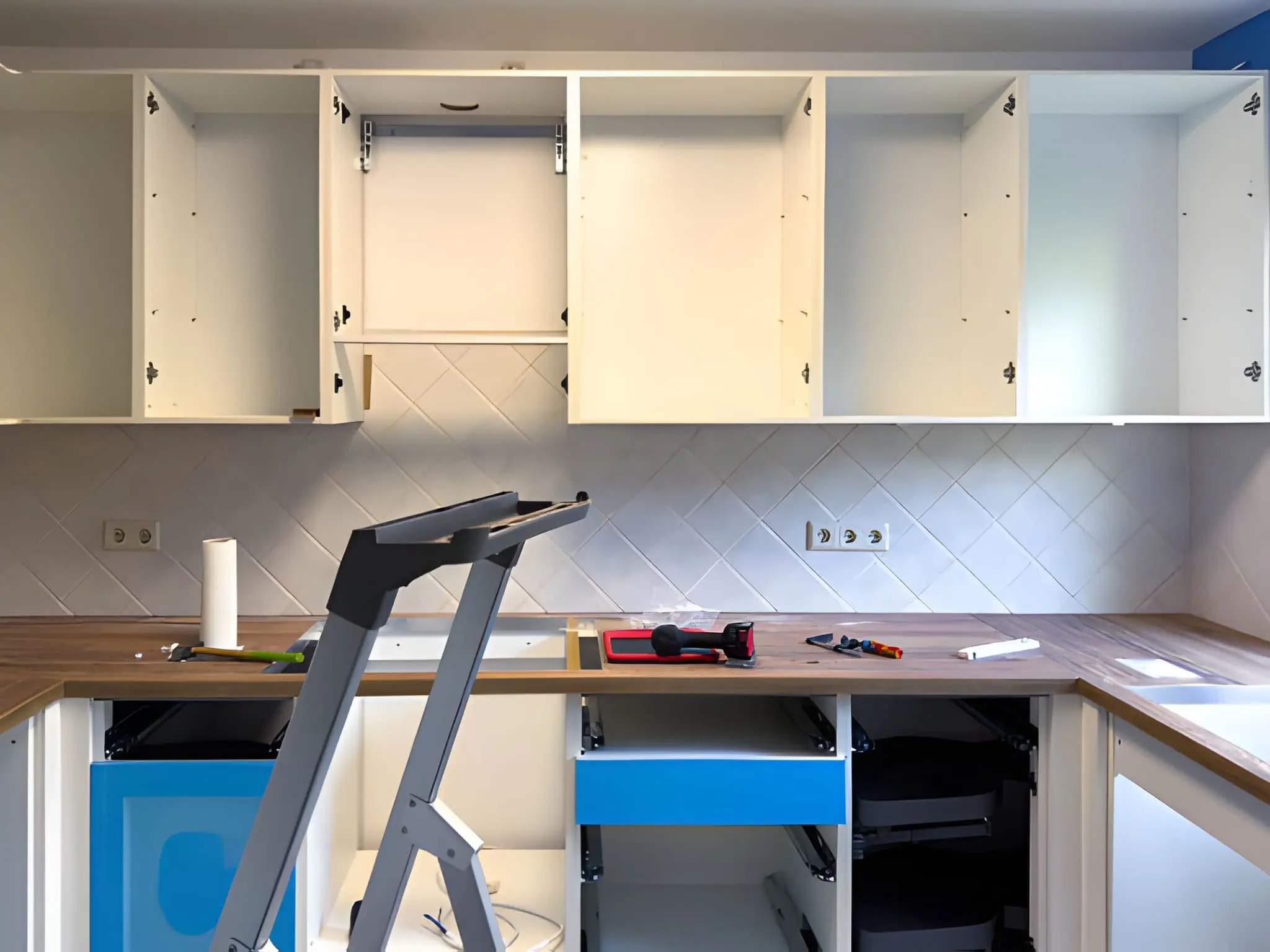
    How On-Site Manufacturing Enhances Quality and Fit in Kitchen Renovations

    Kitchen renovations are often judged by how they look on completion day. But what really determines long-term satisfaction is how well everything fits, functions, and holds up to daily use. Doors that don’t align, cabinets that waste space, or benches that feel just slightly off can turn excitement into quiet frustration.

    On-site manufacturing takes a different approach. Instead of relying solely on pre-made components, parts are built specifically for the space they will live in. That precision makes a noticeable difference—not just visually, but in how the kitchen works every single day.

    Why Fit Matters More Than People Expect

    Most homes aren’t perfectly square.

    Walls may lean slightly. Floors can slope. Ceilings often vary by a few millimetres from one side of the room to the other. These small variations are normal, but they create challenges when installing factory-made components designed for “average” spaces.

    On-site manufacturing accounts for these realities. Measurements are taken from the actual room, and components are built to suit those exact conditions.

    This is similar to tailoring clothing. Off-the-rack sizes work for many people, but tailored garments fit better because they account for individual proportions. Kitchens benefit from that same level of attention.

    When cabinetry fits the space precisely, there are fewer gaps, cleaner lines, and better use of every centimetre.

    Precision Leads to Better Quality

    Quality isn’t just about materials—it’s about execution.

    On-site manufacturing enables real-time adjustments. If something needs refining, it can be corrected immediately rather than forcing a compromise.

    In manufacturing industries, this approach aligns closely with precision engineering, where components are produced to exact tolerances to ensure performance and reliability. The same principle applies to kitchen renovations.

    Instead of forcing the room to fit the product, the product is shaped to fit the room.

    That precision improves durability, appearance, and overall performance.

    Fewer Compromises, Better Results

    Traditional renovation processes often involve workarounds. Fillers are added. Panels are trimmed. Small gaps are hidden with finishes.

    On-site manufacturing reduces the need for these compromises. Components are created with the space in mind from the start, resulting in cleaner joins and more cohesive results.

    In automotive repair, custom parts often outperform generic replacements because they’re designed for a specific vehicle. Kitchens work the same way.

    When fewer compromises are made, the final result feels intentional rather than adjusted.

    Adapting to Real-World Conditions

    Renovation rarely happens in perfect conditions.

    Unexpected obstacles—hidden pipes, uneven surfaces, or structural quirks—are common. On-site manufacturing allows designs to adapt quickly when these realities appear.

    In construction and architecture, adaptability is critical. Plans that can respond to real-world conditions produce better outcomes than rigid systems.

    This flexibility reduces delays and avoids last-minute design changes that can affect quality.

    Better Use of Space

    One of the most noticeable benefits of on-site manufacturing is improved space efficiency.

    Cabinets can be built to full height. Corners can be used more effectively. Awkward gaps can be eliminated.

    In logistics, storage systems are designed to maximise available space while minimising access restrictions. Kitchens benefit from the same thinking.

    Better use of space means more storage, cleaner lines, and a kitchen that feels larger and more organised—even if the footprint hasn’t changed.

    Consistency Throughout the Kitchen

    Consistency is what makes a kitchen feel cohesive.

    When components are manufactured on-site, finishes, proportions, and alignments are controlled closely. This creates a sense of balance throughout the room.

    In interior architecture, consistency builds visual calm. When elements align properly, the space feels intentional and refined.

    That consistency is often subtle—but it’s what separates a good kitchen from a great one.

    Reducing Installation Stress

    Installation is where many renovation issues surface.

    Pre-made components may require adjustments during installation, increasing the risk of damage or delay. On-site manufacturing simplifies installation because pieces are already built for the space.

    In event staging or exhibition design, custom-built components reduce setup issues because everything fits as planned. Kitchens benefit from that same predictability.

    Smoother installation means less disruption and fewer surprises.

    Durability Over Time

    Kitchens endure daily wear. Doors open and close thousands of times. Drawers carry weight. Surfaces face heat, moisture, and impact.

    When components fit properly, stress is distributed more evenly. Hinges last longer. Panels stay aligned. Wear happens more slowly.

    In mechanical systems, proper fit reduces friction and failure. Kitchen components follow the same rule.

    On-site manufacturing contributes to longevity, not just aesthetics.

    A More Personal Outcome

    Because components are made specifically for the home, the result feels personal rather than generic.

    Details can be tailored—handle placement, storage height, internal layouts—all reflecting how the household uses the kitchen.

    In user-centred design, products perform better when they’re built around real users rather than averages. Kitchens designed this way feel intuitive and comfortable.

    That personalisation enhances daily experience, not just visual appeal.

    Seeing the Difference Midway Through Planning

    As homeowners explore renovation approaches that prioritise accuracy and long-term quality, many review options, such as click here, to better understand how on-site manufacturing supports a better fit and finish.

    Seeing how the process works often clarifies why tailored manufacturing delivers stronger outcomes than one-size-fits-all solutions.

    Quality Control Happens Where It Matters Most

    When manufacturing happens close to the installation site, quality control improves.

    Issues can be identified and corrected immediately. Communication between design, manufacturing, and installation is tighter. There’s less reliance on assumptions.

    In food production, freshness and quality improve when preparation happens closer to the point of use. Kitchen manufacturing benefits from that same proximity.

    This reduces errors and improves accountability.

    Long-Term Satisfaction Comes From the Details

    Many renovation regrets stem from small things—drawers that don’t open smoothly, cabinets that feel cramped, finishes that don’t align.

    On-site manufacturing focuses on those details. When details are right, the kitchen feels effortless to use.

    In craftsmanship, details define quality. Kitchens are no exception.

    That attention to detail is what homeowners continue to appreciate long after the renovation is finished.

    Final Thoughts: Fit Is the Foundation of Quality

    On-site manufacturing enhances quality and fit in kitchen renovations by respecting the space’s realities and the needs of the people using it.

    By prioritising precision, adaptability, and craftsmanship, this approach reduces compromise and increases long-term satisfaction.

    In the end, a kitchen that fits properly doesn’t draw attention to itself—it simply works. And that quiet reliability is what makes on-site manufacturing such a powerful part of a successful renovation.

    Also Read-Unselect vs Deselect: Which Term Should You Use in Tech? 🖱️💡

  • Finding the Right Abs Trainer Device for Your Home Fitness Routine

    Finding the Right Abs Trainer Device for Your Home Fitness Routine

    Training your core at home sounds simple—until you actually try to stay consistent. Life gets busy, motivation fluctuates, and floor exercises don’t always feel friendly on tired backs or tight hips. That’s why many people start exploring abs trainer devices: tools designed to help activate core muscles more effectively without turning workouts into a chore.

    But with so many options available, finding the right abs trainer for your routine can feel overwhelming. The best choice isn’t about trends or promises of quick results. It’s about fit—how well a device matches your lifestyle, comfort level, and fitness goals.

    Why Core Training Matters More Than You Think

    The core isn’t just about appearance. It’s the central support system for nearly every movement you make—standing, bending, lifting, and even sitting. When your core is engaged and strong, everyday tasks feel easier and more stable.

    Think about industries like construction or logistics, where workers rely on proper lifting techniques to avoid injury. Core strength plays a huge role there. The same principle applies at home: carrying groceries, picking up kids, or spending long hours at a desk all depend on a stable midsection.

    Many people struggle to engage their core properly during traditional exercises like crunches or planks. That’s where abs trainer devices come in. They help create awareness and activation, especially for beginners or those returning to fitness after a break.

    Understanding Different Types of Abs Trainer Devices

    Not all abs trainers work the same way. Some rely on resistance, others on movement guidance, and some use electrical muscle stimulation (EMS) to activate muscles through gentle pulses. Understanding these differences helps narrow down what might work best for you.

    EMS-based devices, for example, send small electrical signals to the muscles, which then contract. This mirrors how your brain naturally signals muscles during movement. The concept has been used for years in physical therapy and athletic recovery, and it’s now adapted for home use.

    If you’re curious about how muscle activation works from a scientific perspective, learning about electrical muscle stimulation can offer a helpful background on how external signals interact with muscle fibers.

    The key takeaway? No device replaces movement entirely. The best abs trainers support your workouts—they don’t do the work for you.

    What to Look for When Choosing an Abs Trainer

    Choosing the right device is less about features and more about how those features fit into your routine. Here are some practical things to consider:

    Comfort and Adjustability

    If a device isn’t comfortable, it won’t get used. Look for adjustable intensity levels, flexible straps, or ergonomic designs that fit different body shapes. Comfort encourages consistency, which matters far more than intensity.

    In wearable technology industries—like fitness trackers or ergonomic office chairs—design always prioritizes comfort for long-term use. Abs trainers should follow the same principle.

    Ease of Use

    The best abs trainer is one you don’t have to think about too much. Simple controls, clear instructions, and quick setup make it easier to integrate into daily life. If using a device feels like a project, it’s more likely to gather dust.

    Versatility

    Some devices work best when paired with movement, while others can be used during rest or recovery. Versatility allows you to adapt usage based on energy levels. Busy day? Use it while relaxing. High-energy day? Pair it with bodyweight exercises.

    How Abs Trainers Fit Into Real-Life Routines

    One of the biggest advantages of abs trainer devices is flexibility. They’re not limited to workout time. Many people use them while watching TV, reading, or winding down in the evening.

    This mirrors trends in workplace wellness, where small, consistent habits—like standing desks or short stretch breaks—are favored over intense but irregular efforts. Abs trainers support that same philosophy: steady engagement over time.

    They’re also helpful for people easing back into fitness. After injury, pregnancy, or long breaks, traditional ab exercises can feel intimidating. Abs trainers offer a gentler way to reconnect with core muscles without strain.

    Pairing Abs Trainers With Movement for Better Results

    While abs trainers can work on their own, they’re most effective when combined with simple movement. Wearing one during exercises like squats, bridges, or seated twists can increase muscle awareness and engagement.

    Athletes train this way all the time. They don’t rely on a single drill—they layer tools and techniques. Abs trainers become one layer that enhances the overall routine.

    This approach also helps build a mind-muscle connection, which is essential for long-term progress. Feeling your core engaged makes it easier to activate during everyday movements.

    Finding Balance Between Convenience and Expectations

    It’s important to set realistic expectations. Abs trainer devices support core activation, but they’re not shortcuts. They work best alongside healthy habits like regular movement, hydration, and rest.

    Think of them like posture supports or resistance bands. Helpful? Absolutely. Magic? No—and that’s okay. Sustainable fitness comes from tools that fit into real life, not ones that promise instant change.

    For those researching options and comparing features, exploring a dedicated product page for the best Abs trainer device at home can provide clarity on how these devices are designed to support home routines without complicating them.

    Who Benefits Most From Abs Trainer Devices

    Abs trainers can be useful for a wide range of people:

    • Beginners who struggle with traditional ab exercises
    • Desk workers who want better core engagement and posture
    • Busy parents fitting workouts into short windows.
    • Fitness enthusiasts looking to supplement existing routines.
    • Those in recovery phases who need low-impact activation

    Across industries—from rehabilitation to professional sports—the focus is shifting toward smarter, rather than harder, training. Abs trainers align well with that mindset.

    Final Thoughts: Choosing What Works for You

    Finding the right abs trainer device isn’t about chasing trends or copying someone else’s routine. It’s about choosing a tool that fits your lifestyle, comfort level, and goals.

    The best device is one you’ll actually use—consistently, comfortably, and confidently. When paired with movement and healthy habits, abs trainers can help you build a stronger, more engaged core without adding stress to your schedule.

    In the end, home fitness works best when it feels supportive rather than demanding. With the right abs trainer, core training becomes less intimidating and more sustainable—one small, effective step at a time.

    Also Read-What Playtech Slot Has The Biggest Hit Frequency?