Blog

  • Innovative Approaches to Reducing the Visible Signs of Aging Skin

    Innovative Approaches to Reducing the Visible Signs of Aging Skin

    Visible signs of skin aging, such as fine lines, wrinkles, and loss of elasticity, are a concern shared by millions seeking solutions that deliver results without compromising safety or comfort. Thanks to remarkable advances in aesthetics and dermatology, innovative treatments now empower individuals to achieve radiant, smooth, youthful skin despite the passage of time. Modern advancements combine scientific research with smart technology, offering a sophisticated array of options for restoring skin health. For anyone looking to target these concerns, a tailored anti‑aging skincare for fine lines approach can make a substantial difference in both the short and long term.

    Innovative approaches to skincare include high-tech devices, non-invasive procedures, and holistic routines that address both symptoms and root causes of aging. These advancements, suitable for all ages and skin types, enhance skin vitality and firmness. The integration of science-backed products with personalized care offers promising solutions for maintaining skin health and resilience, making it easier to achieve a vibrant appearance.

    Advanced Light Therapies

    Light-based skin treatments, particularly LED therapy, are gaining widespread recognition for their ability to stimulate cellular activity without downtime or discomfort. By delivering targeted wavelengths of light, these therapies help boost collagen and elastin production, calm inflammation, and enhance overall skin tone and texture. Recent advancements have made LED devices more flexible, comfortable, and accessible, allowing spa-level technology to be used safely at home. Red and near-infrared light are especially effective in addressing concerns such as fine lines, loss of firmness, and dullness through consistent, non-invasive use. As technology continues to evolve, at-home light therapies represent a significant step forward in modern anti-aging skincare. Medical and dermatological sources increasingly support their effectiveness in improving elasticity and promoting healthier-looking skin.

    Non-Invasive Skin Tightening Techniques

    For those seeking firmer, tighter skin without the risks or recovery time associated with surgery, non-invasive skin-tightening treatments such as ultrasound and radiofrequency have transformed aesthetic care. Ultrasound-based technologies deliver focused energy deep beneath the skin’s surface, stimulating a powerful collagen-building response precisely where it is most effective. Noticeable lifting and smoothing can be achieved in areas prone to laxity, including the brows, jawline, and neck. As the body’s natural regenerative processes continue, results gradually improve, making these advanced treatments a highly sought-after solution for achieving refreshed, youthful contours with minimal downtime.

    Longevity Serums and Holistic Skincare

    Today’s longevity serums shift the anti-aging conversation from superficial fixes to great, lasting improvements in skin health. Formulated with powerhouse ingredients like antioxidants, niacinamide, retinol, and peptides, these serums address not just fine lines and wrinkles but the core causes of aging at the cellular level. By supporting natural repair, providing defense against environmental stress, and balancing inflammation, longevity serums create a comprehensive environment for healthier, more resilient skin. This holistic focus on repair and balance helps the skin maintain vibrancy over the years, making it an important tool in any anti-aging arsenal.

    AI-Driven Skin Assessments

    Artificial intelligence is ushering in a new era of customization and convenience in skincare. Using sophisticated algorithms and analyzing simple selfies, AI can accurately assess hydration, texture, and even trans-epidermal water loss. By receiving instant feedback, individuals can regularly monitor changes, prevent potential issues from worsening, and dynamically adjust their skincare routines. Critically, this accessibility puts professional-level assessment tools directly in the hands of everyday users, reducing reliance on in-person consultations without sacrificing accuracy or results. As AI technologies become even more refined, expect hyper-personalized skincare to become the norm.

    Platelet-Rich Plasma (PRP) and Growth Factor Therapies

    Harnessing the body’s regenerative powers, Platelet-Rich Plasma (PRP) therapy offers a natural, minimally invasive alternative for skin rejuvenation. The process involves extracting and concentrating a patient’s platelets, rich in growth factors, then reinjecting them into targeted areas to accelerate healing and collagen formation. PRP is lauded for improving texture, reducing wrinkles, and offering quick recovery, an ideal complement for those seeking enhanced results from procedures such as microneedling and laser resurfacing. Growth factor therapies, similarly, utilize concentrated bio-signals to stimulate repair and rejuvenation, acting as a bridge between traditional skincare and regenerative medicine.

    Stem Cell Therapies

    Stem cell technology is among the most transformative innovations in skin regeneration. By using potent cells sourced from various tissues (such as adipose or plant stem cells), these therapies activate the skin’s inherent ability to repair itself at the cellular level. The result is a measurable improvement in skin smoothness, elasticity, and integrity, with emerging protocols delivering safer, more consistent outcomes. As research continues, stem cell-based products and treatments are quickly moving from luxury clinics to mainstream access, pointing to a future where age reversal and prevention will be more attainable for a larger population.

    Personalized Skincare Routines

    Personalization is fast becoming the gold standard in anti-aging skincare. Advanced chemical peels now employ custom blends of antioxidants, vitamins, and enzymes tailored to an individual’s unique skin profile and goals. This targeted approach maximizes therapeutic benefits while minimizing the risk of irritation or downtime. Personalized formulas stimulate collagen and elastin, reduce pigmentation, and offer a more refined path to youthful, radiant skin. Consulting with skincare professionals for a bespoke routine ensures optimal results, making it easier than ever to support and maintain healthy skin for life.

    Conclusion

    The rapid pace of advancement in anti-aging science is redefining what’s possible for those seeking to counter the visible effects of aging. From innovative at-home light therapies and non-invasive lifting technologies to biotechnology’s role in repair and personalized routines, consumers now have access to a truly comprehensive toolkit. By integrating these evidence-based approaches, it’s possible to achieve skin that is resilient, vibrant, and youthfully radiant—regardless of age or lifestyle.

    Also Read-Marketing for Business Growth

  • Key Benefits of Working with a Real Estate Agent for Your 2026 Home Purchase

    Key Benefits of Working with a Real Estate Agent for Your 2026 Home Purchase

    When planning to buy a home in 2026, having a qualified real estate professional by your side can significantly enhance your experience and outcomes. A seasoned expert, such as Scarsdale, NY, real estate agent Andrea K Weiss, can help you navigate the complexities of the market, making your journey smoother and less stressful. The real estate landscape is constantly evolving, with new regulations, shifting buyer preferences, and fluctuating inventory, making the insights of a knowledgeable agent indispensable. Beyond mere transaction guidance, an agent acts as a trusted advocate, a skillful problem solver, and a knowledgeable advisor, with familiarity with market trends and local nuances that ensure each step of your property search is well-informed and strategic.

    Whether you’re a first-time homebuyer or a seasoned investor, leveraging a real estate agent’s expertise can be the key to finding the right property, negotiating favorable terms, and confidently navigating each stage of the home-buying process. From uncovering exclusive listings to providing ongoing emotional support and post-sale assistance, their role goes far beyond simply showing homes. They offer holistic support that empowers buyers to avoid common missteps while keeping expectations realistic, timelines organized, and investments protected in a competitive and sometimes overwhelming housing market.

    Expert Market Knowledge

    Real estate agents are acutely aware of local market dynamics, including neighborhood trends, property values, and changes in demand. This level of understanding enables them to guide buyers to communities that align with their budgets, preferred amenities, and long-term investment goals. Powerful insights into factors such as school district performance, walkability, and planned infrastructure upgrades are especially valuable—helping buyers make informed choices that suit both their immediate lifestyle and future needs. These granular insights can reveal emerging neighborhoods, anticipated value shifts, and development plans not yet widely publicized. Additionally, agents track seasonal cycles, government policy changes, and local events that impact supply and demand, ensuring their clients always have the latest information when making critical decisions.

    Access to Exclusive Listings

    Many real estate agents have early or exclusive access to properties not shown in public databases. These “pocket listings” are often shared through internal networks and word of mouth. With a trusted agent on your team, you get a first look at opportunities that other buyers might miss, increasing your chances of finding a home that perfectly matches your criteria. According to a recent HousingWire article, office exclusives, also known as private or pocket listings, have grown significantly in recent years, with some brokerages using them as a pre-marketing strategy to generate early interest before a property is publicly listed. In a fast-paced or highly competitive market, this inside track can be invaluable to buyers seeking an edge. Furthermore, agents can sometimes negotiate private showings or secure offers before listings are made available to the general public, drastically improving your odds of landing your dream home.

    Skilled Negotiation

    Negotiation is a cornerstone of the real estate process. Agents act as skilled mediators who understand both the emotional and financial stakes involved in buying a home. They advocate for their clients—strategizing offers, counteroffers, repairs, and contingencies to ensure favorable outcomes. In addition to negotiating price, agents help structure contract terms—including essential contingencies and timelines—to protect your interests and increase the likelihood of a successful closing. They can identify when to push for repairs or concessions, and when a compromise might be wise. Their objective approach helps reduce the likelihood of emotional decisions, keeping negotiations productive and fair, even when multiple parties and high stakes are involved.

    Guidance Through the Buying Process

    From mortgage pre-approval to final walk-through, the steps in home buying can be daunting, especially for those new to the process. Agents guide clients through every phase, reviewing contracts, assisting with paperwork, and keeping tabs on deadlines to ensure a smooth, timely closing. According to Investopedia, first-time home buyers benefit from understanding each step of the process, including budgeting, financing, inspections, and closing procedures. An experienced agent anticipates common issues, such as missing disclosures or title problems, and efficiently resolves or prevents them before they cause delays. With an agent’s guidance, buyers can focus on critical decisions rather than being overwhelmed by technicalities, and they are better equipped to navigate financing, inspection timelines, and compliance obligations with confidence.

    Professional Network and Resources

    Well-connected agents can introduce buyers to a network of trusted professionals, including mortgage lenders, inspectors, appraisers, and home service providers. These relationships make it easier for buyers to secure financing, obtain thorough home assessments, and resolve repair issues quickly. Knowing that your agent can recommend reliable experts provides added peace of mind throughout the transaction. Additionally, this network can often expedite otherwise lengthy processes, as service providers may prioritize business from reputable agents they know and trust. Whether you need recommendations for remodeling contractors, interior designers, or moving companies, your agent’s Rolodex becomes a valuable tool for settling into your new home and community quickly and smoothly.

    Market Analysis and Pricing Expertise

    Determining fair value in a fluctuating market is a challenge best met with data-driven insight. Real estate professionals perform comparative market analyses, examining recent sales and current listings to advise on competitive offers and pricing strategies. This expertise helps buyers avoid overpaying and ensures they make well-supported decisions informed by the latest trends and statistics. Accurate market analysis also protects buyers from lowballing, losing the home to another bidder, or inadvertently accepting unfavorable terms. In particularly complex or fast-moving neighborhoods, your agent’s familiarity with subtle factors—like local upgrades, new amenities, or upcoming developments—gives you a decisive advantage over the competition.

    Emotional Support and Objectivity

    The process of buying a home can stir up stress, excitement, and uncertainty. Agents provide a steady hand and an objective perspective, helping clients maintain their priorities and make rational, goal-aligned decisions. Their experience enables them to spot potential pitfalls early and help clients navigate challenges with poise. Home purchases are significant milestones, so having someone to keep the process moving calmly and methodically is invaluable. A good agent acts as a buffer from emotional reactions—such as urgency, disappointment, or hesitation—by offering honest feedback, reframing setbacks, and keeping clients focused on the end goal. Their ability to listen, empathize, and offer perspective is a crucial element of long-term buyer satisfaction.

    Post-Purchase Assistance

    Support from your real estate agent doesn’t end with the closing. Many buyers benefit from continued guidance on everything from home maintenance tips to recommendations for local contractors and service providers, helping them make a seamless transition into their new home and community. Some agents also check in periodically to share neighborhood updates, help resolve warranty questions, or even advise on future investment properties. This ongoing relationship ensures you have a resource for future homeownership challenges and opportunities, making your initial purchase just the beginning of a valuable partnership.

    Conclusion

    Choosing to work with a real estate agent for your 2026 home purchase brings clear advantages at every stage of the journey—from property search and negotiation to closing and move-in. Leveraging their expertise, local knowledge, and professional connections can make all the difference between a stressful experience and a seamless, satisfying transaction. Whether you’re a first-timer or an experienced investor, a dedicated agent will ensure you’re informed, prepared, and confident as you purchase your next home. Investing in the right agent means investing in a smooth, rewarding path to homeownership in today’s competitive landscape.

    Also Read-Marketing for Business Growth
  • Emerging Legal Trends in Business Representation

    Emerging Legal Trends in Business Representation

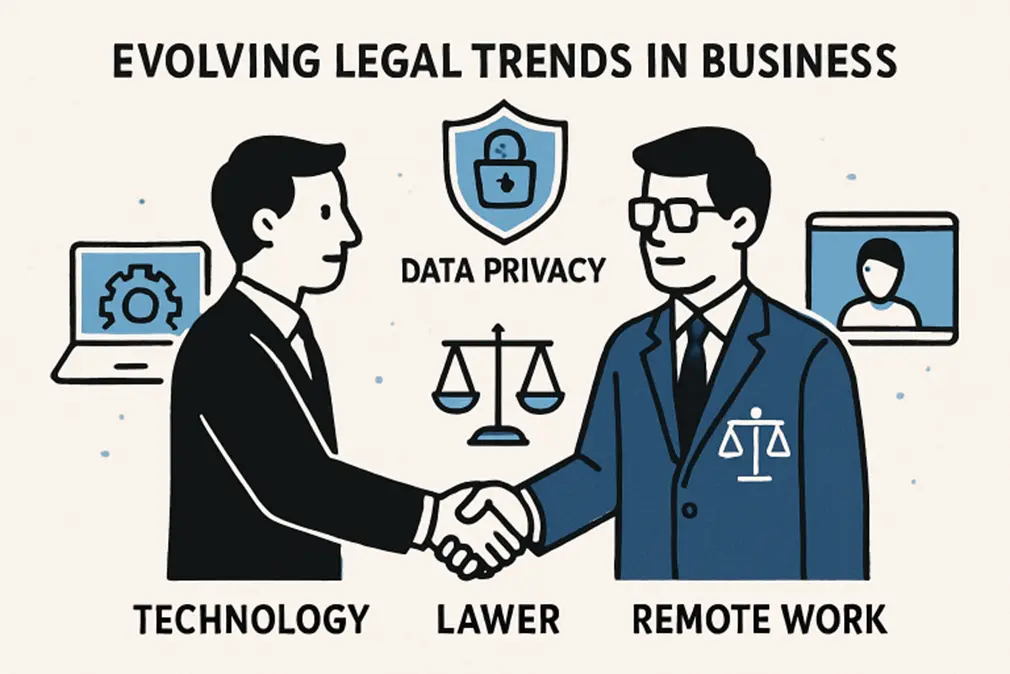
    Businesses in every sector are facing a rapid evolution of legal challenges and opportunities as new technology, regulatory changes, and client demands reshape the legal landscape. Staying informed about these trends is crucial for any company seeking to secure adequate legal representation and future-proof its operations. Companies seeking strategic guidance can benefit significantly from seasoned attorneys in Colorado for businesses who understand these shifting dynamics. Proactive engagement and adaptation to these legal developments enable organizations to navigate complex regulatory environments, ensure compliance, and maintain a competitive edge.

    The emerging trends are not only shaping; strong governance frameworks must accompany the use of AI by law firms to innovate and deliver more transparent, efficient, and client-focused services. Business leaders and their attorneys must stay attuned to regulatory changes, cybersecurity needs, and evolving work models, while also leveraging cutting-edge technologies and alternative legal service options.

    AI Integration in Legal Practices

    Artificial Intelligence (AI) has swiftly become a transformative force in the legal industry. From automating repetitive document reviews to powering advanced legal research, AI tools enable lawyers to perform their duties more efficiently and with greater accuracy. This shift reduces operational costs, allowing legal professionals to devote more time to strategic and high-value client matters. Major law firms are increasingly incorporating AI in everything from contract analysis to litigation predictions, indicating widespread acceptance of technology as an essential legal tool.

    However, as the American Bar Association notes, these innovations raise new ethical questions. Strong governance frameworks must accompany the use of AI to prevent algorithmic bias, protect client confidentiality, and ensure that human oversight remains at the forefront of decision-making. Ultimately, AI augments, rather than replaces, the role of qualified attorneys; however, firms must ensure that their staff and processes are adequately trained and monitored.

    Alternative Legal Service Providers

    Parallel to technological advancements, the rise of Alternative Legal Service Providers (ALSPs) is dramatically altering the delivery of legal services. These organizations specialize in targeted tasks, including e-discovery, litigation support, and regulatory compliance. Due to lower overhead and the use of novel delivery models, ALSPs frequently offer their services at a fraction of the cost of traditional firms. This has led to rapid market growth, particularly among small to mid-sized businesses and corporations seeking scalable and cost-effective solutions.

    Law firms are responding by either forming alliances with ALSPs or developing their own internal service arms to remain competitive and meet modern client expectations. According to a report by Thomson Reuters, the ALSP market has grown to an estimated $28.5 billion, driven by an 18% compound annual growth rate from 2021 to 2023, underscoring its integral role in today’s legal ecosystem.

    Cybersecurity and Data Privacy

    With business operations increasingly reliant on digital platforms, the legal landscape surrounding cybersecurity and data privacy becomes more complex every year. Major breaches—such as those affecting financial institutions, healthcare systems, and governmental agencies—have prompted stricter privacy regimes and increased the stakes for non-compliance. In the United States, regulations such as the California Consumer Privacy Act (CCPA) and the expansion of the General Data Protection Regulation (GDPR) in the European Union force businesses to adopt more rigorous data governance, risk assessment, and response protocols.

    Businesses must closely coordinate with legal advisors to ensure that all processes, from employee training to cloud storage solutions, comply with relevant data protection and privacy laws. Proper risk mitigation isn’t just about preventing costly data breaches; it’s also about safeguarding brand reputation and client trust. Firms attuned to these regulatory shifts provide immense value by navigating legal complexities in a world where even minor security lapses can prove devastating.

    Remote and Hybrid Work Models

    The evolution toward remote and hybrid work environments, propelled by the global pandemic, has become a core part of the business legal dialogue. Remote work introduces specific compliance and liability issues related to employment regulations, workplace safety, tax implications, and cybersecurity. Employers must adapt contracts, onboarding processes, and internal policies to ensure consistency with labor laws and emerging best practices.

    Legal professionals play a crucial role in shaping company policy and supporting swift adjustments to local, state, and federal regulations. Addressing contractual rights, insurance coverage, and digital communication safeguards allows organizations to maintain compliance while attracting and retaining diverse, distributed talent. Flexible work models, supported by thorough legal risk assessments, are rapidly becoming industry norms and a competitive edge for forward-thinking companies.

    Client-Centric Services

    In today’s business environment, clients demand more than just legal expertise—they seek trusted partners who are genuinely invested in their long-term success. This client-centric shift is reflected in practices such as transparent and flexible billing, consistent communication with actionable insights, and a proactive approach that anticipates potential challenges before they arise. Law firms that develop customized legal strategies, provide ongoing education, and tailor solutions to each client’s unique needs foster loyalty and enduring professional relationships. Technology has amplified this trend, enabling clients to access case updates, essential documents, and billing information in real time through secure online portals. Firms that combine deep legal knowledge with a seamless, client-focused experience are redefining industry standards, delivering measurable value, and building partnerships that extend well beyond individual cases.

    Conclusion

    Staying competitive and safeguarded in today’s rapidly changing legal landscape demands more than just compliance—it requires vigilance, adaptability, and strategic collaboration. Businesses must remain informed about emerging regulations, technological advancements, and shifting market dynamics to protect their interests and maintain a competitive edge. Partnering with both established legal providers and innovative new entrants enables organizations to access a broader range of expertise, from traditional corporate law to cutting-edge fields such as artificial intelligence, cybersecurity, and data privacy. The future of business legal representation emphasizes proactive engagement, creative problem-solving, and ongoing evolution, ensuring that legal strategies align with both current regulations and forward-looking opportunities. By embracing innovation and collaboration, companies can navigate complex challenges while safeguarding assets, reputation, and long-term growth.

    Also Read-Marketing for Business Growth
  • Network Security in the Age of Cloud Connectivity

    Network Security in the Age of Cloud Connectivity

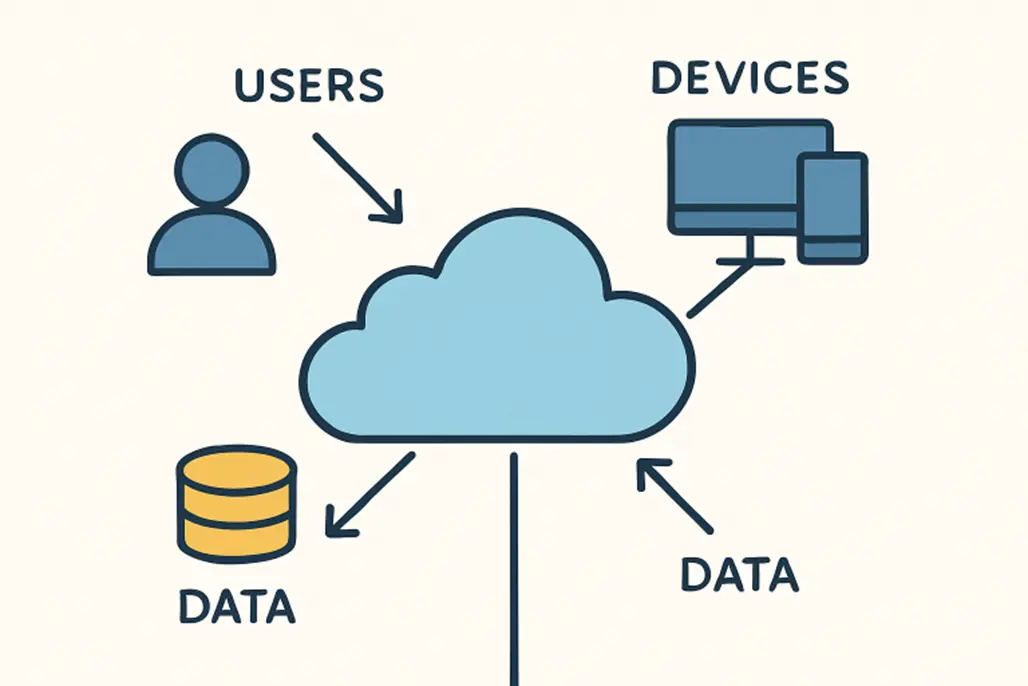
    As organizations accelerate their migration to cloud-based infrastructures, the principles of network security are evolving rapidly. What once relied on clearly defined perimeters now requires a dynamic, adaptive approach—one that recognizes the borderless nature of modern networks. Secure access and resiliency are paramount as businesses adapt to an environment where users, devices, and data are everywhere, and threats are increasingly sophisticated. Companies examining these shifts should consider integrated solutions such as Versa Secure Access Service Edge, which unite network and security capabilities for cloud-focused operations.

    This transformation means that decision-makers must approach network security not just as a technical challenge, but as a fundamental business concern. Updated methodology, intelligent automation, and resilient infrastructure form the new backbone of organizational defense. Adopting frameworks designed for cloud-first enterprises amplifies the ability to identify, prevent, and mitigate threats proactively and efficiently.

    By focusing on adaptive security models and leveraging emerging technologies, organizations stand better equipped to protect distributed resources and sensitive data, even as cyber risks grow in complexity. In turn, this improves not only the security posture but also enables business continuity and fosters trust in digital innovation. Adapting to these changes is no longer optional—it’s essential for long-term viability in a hyper-connected marketplace.

    Recognizing that traditional approaches must give way to more intelligent and more contextual controls helps organizations get ahead of new challenges, from identity-centric threats to cloud-based attacks. Rapid adoption of modern security paradigms, such as Zero Trust and SASE, positions businesses to remain agile and resilient as they navigate cloud connectivity.

    Shifting from Perimeter-Based to Identity-Centric Security

    The era of defined perimeters, where users and data reside within a clear corporate boundary, has primarily come to an end. As more businesses adopt multi-cloud, SaaS, and remote work models, the traditional “castle and moat” approach fails to provide adequate coverage. An identity-centric approach shifts the focus to verifying individuals and their access contexts, regardless of network location. This realignment is foundational to securing assets when employees and resources may be distributed across the globe.

    Identity-centric security is often formalized through the adoption of Zero Trust principles, which operate under the assumption that no user, device, or application—internal or external—can be trusted by default. Access is granted based on identity, behavior, risk level, and device health, all of which are assessed in real-time. This granular, context-aware approach provides a more adaptive, risk-based foundation for protecting modern connected environments.

    Implementing Zero Trust Principles

    Zero Trust Network Access (ZTNA) has become central to secure cloud operations. Within this framework, every access attempt—regardless of its origin—is continuously scrutinized. By enforcing strict authentication, micro-segmentation, and least-privilege access, ZTNA minimizes the attack surface and mitigates risks posed by compromised credentials or insider threats. Cloud-native organizations benefit especially, as Zero Trust aligns security controls with dynamic, distributed infrastructure and continually shifting network boundaries.

    Beyond limiting excessive user privileges, Zero Trust also promotes continuous monitoring and automated threat response. This ensures that when anomalous activities are detected, they can be addressed quickly, further hardening cloud and hybrid environments.

    Leveraging AI for Enhanced Threat Detection

    Manual threat detection is no longer sufficient against advanced, fast-evolving cyberattacks targeting cloud platforms. Artificial Intelligence (AI) and machine learning have emerged as essential allies, enabling the analysis of massive data streams for suspicious activity in real-time. AI-driven solutions excel at recognizing early indicators of breaches and automating responses to prevent attacks from causing severe damage. This speed and precision are vital for defending against unique threats, such as AI-generated phishing campaigns, credential stuffing, and lateral movement within virtualized infrastructures.

    Enhanced AI platforms enable organizations to transition from a reactive defense to a more proactive and adaptive model of network security. By incorporating real-world threat feeds and behavioral analytics, these technologies enable organizations to stay ahead of sophisticated adversaries. For more on the rise of AI-powered cyber defense, visit CSO Online’s coverage of AI in cybersecurity.

    Addressing the Challenges of Distributed Denial-of-Service (DDoS) Attacks

    Cloud scalability is a double-edged sword—while it enables rapid business growth, it also presents lucrative targets for Distributed Denial-of-Service (DDoS) attacks. Malicious actors exploit cloud elasticity to amplify their attacks, causing widespread service outages. Major providers like Azure have demonstrated the importance of robust mitigation strategies; for instance, Microsoft’s successful defense against a historic 15.3 Tbps attack shows that modern cloud protection demands high-bandwidth scrubbing, intelligent filtering, and automated incident response.

    Defending against DDoS threats requires not only technical barriers but also a coordinated fusion of network design, traffic analysis, and cloud-native protection tools. By continually adapting these defenses, organizations can maintain service availability and customer trust, even in the face of record-breaking volumetric attacks.

    Enhancing Network Resilience with Advanced Infrastructure

    Resilience is another cornerstone of modern network security. To prevent disruptions caused by outages, cyberattacks, or network congestion, cloud providers are investing in advanced infrastructure, including transatlantic subsea cables, expanded backbone networks, and redundant data centers. Projects like Amazon’s “Fastnet” subsea cable exemplify these enhancements, providing greater bandwidth, reduced latency, and alternative routing options in the event of physical or logical failures. Such investments are essential for organizations that rely on uninterrupted global connectivity and data integrity.

    By proactively upgrading their infrastructure, enterprises can safeguard operations against both conventional disruptions and emerging threats, ensuring robust business continuity and a secure digital transformation.

    Embracing Secure Access Service Edge (SASE)

    The Secure Access Service Edge (SASE) model is an innovative convergence of networking and security functions delivered from the cloud. SASE combines key capabilities such as Secure Web Gateways, Cloud Access Security Brokers, Firewall-as-a-Service, and Zero Trust Network Access into a unified platform. This enables organizations to protect users, applications, and information seamlessly, regardless of location or device.

    As organizations manage increasingly mobile and dispersed workforces, SASE simplifies connectivity and security operations—enabling secure, direct access to cloud applications while enforcing consistent policies and reducing complexity. For detailed guidance on building secure multi-cloud architectures, see Network World’s multi-cloud security best practices.

    Conclusion

    In the era of ubiquitous cloud connectivity, organizations must adopt robust security frameworks tailored to the realities of distributed infrastructure. Modernizing with Zero Trust and SASE, harnessing the agility of AI-driven defenses, and investing in resilient network architecture empowers businesses to confidently face current and future threats. By continually updating strategies and staying informed about industry innovations, companies can safeguard their operations while unlocking the full potential of cloud-driven transformation.

    Also Read-Unselect vs Deselect: Which Term Should You Use in Tech? 🖱️💡

  • How to Spot Roof Damage Before It Becomes a Problem

    How to Spot Roof Damage Before It Becomes a Problem

    Maintaining your roof’s health is crucial to your home’s safety, comfort, and value. The roof is your property’s main line of defense against weather and environmental challenges, and even seemingly minor roofing issues can quietly develop into major, expensive repairs if left unnoticed. With a little regular attention, roof monitoring doesn’t have to be complicated or time-consuming. With practical know-how and regular observation, you can catch subtle warning signs before they escalate into emergencies and know when it’s a good time to consider options like metal roof replacement Kansas City for greater, lasting protection. Proactive care can dramatically extend your roof’s lifespan while saving money in the long term.

    The sooner you identify and address roof damage, the more stress and money you’ll save in the long run. Damage that is overlooked can cause problems not just for the roof itself, but for your entire home leading to water intrusion, mold, ruined insulation, and expensive structural damage. From visual inspections to understanding the impact of seasonal weather, this guide will walk you through key steps to spot and prevent roof problems, helping ensure your home is always protected from the elements.

    Conduct a Visual Inspection

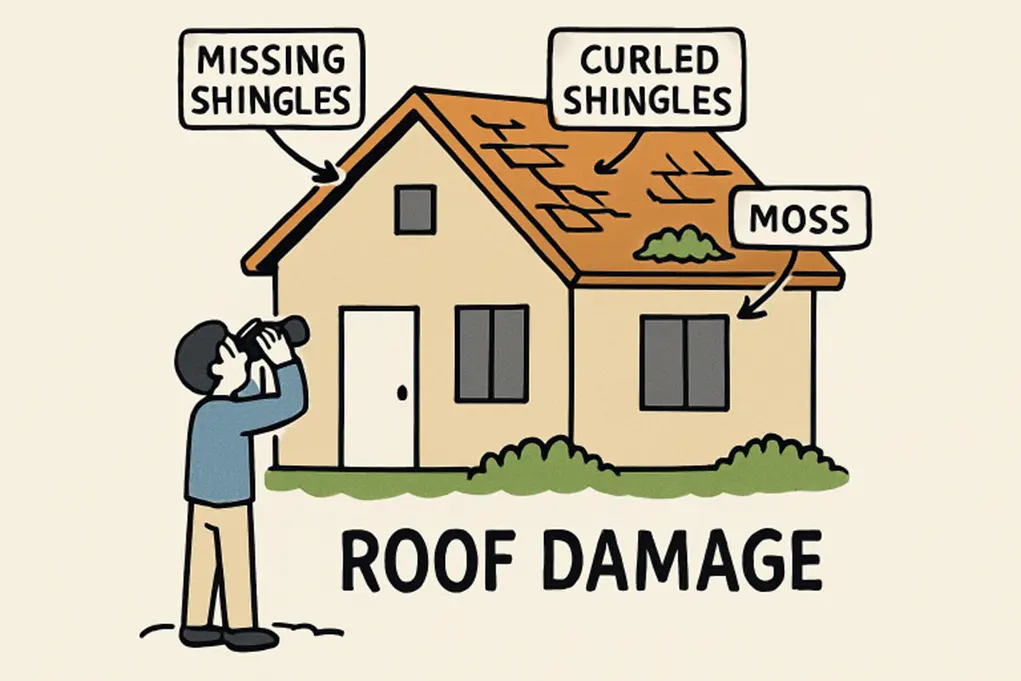
    Begin your roof maintenance with a simple ground-level inspection. Walk around the outside of your house and look up, using binoculars or a camera’s zoom lens to get a closer view if needed. Examine the roof for visible problems such as missing or damaged shingles, cracked or curled edges, or granule loss that can leave bare spots. Any patchiness or uneven appearance warrants further investigation, as it may indicate shingles are becoming detached or weakened. Sagging sections or areas that appear darker than the rest may point to water retention, developing rot, or potential structural weakness, all of which warrant more immediate attention. According to Consumer Reports, these early warning signs are frequent precursors to serious leaks and major failures that can affect the entire home.

    Don’t overlook the small stuff minor debris or plant growth can signal that water is being trapped in certain areas. Look out for signs of moss or mold, especially in shaded or damp spots, since these organic growths can trap moisture and degrade underlying roofing materials over time. After significant weather events such as heavy storms, high winds, or hail, schedule another inspection, as severe weather can accelerate roof deterioration and easily dislodge shingles or flashing. It’s also wise to periodically check flashing and joints from ground level, since these are critical leak points.

    Look for Interior Signs of Damage

    Much of roof damage reveals itself inside your home first, sometimes long before you see any obvious exterior problems. Water stains on your ceiling or running down the walls, often seen as discolored patches or streaks, are classic indicators of a leaky roof. These stains can appear after heavy rainfall or persistent wet weather and are a clear sign that water is seeping past the roof’s barriers. Bubbling or peeling paint, sagging drywall, or warping near the tops of your walls can also indicate moisture intrusion, sometimes caused by subtle roof leaks that go unnoticed for months.

    Pay close attention to musty, unpleasant odors in rooms directly beneath the roof or upper stories of your home, especially after rain. Persistent dampness fosters the growth of mold and mildew, which can spread quickly, threatening indoor air quality and creating a cascade of health and structural risks. If you notice new stains, soft spots, or peeling, it’s a good idea to trace them upward toward the probable entry point of water it may be further up the roof slope than the stain itself. If left untreated, these issues don’t just damage interior finishes but can eventually undermine insulation and framing as well.

    Check the Attic

    The attic is often the first interior part of your house to show roof trouble, sometimes even before you notice any symptoms elsewhere. Bring a strong flashlight and look carefully for wet insulation or damp spots on structural timbers, which could indicate the roof leaks only during rain. Dark, moldy, or musty patches are warning signs, and the presence of rotting or warped wood is a clear red flag that roof water is entering. If you see daylight shining through the roof boards or around penetrations like vents or chimneys, it’s a sign of gaps or missing shingles that need to be fixed right away. Unusual drafts or temperature fluctuations in the attic hot in summer, cold in winter may also indicate an underlying ventilation problem linked to roof wear. Ensuring a dry, healthy attic is a cornerstone of preventative roof maintenance, according to Family Handyman. Proper attic ventilation and insulation not only prolong the life of your roof but also can keep your energy costs in check.

    Inspect Flashing and Roof Penetrations

    Flashing is the thin metal sheeting installed to seal the areas around chimneys, vents, skylights, and other roof penetrations. These are among the most common and vulnerable locations for leaks to develop, as they disrupt the roof surface’s continuity. Inspect these junctions closely for bends or warping, rust, or old sealant that may have become brittle or dislodged. Cracks, corrosion, or missing or peeling sealants are red flags if left unchecked; even a tiny separation can let water seep beneath the shingles, possibly rotting out roof decking or attic supports. Damaged flashing not only leads to leaks but can also compromise your home’s energy performance by allowing drafts or pests inside.

    Maintain Gutters and Downspouts

    Gutters play an important but often overlooked role: they’re designed to channel water off your roof and safely away from the home’s foundation. When gutters become clogged or damaged, water can back up under your roof’s edge or spill to the ground, potentially causing both roofing and foundation problems. Regularly clear gutters and downspouts of leaves, twigs, granules, and other debris (especially following storms or the autumn leaf drop). Inspect for any signs of sagging, disconnected sections, or rust. Confirm that downspouts are firmly attached and divert water several feet away from your home’s foundation to prevent soil erosion or basement flooding. Gutter guards or screens may help reduce clogging in heavily wooded areas, ensuring year-round water flow and reducing your maintenance workload.

    Schedule Seasonal Inspections

    Many types of roof damage are closely tied to weather changes and the stress that comes with seasonal cycles. Extreme heat and cold cause expansion and contraction in roofing materials, while ice dams and accumulated snow can put additional stress on older roofs, accelerating wear. Plan to inspect your roof at the end of winter—looking for ice damage, leaks, or missing shingles and again after summer’s peak to spot issues such as cracked shingles, exposed nail heads, or heat-induced warping. Fall is a good time for a general inspection and gutter cleaning, preparing your roof to handle winter’s rain, snow, or wind. Following hail or severe storms, even if you don’t see immediate problems, a thorough inspection can reveal hidden damage you might otherwise miss. Seasonal vigilance is one of the best ways to catch issues before they develop into emergencies.

    Seek Professional Assessments

    DIY roof inspections are helpful and recommended for ongoing maintenance, but the untrained eye may miss some issues. A trained roofing professional can identify less obvious problems, assess the overall state of the roofing structure, and recommend detailed preventive measures tailored to your roof’s specific construction, age, and exposure. They can also safely check steep or inaccessible areas you might not be able to reach. Annual or biannual professional assessments provide peace of mind by catching problems you might overlook and validating the effectiveness of your ongoing maintenance. Most pros offer detailed reports, including photos, which can be useful when filing an insurance claim or tracking your roof’s health over time. Investing in professional inspections helps avoid costly surprises and can extend your roof’s service life.

    Conclusion

    Regular, proactive roof inspections prevent minor issues from growing into major headaches. By recognizing the warning signs both inside and out you can safeguard your investment, keep your home safe and comfortable, and avoid expensive, disruptive repairs. Make roof maintenance a routine part of your home-care schedule, and don’t hesitate to use professional services when needed. Implementing these practices ensures your roof’s longevity and reliability, and you’ll be well positioned to make informed decisions about repairs or upgrades as needed.

    Also Read-Marketing for Business Growth
  • The Hidden Costs of Parking Large Vehicles at Home

    The Hidden Costs of Parking Large Vehicles at Home

    At first glance, parking a boat, RV, or extra vehicle at home feels like a practical choice. It’s right there, visible, and seemingly convenient. But for many homeowners, that convenience slowly turns into a source of stress, expense, and tension they didn’t anticipate.

    From dense cities like New York, where space is already a luxury, to fast-growing metro areas such as Atlanta and the expanding suburbs around them, modern neighborhoods simply weren’t designed with oversized vehicles in mind. As lifestyles change and recreational vehicles become more common, homeowners are discovering that keeping everything at home comes with hidden costs that go far beyond parking.

    Driveways Were Never Built for This

    Most residential driveways are designed for standard daily-use vehicles, not the prolonged weight of boats, trailers, or RVs. Over time, that extra pressure can lead to cracking, sinking, and surface damage that requires costly repairs.

    In newer developments especially, aesthetics often take priority over durability. Thinner concrete, decorative pavers, or shared access points may look appealing, but they’re rarely meant to support large vehicles long-term. What starts as a harmless parking solution can quietly become a maintenance problem that impacts both curb appeal and property value.

    HOA Rules and Neighborhood Friction

    One of the most underestimated costs of parking large vehicles at home isn’t financial at all, it’s social. Homeowner associations and local zoning rules frequently restrict where and how long oversized vehicles can be parked. Many people only discover these rules after a warning notice appears.

    Even in neighborhoods without formal restrictions, large vehicles can spark tension. Blocked sightlines, reduced street access, and concerns about appearance can create friction between neighbors. What feels like a personal convenience can quickly become a shared frustration.

    Weather Exposure and Security Risks

    Leaving large vehicles parked outdoors also exposes them to constant wear from the elements. Prolonged sun exposure can damage paint, seals, and interiors, while heavy rain and humidity increase the risk of corrosion and mold. Seasonal storms add another layer of unpredictability.

    Security is another concern. Vehicles parked in driveways or on the street are more visible and more accessible, making them easier targets for theft or vandalism. Even in quiet neighborhoods, visibility doesn’t always equal safety.

    The Space You Lose Without Realizing It

    Beyond physical damage and neighborhood concerns, there’s a quieter cost many homeowners don’t notice at first: lost space. A driveway taken up by a boat or trailer can’t easily be used for guests, outdoor projects, or everyday flexibility. Garages often become inaccessible, forcing storage items into living areas.

    Over time, this loss of functional space affects how a home feels. Visual clutter can create mental clutter, turning what should be a place of rest into a source of low-level stress.

    When Home Stops Being the Best Option

    As these small issues add up, many homeowners start looking beyond their driveways for alternatives. This isn’t about upgrading or expanding, it’s about restoring balance. In some communities, including areas like Covington, people quietly explore options such as outdoor vehicle storage near Covington when keeping large vehicles at home begins to create more problems than it solves.

    Seen this way, off-property storage isn’t a luxury or an indulgence. It’s a practical response to space limitations, neighborhood rules, and the realities of modern residential design.

    A Widespread Shift, Not a Local Exception

    What’s happening in Covington reflects a much broader pattern. Across suburban developments outside major cities, coastal and lake communities, and even long-established neighborhoods, homeowners are rethinking what truly belongs at home.

    The rise of larger vehicles hasn’t been matched by changes in residential infrastructure. As a result, people everywhere are making similar decisions, not because they want less, but because they want their homes to function better.

    Rethinking What “Convenience” Really Means

    Parking a large vehicle at home may seem convenient on paper, but convenience isn’t just about proximity. It’s about peace of mind, flexibility, and how a space supports daily life. From New York to Atlanta to smaller communities like Covington, homeowners are learning that sometimes the easiest option isn’t the one that’s closest, it’s the one that creates the least friction.

    When homes feel lighter, more open, and less constrained, the true value of space becomes clear. And often, that clarity comes from recognizing the hidden costs we didn’t see at first.

    Also Read-How to Prepare for the SAT in a Way That Fits You Best

  • The Best Skin Cleansers for Everyday Use and Long-Term Skin Health

    The Best Skin Cleansers for Everyday Use and Long-Term Skin Health

    Cleansing is one of the most basic steps in skincare, yet it’s often the most misunderstood. Many people think stronger is better—that squeaky-clean feeling means your skin is truly clean. In reality, everyday cleansing is less about stripping the skin and more about supporting it over time.

    The right cleanser quietly sets the tone for your entire routine. It removes dirt, oil, and buildup while respecting the skin’s natural balance. When chosen well, it helps skin stay calm, resilient, and healthy—not just today, but for years to come.

    Let’s break down what makes a cleanser suitable for everyday use and why that choice matters so much for long-term skin health.

    Why Daily Cleansing Needs a Gentle Approach

    Your skin works hard every day. It protects you from pollution, bacteria, and environmental stress while regulating moisture and temperature. Cleansing helps reset the skin—but only when it’s done thoughtfully.

    Using harsh cleansers every day is like washing delicate clothes with industrial detergent. They may look clean at first, but over time, the fabric weakens. Skin behaves the same way. Over-cleansing can disrupt the skin barrier, leading to dryness, irritation, and breakouts.

    Everyday cleansers should remove impurities without stripping your skin of what it needs to function properly. That balance is key to long-term skin health.

    This idea exists in many industries. In automotive care, regular maintenance uses gentle cleaning and lubrication—not aggressive methods that wear parts down. Skincare follows the same principle: gentle consistency beats intensity.

    What Makes a Cleanser Suitable for Everyday Use

    Not all cleansers are designed for daily use. Some are meant for occasional deep cleaning, while others are formulated to support skin day after day.

    A good everyday cleanser usually:

    • Cleans without leaving skin tight or dry
    • Rinses easily without residue
    • Feels comfortable immediately after use
    • Works consistently over time

    Texture and feel matter too. A cleanser that feels harsh or uncomfortable is harder to stick with, which affects consistency. And consistency is where results come from.

    Understanding the fundamentals of facial cleansing helps explain why daily products should focus on balance rather than intensity. Skin responds best to routines that respect its natural rhythm.

    Long-Term Skin Health Starts at the Cleanser Stage

    Many people focus on serums or moisturisers for long-term results, but cleansers play a foundational role. If cleansing is too aggressive, even the best products applied afterward may struggle to work effectively.

    Over time, a well-chosen cleanser helps:

    • Maintain the skin barrier.
    • Reduce unnecessary irritation
    • Support a more even texture.
    • Improve tolerance to other skincare steps.

    Think of it like preparing soil before planting. If the foundation isn’t healthy, nothing you add later will perform at its best.

    Long-term skin health isn’t about dramatic overnight changes. It’s about small, daily actions that compound over time. Cleansing is one of those actions.

    Matching Your Cleanser to Real Life

    A cleanser should fit into your life as easily as brushing your teeth. If it’s complicated, uncomfortable, or time-consuming, it’s less likely to become a true habit.

    Everyday cleansers work best when they’re simple, reliable, and easy to use morning and night. This is especially important for people with busy schedules, travel routines, or fluctuating energy levels.

    This mirrors how people choose everyday products in other areas of life. A reliable coffee mug or comfortable pair of shoes gets used more often than something delicate or high-maintenance. Skincare works the same way—ease supports consistency.

    Midway through building a dependable routine, many people look for options labeled as best skin cleansers for everyday use to simplify choices and support both daily comfort and long-term skin goals without overthinking each step.

    Avoiding the “Too Much” Trap

    One of the most common skincare mistakes is overdoing it. Rotating multiple cleansers, over-exfoliating, or switching products too often can confuse the skin.

    For everyday use, less is often more. A single, well-suited cleanser used consistently usually outperforms a shelf full of options used sporadically.

    This principle shows up in fitness, nutrition, and even business strategy. Simple systems followed consistently produce better outcomes than complex systems that are hard to maintain.

    Skin thrives on predictability. When it knows what to expect, it can focus on repairing and renewing itself instead of reacting to constant change.

    How Everyday Cleansers Support Aging Skin Gracefully

    As skin ages, it tends to become more sensitive and slower to recover from irritation. This makes gentle daily cleansing even more important over time.

    Everyday cleansers that support hydration and barrier function help skin remain comfortable and resilient. They reduce cumulative stress, which can accelerate visible signs of aging.

    This is similar to preventive care in healthcare or routine servicing in machinery. Regular, gentle maintenance helps systems perform better for longer.

    Choosing Consistency Over Trends

    Skincare trends come and go. Ingredients rise and fall in popularity. But the role of cleansing remains constant.

    Rather than chasing trends, choosing a cleanser that feels good and works reliably day after day is a smarter long-term decision. When cleansing becomes second nature, everything else in your routine becomes easier to manage.

    Consistency builds trust—not just in the product, but in your routine as a whole.

    Final Thoughts

    The best skin cleansers for everyday use are the ones that quietly support your skin without demanding attention. They cleanse effectively, feel comfortable, and work with your skin rather than against it.

    Long-term skin health isn’t built on dramatic changes—it’s built on daily habits done well. A gentle, dependable cleanser is one of the most powerful tools you can choose for that journey.

    When cleansing feels easy and supportive, skincare stops being a chore and starts becoming a natural part of daily care. And that’s where real, lasting results begin.

    Also Read-Unselect vs Deselect: Which Term Should You Use in Tech? 🖱️💡

  • Navigating Emotional Well-Being Through Midland MI Counseling Services

    Navigating Emotional Well-Being Through Midland MI Counseling Services

    Changing Landscape of Emotional Support

    Public perception of mental health is shifting fast, fueled by the honesty of public figures and a collective fatigue with pretending everything is fine. People are starting to treat emotional well-being like physical health—worth investing in, worth professional intervention. Self-help fads promising instant transformation are losing credibility among adults who want substance over slogans. Trained counselors now occupy the role of navigators in this terrain, steering clients through complexity rather than handing out simplistic advice. The trust lies in their capacity to deliver insights grounded in evidence, not recycled motivational fluff.

    Key Advantages of Midland MI Counseling Options

    Midland MI Counseling Options offer more than sympathetic conversation. They create a space for objective feedback that disrupts blind spots, delivering clarity clients cannot generate alone. Within those sessions, coping strategies are tailored, not copied from generic lists, so they align with specific triggers and lifestyle realities. Counselors also help recalibrate relationship dynamics, cutting through circular arguments and entrenched tensions. This triad—unbiased perspective, customized tools, and interpersonal recalibration—forms a foundation that can sustain long-term stability.

    Innovative Therapeutic Approaches Shaping Modern Counseling

    Counseling today blends proven methods with deliberate precision. Cognitive Behavioral Therapy addresses destructive mental loops, effective when thought patterns spiral into anxiety or depression. Eye Movement Desensitization and Reprocessing can unlock trauma relief, valuable for those stuck in the grip of old, unresolved events. Mindfulness-based therapy slows the churn of overthinking, optimal when stress hijacks daily focus. Modern practitioners move between these frameworks fluidly, selecting the right tool at the right time instead of clinging to a single methodology.

    Spotting the Right Time to Reach Out

    Escalating stress that clogs decision-making, repeated relationship blow-ups, and persistent negative thoughts are more than bad weeks—they’re signs you could benefit from professional input. Severity is not measured in crisis alone; it’s about the frequency and impact on your daily function. Clear acknowledgment of these signs can prevent months of needless frustration, positioning counseling as a timely intervention rather than a desperate last resort.

    Building Your Personalized Session Roadmap

    Effective work begins with defined objectives anchored in realistic outcomes. Session frequency should match your needs, avoiding both burnout and stagnation. Progress measurement must be tangible, not left to vague feelings about whether “things are better.” Journals and specialized apps keep the data visible, allowing clients to adjust course rather than drifting through sessions without direction.

    Integrating Lessons From Therapy Into Everyday Life

    Daily journaling with focused prompts sharpens self-awareness beyond the therapy room. Short mindfulness breaks reset mental clutter before it becomes overwhelming. Regular self-reflection questions keep hard-earned insights from evaporating. Consistency is the leverage point here—sporadic effort diffuses impact, while repeated practice ingrains resilience into habit.

    Navigating Common Hurdles in the Therapy Journey

    Motivation inevitably dips. Combat it with an accountability ally who won’t indulge excuses. Scheduling conflicts dismantle momentum unless you guard session times as immovable commitments. Plateaus appear when old strategies lose bite; treatment plans must adapt promptly to keep progress alive. Each hurdle becomes manageable when met with decisive, immediate action.

    Choosing an Experienced Counselor for Lasting Impact

    Credentials prove skill, but reputation reveals actual competence. Seek documented client feedback rather than vague praise. A preliminary consultation tests the rapport before committing long-term. If you want a vetted professional, begin by examining a counselor Midland MI who offers transparent methods and demonstrable results. Choose someone unafraid to challenge you because lasting change rarely comes from comfort.

    Charting the Path Forward With Sustainable Growth

    Counseling delivers the most value when treated as an evolving alliance. The work extends past the final session, sustained by self-care rituals and occasional tune-ups with a trusted professional. Long-term growth thrives on continuity, not one-off breakthroughs. If you’ve been teetering between trying it and putting it off, commit now. The sooner you begin, the sooner you stop circling the same mental terrain.

    Also Read-Marketing for Business Growth

  • Elevate Your Style: A Guide to Luxury Style

    Elevate Your Style: A Guide to Luxury Style

    Luxury style goes far beyond simply wearing expensive clothing, it’s really about embracing a refined approach to personal presentation that radiates confidence, sophistication, and genuine attention to detail. First impressions carry tremendous weight in today’s interconnected world, and mastering the art of luxury dressing can genuinely transform opportunities both professionally and socially. The path toward elevated style isn’t mysterious; it involves understanding quality fabrics, appreciating timeless silhouettes, ensuring proper fit, and recognizing those subtle nuances that separate truly luxurious wardrobes from collections that are merely pricey. This comprehensive guide will walk you through the essential elements of luxury style, helping you build a wardrobe that authentically reflects both your personality and the lifestyle you’re cultivating.

    Understanding the Foundations of Luxury Fashion

    The cornerstone of luxury style lies in choosing quality over quantity, a principle that consistently separates discerning dressers from those simply chasing fleeting trends. Authentic luxury pieces are crafted from superior materials like Egyptian cotton, sumptuous cashmere, fine wool, and genuine silk, which don’t just feel exceptional against your skin but maintain their appearance beautifully through years of regular wear. These natural fibers breathe remarkably well, drape with elegant fluidity, and develop distinguished character rather than showing signs of deterioration over time. Beyond the raw materials themselves, construction techniques truly distinguish luxury garments, you’ll want to look for hand, stitched details, functional buttonholes, full linings, and carefully reinforced seams that demonstrate genuine artisanal craftsmanship.

    Building Your Essential Luxury Wardrobe

    Every sophisticated wardrobe begins with carefully selected essential pieces that form a remarkably versatile foundation for countless outfit combinations throughout your week. Start with impeccably tailored trousers in neutral tones, charcoal, navy, and stone, that can transition seamlessly from morning business meetings to evening social events without missing a beat. Invest thoughtfully in crisp dress shirts crafted from premium cotton with particular attention to collar construction and cuff details that maintain their sharp shape throughout the long days. A well-fitted blazer becomes your most versatile wardrobe asset, elevating casual outfits instantly while providing polish for formal occasions without requiring the full commitment of a complete suit. When building a refined wardrobe, professionals who regularly need to transition between business and social settings often rely on a designer sport coat for its unmatched versatility and sophisticated presence. Quality knitwear in merino wool or cashmere serves beautifully as both standalone statement pieces and essential layering components that add appealing texture and comfortable warmth to your ensembles. Don’t overlook the tremendous importance of exceptional outerwear, a tailored overcoat or classic trench in timeless styling becomes both the first and last impression you make on others. Footwear deserves your particular attention, as handcrafted leather shoes in timeless styles like Oxfords, loafers, and Chelsea boots complete your look while lasting years when given proper care. These foundational pieces create virtually endless styling possibilities while ensuring you always appear polished and purposeful, regardless of the occasion.

    Mastering the Art of Proper Fit

    No single element influences your overall appearance more dramatically than proper fit, which can genuinely elevate even affordable pieces while poor fit consistently undermines the most expensive garments money can buy. Understanding your specific body type allows you to select cuts and silhouettes that enhance your natural proportions rather than awkwardly fighting against them. Shoulders should sit precisely at your natural shoulder line without drooping downward or pulling uncomfortably, creating that clean foundation for the entire garment’s appearance. Sleeve length matters tremendously, jacket sleeves should reveal approximately half an inch of shirt cuff beneath them, while shirt sleeves should naturally reach your wrist bone when your arms hang comfortably at your sides.

    Developing Your Personal Style Signature

    Luxury style reaches its absolute pinnacle when you transcend merely following trends to develop a distinctive personal aesthetic that authentically reflects your individuality and lifestyle. Begin by thoughtfully analyzing which colors genuinely complement your complexion, hair, and eyes, certain palettes will energize your appearance noticeably while others may unintentionally wash you out. Consider your daily activities and regular social commitments to ensure your wardrobe serves practical needs while maintaining that aspirational appeal you’re cultivating. Experiment openly with different style archetypes, classic elegance, modern minimalism, sophisticated casual, or refined creative, to discover which resonates most authentically with who you truly are.

    Caring for Your Luxury Investment

    Maintaining luxury garments properly ensures they remain beautifully pristine and wearable for years, effectively protecting your financial investment while sustaining their aesthetic impact throughout countless wearings. Develop solid relationships with specialized cleaners who truly understand delicate fabrics and intricate garment construction, consciously avoiding generic services that treat all items identically regardless of their unique needs. Rotate your wardrobe regularly to prevent excessive wear on those favorite pieces you reach for repeatedly, allowing fabrics adequate time to rest and naturally recover between wearings. Invest wisely in quality hangers, sturdy wooden ones for suits and jackets, padded versions for delicate items, that maintain proper garment shape and prevent those stress points that damage fabric over time.

    Conclusion

    Elevating your style through luxury fashion represents an ongoing journey of continuous refinement rather than a final destination reached through a single transformative purchase. By understanding quality foundations, building versatile essentials, mastering proper fit, developing personal signatures, and maintaining your investments properly, you create a wardrobe that serves you exceptionally well across all life contexts and situations. Luxury style ultimately reflects intentionality, the conscious, deliberate decision to present yourself with genuine excellence and complete authenticity every single day. As you implement these principles consistently, you’ll discover that true luxury extends far beyond recognizable brand names to encompass confidence, sophistication, and that quiet assurance that comes from knowing you look your absolute best.

    Also Read-Breathedivinity Clothing – Where Faith, Fashion, and Meaning Unite

  • How AI Can Reshape Your Business Model for Growth

    How AI Can Reshape Your Business Model for Growth

    Business models rarely change in one bold move. Most shifts happen through small decisions that add up over time. Pricing tweaks. New service layers. Different ways teams support customers. Over the last few years, artificial intelligence has started to influence these decisions, often quietly. Many leaders feel pressure to respond, yet the real question sounds simpler. How does AI actually change the way a business works and grows?

    AI does not arrive as a finished answer. It enters through existing processes. Forecasts. Customer support. Supply planning. When those processes start to behave differently, the business model follows. Growth then comes from better choices rather than louder promises.

    Where Business Models Begin To Shift

    Most business models rely on assumptions—demand patterns. Customer needs. Cost structures. These assumptions once changed slowly. AI alters that pace. Systems read signals from daily activity and reflect patterns that teams could not spot before.

    A subscription company may notice early signs of churn through usage data rather than waiting for cancellations. A manufacturer may adjust production plans based on supplier behavior rather than monthly reports. These shifts change revenue stability and cost control. Over time, they also shape how value reaches customers.

    Leaders ask whether AI replaces strategy. It does not. It changes the inputs that the plan relies on. When information arrives faster and feels more precise, decisions follow a different rhythm. Business models then evolve in response.

    This is where AI Strategy & Design enters the conversation. Strategy still defines direction. Design shapes how that direction turns into daily action. AI influences both by changing how signals appear and how teams respond.

    How AI Changes Value Creation

    Value creation used to depend on scale or speed. AI adds another layer. Relevance. Products and services respond better to context when systems adjust based on real behavior rather than static rules.

    In retail, offers are based on purchase history rather than broad segments. In logistics, routes adjust based on traffic and demand rather than fixed plans. Customers notice this shift even when they do not name it. Experiences feel smoother. Fewer frictions appear.

    Revenue models also feel the effect. Usage-based pricing becomes easier when systems accurately track consumption. Service models grow when support teams receive clearer signals about customer needs. These changes reshape margins and expectations.

    Brands like Encora work with organizations at this point of transition, where business intent meets system behavior. Through its work in strategy design, the focus stays on how AI fits within operating models rather than sitting as a separate layer.

    What Leaders Often Overlook

    AI discussions often drift toward tools. Dashboards. Models. Automation. The deeper impact lives elsewhere. Governance. Trust. Decision ownership. These shape whether AI reshapes a business model or stays confined to experiments.

    Teams need clarity about why a system suggests a change. Without that clarity, decisions slow down. Business models depend on confidence. Leaders must trust signals before they adjust pricing, partnerships, or service levels.

    Another overlooked point involves timing. AI does not require immediate scale. Many gains emerge from focused use in a single part of the model. Over time, patterns from that area inform broader change. Growth then feels organic rather than forced.

    Data quality also plays a role. Systems reflect the inputs they receive. When data lacks consistency, outputs confuse rather than guide. Investment here supports long-term growth more than flashy features.

    This phase also changes leadership habits. Questions shift from what happened to what may happen next. Meetings focus on options rather than explanations. This cultural shift supports a business model that adapts rather than reacts.

    What Sustainable Growth Looks Like

    Growth shaped by AI rarely feels dramatic. It feels steady. Costs align better with demand. Customers stay longer. Teams spend time on judgment rather than correction.

    Business models that thrive in this environment treat AI as part of design, not decoration. Strategy sets intent. Design shapes experience. Systems support both through awareness and context.

    The future favors businesses that stay curious. They test ideas. They adjust when signals shift. They avoid rigid structures that resist learning. In this setting, ai Strategy & Design becomes less about transformation and more about fit.

    Also Read-Unselect vs Deselect: Which Term Should You Use in Tech? 🖱️💡