Blog

  • 5 Training Prep Habits That Support Consistency

    5 Training Prep Habits That Support Consistency

    Consistency is one of the most important factors in long‑term fitness progress. While motivation can fluctuate, preparation habits create structure and reliability that help you show up even on challenging days. These habits support physical readiness, mental focus, and smoother transitions into each workout. By building a routine that prepares your body and mind before training, you create a foundation that makes consistency easier to maintain over time.

    Establish a Predictable Pre‑Training Routine

    A predictable routine helps signal to your body and mind that it is time to train. This routine does not need to be elaborate. Simple steps such as changing into workout clothes, filling a water bottle, or reviewing your training plan can create a sense of structure.

    These cues help reduce decision fatigue, which is one of the biggest obstacles to consistency. When your routine becomes automatic, you spend less time debating whether to work out and more time getting started. Over time, this predictability builds momentum and strengthens your commitment to regular training.

    Prepare Your Fuel and Hydration Ahead of Time

    Fueling properly before a workout supports energy, focus, and performance. Preparing your meals and snacks ahead of time helps ensure that you are ready to train without scrambling for food at the last minute. A balanced combination of carbohydrates and protein provides steady energy and supports muscle function.

    Hydration is equally important. Drinking water consistently throughout the day helps maintain fluid balance and prevents fatigue during training. Some individuals also incorporate a muscle restoration supplement into their routine to support recovery and readiness, depending on their goals and preferences. When nutrition and hydration are planned in advance, workouts feel smoother and more sustainable.

    Set Clear, Realistic Goals for Each Session

    Clear goals help anchor your training and give each session a sense of purpose. These goals do not need to be complicated. They can be as simple as improving form, increasing reps, or maintaining steady effort throughout the workout.

    Setting realistic goals helps prevent frustration and supports long‑term consistency. When goals are achievable, you build confidence and maintain motivation. Tracking progress over time also helps reinforce your commitment and provides a sense of accomplishment that encourages you to keep showing up.

    Organize Your Training Environment

    A well‑organized training environment reduces distractions and helps you transition into your workout more efficiently. Whether you train at home or in a gym, preparing your space ahead of time makes it easier to stay focused.

    At home, this may involve setting out equipment, clearing space, or choosing a playlist that supports your energy. In a gym setting, planning your workout in advance helps you move confidently from one exercise to the next without hesitation. When your environment supports your goals, it becomes easier to maintain consistency and stay engaged throughout your session.

    Prioritize Recovery to Support Tomorrow’s Training

    Consistency is not only about showing up today. It is also about preparing your body to show up again tomorrow. Recovery habits such as stretching, mobility work, adequate sleep, and balanced nutrition help your body repair and rebuild between sessions.

    When recovery is neglected, fatigue and soreness can accumulate, making it harder to stay consistent. Incorporating small recovery practices into your daily routine helps maintain energy levels and reduces the risk of injury. This preparation ensures that your body feels ready for each workout, supporting long‑term adherence to your training plan.

    Conclusion

    Training prep habits such as establishing routines, planning fuel and hydration, setting clear goals, organizing your environment, and prioritizing recovery all contribute to greater consistency. When these habits become part of your daily rhythm, they help create a stable foundation that supports long‑term progress and a more enjoyable training experience.

    Also Read

  • Starlink Internet Bahrain for Businesses: Opportunities and Advantages

    Starlink Internet Bahrain for Businesses: Opportunities and Advantages

    As digital transformation accelerates across the Kingdom, reliable high-speed connectivity has become a core business requirement rather than a luxury. The introduction of starlink internet bahrain is reshaping how organizations think about internet access, especially for operations that demand resilience, flexibility, and performance beyond traditional fixed-line infrastructure. With licensed local providers such as SamaX supporting deployment and integration, businesses in Bahrain now have a powerful new connectivity option.

    A New Era of Satellite Connectivity

    Unlike traditional satellite internet systems that rely on high-altitude geostationary satellites, Starlink operates through a network of low Earth orbit (LEO) satellites. This significantly reduces latency while delivering impressive broadband speeds. For businesses, this means smoother video conferencing, faster cloud access, better VoIP performance, and reliable remote collaboration tools.

    In Bahrain’s competitive business landscape—particularly in sectors like finance, logistics, oil and gas, hospitality, construction, and maritime—consistent connectivity is critical. Even short periods of downtime can result in lost revenue, operational disruption, and reputational damage. This is where starlink internet bahrain creates real value.

    Key Opportunities for Businesses

    1. Connectivity for Remote and Hard-to-Reach Locations

    Many businesses operate in locations where fiber infrastructure may be limited, delayed, or expensive to deploy. Construction sites, offshore facilities, temporary project camps, and industrial zones often struggle with stable connectivity.

    Starlink eliminates the dependency on ground-based infrastructure. Businesses can deploy high-speed internet quickly without waiting months for fiber installations. This flexibility is especially beneficial for companies expanding into new areas or operating in remote zones.

    2. Reliable Backup for Business Continuity

    For enterprises that cannot afford internet outages—such as banks, healthcare providers, payment processors, and e-commerce platforms—Starlink can serve as a high-availability backup connection.

    By integrating Starlink into a failover system, companies ensure seamless connectivity even if their primary ISP experiences disruption. This strengthens disaster recovery strategies and enhances operational resilience.

    3. Maritime and Offshore Connectivity

    Bahrain’s strategic location in the Gulf makes maritime operations essential to its economy. Shipping companies, offshore platforms, and marine service providers require stable internet for operations, safety systems, tracking, and crew communication.

    Starlink’s satellite-based architecture is ideal for maritime applications, enabling vessels and offshore facilities to stay connected even far from land-based networks.

    4. Enabling Cloud-First Strategies

    Modern businesses rely heavily on cloud platforms for ERP systems, CRM tools, collaboration software, and data storage. Latency and bandwidth limitations can slow down these systems and affect productivity.

    With improved speeds and reduced latency, starlink internet bahrain supports seamless access to cloud applications. Companies adopting hybrid or multi-cloud strategies can benefit significantly from this improved performance.

    5. Temporary and Event-Based Connectivity

    Corporate events, exhibitions, pop-up stores, and temporary offices often require immediate internet access without complex installations. Starlink allows businesses to set up high-speed connectivity quickly, making it ideal for short-term requirements.

    Advantages of Using a Local Partner Like SamaX

    While Starlink technology itself is advanced, proper deployment and integration are critical for enterprise success. This is where licensed providers like SamaX play an important role.

    Professional Installation and Integration

    Enterprise connectivity requires more than simply installing a satellite dish. Businesses need proper network configuration, secure routing, firewall integration, and performance optimization. SamaX provides professional setup and ensures the solution integrates seamlessly with existing IT infrastructure.

    Regulatory Compliance

    Operating within Bahrain’s telecommunications framework requires adherence to local regulations. Working with an authorized provider ensures compliance and reduces procurement risks.

    Enterprise-Grade Support

    Businesses require guaranteed uptime, service-level agreements (SLAs), and local technical support. SamaX offers enterprise support services that go beyond consumer-level packages, making starlink internet bahrain a viable corporate solution.

    Performance and Cost Considerations

    Starlink business plans typically offer higher bandwidth and priority data compared to residential packages. When evaluating whether to adopt the service, businesses should consider:

    • Installation and hardware costs
    • Monthly service fees
    • Integration with existing WAN infrastructure
    • Security and encryption measures
    • Scalability for multiple sites

    Although satellite solutions may carry a premium cost compared to traditional broadband, the value lies in resilience, speed of deployment, and operational continuity. For many enterprises, preventing a single major outage can justify the investment.

    Security and Network Protection

    Security remains a top priority for corporate networks. Businesses using Starlink should implement:

    • Encrypted VPN tunnels
    • Multi-factor authentication
    • Network segmentation
    • Advanced firewalls
    • Continuous monitoring systems

    When deployed properly, satellite connectivity can be just as secure as traditional terrestrial networks. Integration with SD-WAN solutions further enhances network control and performance optimization.

    Competitive Edge Through Connectivity

    Fast, reliable internet enables businesses to innovate. From IoT deployments and smart monitoring systems to AI-driven analytics and remote workforce models, connectivity is the backbone of digital growth.

    By adopting starlink internet bahrain, organizations gain a competitive advantage through:

    • Faster decision-making
    • Improved employee productivity
    • Expanded geographic reach
    • Enhanced customer experience
    • Stronger business continuity planning

    Future Outlook for Bahrain’s Business Ecosystem

    Bahrain has positioned itself as a forward-thinking digital economy in the Gulf region. The introduction of advanced satellite broadband aligns with national strategies focused on innovation, fintech growth, and smart infrastructure.

    As more companies explore hybrid connectivity models—combining fiber, 5G, and satellite—Starlink will likely play a key role in building resilient enterprise networks. Providers like SamaX will continue to bridge the gap between global satellite technology and local business needs.

    Conclusion

    The launch of starlink internet bahrain represents more than just another internet option—it signals a transformation in how businesses approach connectivity. From remote-site access and maritime operations to enterprise-grade backup and cloud performance optimization, the opportunities are substantial.

    With experienced partners such as SamaX supporting deployment, businesses in Bahrain can confidently integrate satellite broadband into their IT strategies. In a world where digital reliability determines success, investing in resilient and flexible connectivity solutions is no longer optional—it is essential for sustained growth and competitive advantage.

    Also Read

  • Online Tenders – IT and Telecoms Contracts Across South Africa

    Online Tenders – IT and Telecoms Contracts Across South Africa

    It and telecoms tenders form a growing part of South Africa’s procurement landscape. Technology is no longer a support function sitting quietly in the background. It drives operations. It protects data. It keeps organisations connected.

    When systems go down, work stops. When networks are outdated, productivity suffers. Because of that, both public institutions and private companies regularly publish tenders for IT infrastructure, telecom upgrades, cybersecurity services, and ongoing technical support.

    For businesses in this space, the opportunity is steady but it is not automatic.

    The Type of Work Being Put Out to Tender

    Not every IT contract is a massive infrastructure rollout. Some are straightforward supply projects — laptops for a department, routers for a municipality, or telecom hardware upgrades for a regional office.

    Others are more complex. Fibre installations. Cloud migration. Data centre upgrades. Managed IT services with multi-year service level agreements. Cybersecurity monitoring and compliance support.

    There has also been increased focus on data protection and regulatory compliance. Organisations are more aware of risks, especially when handling sensitive information. That awareness often translates into specialised IT and telecom tenders requiring technical certifications and proven experience.

    Who Is Issuing These Tenders?

    Government departments at national, provincial, and municipal level frequently advertise technology-related projects. Schools and universities need reliable connectivity. Hospitals require secure systems. Municipal offices modernise billing platforms and record management systems.

    Private sector demand is just as active. Property groups, logistics companies, retail chains, and financial institutions all depend heavily on digital systems. Many prefer outsourcing IT management instead of maintaining large in-house teams.

    In many cases, telecom and IT services overlap. Connectivity solutions sit alongside system management. Hardware supply may be bundled with maintenance and support.

    What Makes a Bid Stand Out

    Let’s start with the obvious: compliance.

    If tax clearance is expired or company documents are incomplete, the bid may not even be evaluated. Having updated paperwork ready at all times removes unnecessary pressure when deadlines are tight.

    Technical clarity is where many proposals fall short. It is easy to list services. It is harder to explain implementation.

    Evaluation panels want to understand how you will approach the project. What is your rollout plan? How do you manage system downtime? What support structure is in place after installation? Who is responsible for escalation if something fails?

    When these questions are answered clearly, confidence increases.

    Pricing must also be realistic. Technology projects involve hardware costs, licensing, labour, maintenance, and potential upgrades. Submitting an unsustainably low quote can create doubt about whether the service provider fully understands the scope.

    Competition and Positioning

    There is strong competition in IT and telecom tenders. Established national firms compete alongside smaller, specialised businesses.

    But size is not everything. Smaller companies often bring focused expertise and quicker turnaround times. A business that specialises in cybersecurity audits or managed network support for medium-sized organisations may have a stronger value proposition than a generalist provider.

    Instead of chasing every opportunity, it often makes more sense to focus on tenders that align closely with your actual strengths. Building a record of successful smaller contracts can position your company for larger projects later.

    Staying Consistent in the Tender Market

    Successful bidders usually follow a system. They monitor tender listings regularly instead of checking occasionally. Their compliance files are organised and current. Proposal templates are updated based on past feedback.

    They also invest in staying technically relevant. Certifications, training, and knowledge of regulatory requirements matter. The technology industry changes quickly, and procurement expectations shift with it.

    IT and telecoms tenders are not a once-off opportunity. They are part of an ongoing cycle tied to budgets, upgrades, and infrastructure planning. Businesses that treat tendering as a long-term strategy, rather than a quick win, tend to see better results over time.

    Frequently Asked Questions

    How frequently are IT and telecoms tenders published in South Africa?

    There is no fixed schedule. New tenders are released throughout the year depending on budgets, upgrade cycles, and infrastructure projects. Periods of digital modernisation often increase activity.

    Are these tenders only for large IT companies?

    No. Many contracts are suitable for SMEs, especially those offering specialised services such as cybersecurity, network maintenance, cloud support, or telecom installations. Strong documentation and clear technical planning significantly improve competitiveness.

    Also READ-Why Office Interior Design Is No Longer Just About Looks

  • Bridging the Gap Between Clinicians and AI Developers: Dr Andrew Ting Explores Why Collaboration Is the Future of Medical Innovation

    Bridging the Gap Between Clinicians and AI Developers: Dr Andrew Ting Explores Why Collaboration Is the Future of Medical Innovation

    Artificial intelligence is increasingly becoming a major component of healthcare, but it is not a panacea on its own. The true breakthroughs occur when doctors and developers collaborate, combining hands-on knowledge and technical understanding. Dr Andrew Ting shows why, without collaboration, even the most advanced AI systems may overlook key information or fail to satisfy the demands of patients and physicians in real-world settings.

    Why Clinicians Are Critical to AI Success

    Doctors contribute more than just knowledge; they provide perspective. Every patient case is unique, and medical judgments frequently rely on minor elements that do not appear in spreadsheets. AI systems designed without this perspective may be technically correct but ineffective in practice.

    Clinicians might point out instances in which algorithms may overlook complexity, such as unique symptom patterns, or when an AI recommendation conflicts with practical realities, such as staffing constraints, patient preferences, or regulatory requirements. Including clinicians in the development process guarantees that AI enhances rather than disrupts patient care.

    Translating Medical Needs Into Technology

    Communication is one of the most challenging aspects of healthcare AI. Doctors consider symptoms, risk factors, and treatment outcomes. Developers consider data models, training sets, and measurements. Bridging this linguistic divide is critical for developing tools that assist professionals in executing their jobs.

    Andrew Ting emphasizes that cross-disciplinary teams can translate complex medical goals, such as improving diagnostic accuracy or reducing unnecessary testing, into clear technical specifications. This method enables AI systems to become practical tools rather than speculative experiments.

    Fitting AI Into Daily Clinical Workflows

    If it doesn’t fit into a doctor’s timetable, even the smartest AI is useless. Hospitals are busy places with plenty of paperwork, strict deadlines, and regular emergencies. A system is unlikely to be adopted if it slows work or requires extra steps.

    For this reason, developers need to assess AI technologies in actual healthcare environments. To make sure the system is easy to use, integrates with electronic records, and saves time, pilots, feedback sessions, and phased rollouts are used. Adoption can be greatly increased by making small improvements, including revealing important advice at the right moment.

    Ethics, Responsibility, and Patient Safety

    From algorithmic bias to decision-making transparency, AI raises serious ethical issues. Clinicians are crucial to identifying situations where AI can inadvertently harm specific patient groups.

    By working together, medical professionals and technologists can create precise accountability standards, carry out regular performance evaluations, and ensure that AI advances moral, secure patient care. Patients need to understand that technology is a tool, not a substitute for human judgment; thus, these exchanges also help preserve their trust.

    Learning From Feedback

    AI systems improve in terms of algorithmic bias and decision-making transparency, but AI also raises serious ethical issues. Clinicians are crucial to identifying situations where AI can inadvertently harm specific patient groups.

    By working together, medical professionals and technologists can create precise accountability standards, carry out regular performance evaluations, and ensure that AI advances moral, secure patient care. Patients need to understand that technology is a tool, not a substitute for human judgment; thus, these exchanges also help preserve their trust.

    Education and Understanding

    Collaboration works best when both parties understand one another. Clinicians do not need to become programmers, and developers do not require medical degrees, but a fundamental understanding of each other’s worlds goes a long way. Workshops, co-development programs, and hospital immersion experiences help teams understand the issues and constraints faced by both sides.

    This mutual understanding fosters respect, enhances problem-solving abilities, and accelerates invention. When doctors and engineers communicate in the same language, AI becomes a tool that improves treatment rather than confusing

    Sustaining Collaboration Through Continuous Iteration

    After deployment, physicians and AI developers can continue to work together effectively. AI systems must adapt to keep pace with the rapidly evolving healthcare environment and medical knowledge. Developers can change models in response to new clinical discoveries, evolving protocols, or patient outcomes by creating continuous feedback loops. In these iterative cycles, clinicians are essential because they provide real-time insights on what works, what doesn’t, and what could be improved.

    AI technologies can be developed without interfering with care through regular interdisciplinary discussions, data-driven performance reviews, and adaptable system designs. AI solutions remain current, dependable, and aligned with evolving patient needs and medical best practices thanks to this constant iteration. AI can significantly improve healthcare outcomes if development is approached as a dynamic collaboration rather than a one-time undertaking.

    Final Thoughts

    The future of healthcare innovation depends on collaboration. AI can do incredible things, but only when clinicians’ real-world experience guides it. Dr Andrew Ting emphasizes that bridging the gap between medicine and technology is essential for creating tools that improve patient outcomes, support doctors, and advance healthcare safely and responsibly. By working together, clinicians and developers can ensure that AI truly makes a difference in people’s lives.

    Also Read

  • Rethinking the School Library: Furniture Choices That Inspire Curiosity

    Rethinking the School Library: Furniture Choices That Inspire Curiosity

    School libraries shouldn’t be boring.

    But they often are.

    There’s a reason most school libraries look the same. Rows upon rows of hard plastic chairs. Rectangular tables bolted to the floor. That weird brown carpet that’s been there since 1997. And students sighing when asked to go down for library time.

    The problem isn’t biological. It’s fabricational.

    The furniture choices being made in school libraries everywhere are telling students that this isn’t a place for them. That they’re supposed to sit quietly, read if they feel like it, and not disturb anyone.

    Teachers know that’s not true. The library should be the place where curiosity is actively encouraged. Discovery awaits in every corner. Learning is what you do here.

    That’s difficult to achieve when the furniture tells otherwise.

    Everything Changes When You Choose the Right School Library Furniture…

    Okay, so those vibes aren’t going to be achieved by furniture choices alone. But they will negatively impact how your library is used if you don’t get them right.

    Choosing the right school library furniture starts with seats.

    Most school libraries would benefit from investing in some sort of fabric school soft seating. Compared to hard seats and tables, soft seating invites students to use the library. To stay awhile. To explore.

    You might be wondering…

    • Won’t that cost a fortune?
    • What about durability? Messy kids + fabric furniture? These are common concerns.
    • Do I have to stick soft seating in corners? Do I need different types of soft seating?

    Those questions (and more) are answered below…

    Here’s what we’ll cover:

    1. Why Your Library Furniture Is Ruining Your Library
    2. Why Fabric School Soft Seating Works
    3. What Types of Soft Seating Are There?
    4. Using Furniture to “Zone” Your Library
    5. Things to Consider When Choosing Soft Seating

    1. Why Your Library Furniture Is Ruining Your Library

    If you had to sit on a hard plastic chair for an hour, how long do you think you could concentrate on the task in hand?

    Probably not very long.

    Students feel the same discomfort you do. School library chairs aren’t made for leisurely browsing or diving into a good book. They’re made to keep kids still. Preferably facing the front, too.

    What does that tell your students about your library?

    A study of 153 classrooms found that well-designed, student-centred classrooms can improve academic performance by up to 16%. Factors relating to personalisation of the learning environment (flexibility, student ownership of the space etc.) accounted for over a quarter of that increased performance.

    A library is the easiest room at your disposal to incorporate these ideas. If you choose the right furniture.

    2. Why Fabric School Soft Seating Works

    How does furniture make your students feel?

    Comfortable students concentrate for longer. They focus better. They’re more willing to engage with a task and see it through.

    Uncomfortable students will actively avoid activities that require them to sit on hard surfaces for long periods of time. They know how you feel about sitting on a hard chair for an hour.

    88% of students surveyed said that modern comfortable furniture had helped them learn. Two thirds of students said that classroom furniture had had a significant impact on their learning.

    Students know what works for them. It’s worth listening.

    Soft seating sends the subtle message to students that the library belongs to them. It’s a place to relax. A place to feel at ease. Even if it’s just for thirty minutes a day.

    3. What Types of Soft Seating Are There?

    Think about your library. The purpose it serves. How your students will use the space.

    Not all soft seating is created equal. Some seats are better suited to different activities.

    Areas to consider:

    Modular soft seating Ideal for libraries. Can be arranged into different configurations depending on how the room is being used.

    Bean bags/lounge chairs Welcome students to your reading corner. They’re comfy. Kids love them. And they’re great for encouraging students who wouldn’t usually pick up a book to have a go.

    Curved/booth style seating Creates separation from the rest of the library. Ideal for focussed reading.

    Low poufs / floor cushions Perfect for group collaboration. Low-level seating allows students to work together with less risk of disruption to others.

    High-backed reading chairs Ideal for individual reading. High backs limit distractions.

    Ps. All the above seating options are only this comfy because they’re made from FABRIC. Not only does fabric soft seating feel warmer and nicer to touch, it’s also quieter and more durable in the long run.

    4. Using Furniture to “Zone” Your Library

    Here’s the thing.

    Most schools don’t zone their libraries.

    They treat the library as one big space with one purpose.

    But libraries serve many different purposes at once:

    • Quiet reading (+ enclosed, soft seating)
    • Group collaboration (+ round/tabletop soft seating)
    • Book browsing (+ low seating that doesn’t obstruct sightlines)
    • Group discussions (+ soft seating that can be pushed together in a cluster)

    The furniture you choose dictates the zones you can create.

    Using softer furniture textures and different seat sizes allows you to effortlessly “zone” your library without walls.

    Try it. You’ll see.

    5. Things to Consider When Choosing Soft Seating

    If you’ve decided that soft seating could be a good fit for your library, keep the following in mind:

    • Durability is key. Fabric chairs in a school library see a LOT of use. Make sure your chairs are durable and made with thick high-quality foam.
    • Can it be wiped clean? Kids + furniture do not mix unless it’s easy to wipe clean. Water bottles. Packed lunches. Felt-tip pens. You name it. They’ll spill it.
    • Buy different sizes. Libraries are used by students of all shapes and sizes. Make sure you cater for everyone by purchasing seats of different scales.
    • Colour! Colours can affect mood and learning. Stick to calming tones of greens and blues for areas where you want students to focus. Use brighter colours for collaborative spaces.
    • Can it be moved? Is your soft seating lightweight enough to be moved? Lighter seats allow for flexibility in the classroom. Teachers should be able to easily rearrange seating for group work.

    Library Upgrades Don’t Have to Break the Bank

    Soft seating comes in loads of different price ranges. Before you write-off soft seating as ‘too expensive’ have a look around.

    You’d be surprised at how affordable it can be.

    Library furniture can and should make your students feel at ease.

    Throw out the hard chairs. Bring in some soft seating. Your library won’t look the same again.

    Also Read

  • Telemedicine for Families: Convenient Care at Your Fingertips

    Telemedicine for Families: Convenient Care at Your Fingertips

    In today’s fast-paced world, finding time to visit a doctor’s office can feel like an impossible task — especially for busy families juggling work, school, and everything in between. Telemedicine has emerged as a game-changing solution, bringing quality healthcare directly into your home. Whether your child wakes up with a fever on a school morning or you need a quick prescription refill, virtual care makes it easier than ever to get the help you need without the waiting room.

    What Is Telemedicine?

    Telemedicine refers to the delivery of healthcare services through digital communication technologies — video calls, phone consultations, or secure messaging platforms. It allows patients to connect with licensed physicians, specialists, and other healthcare professionals from virtually anywhere. What was once considered a convenience for tech-savvy individuals has now become a mainstream healthcare option embraced by millions of families worldwide.

    Why Families Are Turning to Telemedicine

    Families have unique healthcare demands. With multiple members of varying ages — from toddlers to grandparents — the need for accessible, flexible, and affordable care is constant. Here’s why telemedicine is resonating so strongly with modern families:

    Unmatched Convenience Gone are the days of rearranging your entire schedule for a 15-minute appointment. Telemedicine lets you consult with a doctor during your lunch break, after the kids go to bed, or even from the car. No commuting, no waiting, and no disruption to your daily routine.

    Faster Access to Care In traditional healthcare settings, waiting weeks for an appointment is common. Telemedicine platforms often provide same-day or next-day availability, ensuring your family gets timely attention when symptoms arise. Platforms like Vosita are helping bridge this gap by connecting patients with qualified providers quickly and efficiently, making healthcare more accessible for everyone.

    Cost-Effective Solutions Virtual visits are frequently more affordable than in-person consultations. With lower overhead costs, many telemedicine providers pass the savings on to patients. For families without comprehensive insurance or those with high deductibles, this can make a significant difference in healthcare spending.

    Reduced Exposure to Illness Sitting in a waiting room full of sick patients is a risk most parents would rather avoid. Telemedicine eliminates that exposure entirely — a crucial benefit during cold and flu season or times of community health outbreaks.

    Common Health Issues Telemedicine Can Address

    One of the most common misconceptions about telemedicine is that it’s only suitable for minor ailments. In reality, virtual care can effectively manage a wide range of health concerns for families, including:

    • Colds, flu, and respiratory infections — Symptoms can be assessed and treatment plans prescribed quickly.
    • Allergies and skin conditions — Rashes, eczema, and allergic reactions are often diagnosable via video.
    • Mental health support — Therapy and counseling sessions are increasingly popular through telehealth platforms, offering privacy and comfort from home.
    • Chronic disease management — Conditions like diabetes, hypertension, and asthma can be monitored and managed with regular virtual check-ins.
    • Pediatric consultations — Parents can get expert advice on childhood illnesses, developmental concerns, and vaccinations.
    • Prescription renewals — Routine medications can often be reviewed and renewed without a physical visit.

    Telemedicine and Children: What Parents Should Know

    Parents are often the first responders when a child falls ill, and telemedicine puts expert pediatric guidance at their fingertips around the clock. Most virtual care platforms are equipped to handle common childhood health issues and can advise on everything from ear infections to behavioral concerns.

    However, it’s important to remember that telemedicine is not a replacement for emergency care. Situations involving severe injuries, difficulty breathing, chest pain, or any life-threatening condition require an immediate visit to the emergency room or a call to emergency services.

    For non-emergency situations, though, telemedicine can save parents hours of stress and uncertainty — providing clear, professional guidance when it’s needed most.

    How to Get Started with Telemedicine

    Making the switch to virtual healthcare is simpler than many families expect. Here’s a straightforward approach to getting started:

    1. Choose a Reputable Platform Research telemedicine services that are licensed in your state or country and staffed by board-certified providers. Look for platforms that offer family plans, multilingual support, and coverage for a broad range of specialties.

    2. Set Up Your Profile Most platforms will ask you to create profiles for each family member, including basic health history, current medications, and insurance information. Having this ready streamlines every future appointment.

    3. Test Your Technology Ensure your device — whether a smartphone, tablet, or computer — has a working camera, microphone, and stable internet connection. Most platforms have simple onboarding processes to test your setup before your first visit.

    4. Know What to Expect A telemedicine appointment follows a similar structure to an in-person visit. The provider will ask about symptoms, review your health history, and recommend a course of action — which may include a prescription, referral, or follow-up visit.

    The Future of Family Healthcare

    Telemedicine is not simply a temporary fix born out of necessity — it is the future of family healthcare. As technology continues to evolve, virtual care will become even more sophisticated, incorporating tools like AI-powered symptom checkers, remote patient monitoring devices, and seamless integration with electronic health records.

    Families who embrace telemedicine now are positioning themselves to take full advantage of a healthcare system that prioritizes access, efficiency, and personalized care. The traditional model of healthcare — where geography, time, and cost acted as barriers — is steadily giving way to a more inclusive and responsive system.

    Final Thoughts

    The health of your family is your most precious priority, and telemedicine is making it easier than ever to protect it. With the ability to connect with qualified medical professionals from the comfort of your home, families no longer have to choose between convenience and quality care. Whether it’s a routine checkup, a late-night concern, or ongoing management of a chronic condition, virtual healthcare delivers expert support exactly when and where you need it.

    As more families discover the power of telemedicine, the old barriers to healthcare are falling — one virtual visit at a time.

    Also Read

  • Key Considerations When Comparing Different Homes

    Key Considerations When Comparing Different Homes

    Searching for your next home is an exciting process, but it goes beyond finding a place that looks appealing. Every detail, from location to design, can influence your daily life and long-term investment. If you are ready to take the next step or need professional guidance, reach out to Vero Beach FL real estate agent Kristin Dobson, who can help you navigate the local market with expertise.

    Understanding what sets each property apart will help you make a confident and informed decision. Whether you are a first-time buyer or seeking your forever home, assessing these essential factors ensures your selection offers comfort, quality, and value for years to come.

    Location Matters

    The surrounding neighborhood and local amenities are often just as important as the home itself. Proximity to schools, shopping, and key commuting routes can greatly impact your lifestyle. Think about local traffic, nearby parks, and the general atmosphere of the street or community. A thoughtfully chosen location not only adds to your enjoyment but also contributes to better resale value in the future. Location consistently ranks as the top priority for homebuyers and investors alike.

    Crime rates, local development plans, and access to healthcare facilities should also be considered in your evaluation. For example, a home tucked in a quiet subdivision may provide peace and privacy, while one closer to urban hubs offers vibrant activity and convenience.

    Layout and Functionality

    The best floor plan complements your daily life. Open layouts are ideal for entertaining, but you may prefer distinct rooms for privacy or remote work. Analyze how bedrooms and bathrooms are distributed, the flow between the kitchen and living spaces, and accessibility for all family members. Even the orientation of windows affects natural lighting and energy usage. Layout shapes your routine, enhances comfort, and can minimize household stress.

    Quality of Materials and Maintenance

    Durable building materials mean fewer repairs and greater satisfaction over time. Hardwood and tile are smart flooring choices for their resilience and longevity, while quartz or granite countertops stand up to daily wear beautifully. Examine cabinetry, insulation, and window quality. Inspect major systems like roofing, HVAC, plumbing, and electrical. Upfront investment in quality reduces your long-term maintenance costs and can extend your home’s lifespan.

    Financial Considerations

    Beyond the sticker price, a home’s total cost encompasses property taxes, insurance premiums, homeowner association dues, and typical utilities. High energy efficiency can reduce your monthly expenses. Include mortgage terms and down payment requirements in your financial planning. Starter homes have seen some of the highest appreciation rates, highlighting the need to balance potential financial growth with monthly costs.

    Builder’s Reputation

    When exploring new builds, research the developer’s history and quality assurances. Look for a proven track record of on-time delivery, few issues after occupancy, and positive owner reviews. Visit previous projects and speak with current residents about their experience. Reviewing a builder’s track record helps minimize surprises and secures your investment.

    Amenities and Facilities

    Community amenities can add real value and convenience to your home purchase. Swimming pools, fitness centers, walking trails, playgrounds, or secured entryways all increase your quality of life. However, not all amenities add value for every buyer, so choose those that will meet your personal needs. Keep in mind that additional facilities often translate to higher maintenance costs and, potentially, association fees.

    Energy Efficiency and Smart Technology

    Eco-friendly features are not just trendy; they are cost-saving and attractive to future buyers. Houses equipped with programmable thermostats, updated insulation, smart security, and solar panels reduce environmental impact and total utility bills. As technology advances, modern smart home systems, such as automation for lighting, blinds, and HVAC, can offer comfort and peace of mind while potentially increasing the home’s value.

    Resale Value and Future Flexibility

    Thinking ahead is part of a wise purchase. Homes in sought-after neighborhoods, with adaptable spaces and enduring finishes, tend to appreciate most reliably. Even if you expect to stay long-term, circumstances can change. Prioritize homes with strong resale potential, such as those in good school districts or in markets with upwardly appreciating values.

    Conclusion

    Choosing between different homes means looking beyond the basics. Each property is unique in terms of location, layout, materials, finances, builder, amenities, energy use, and resale vision. By weighing each aspect according to your preferences and needs, you ensure your investment leads to a fulfilling and successful homeownership experience.

    Also Read-Marketing for Business Growth

  • How Digital Tools Are Transforming Payroll for Small Teams

    How Digital Tools Are Transforming Payroll for Small Teams

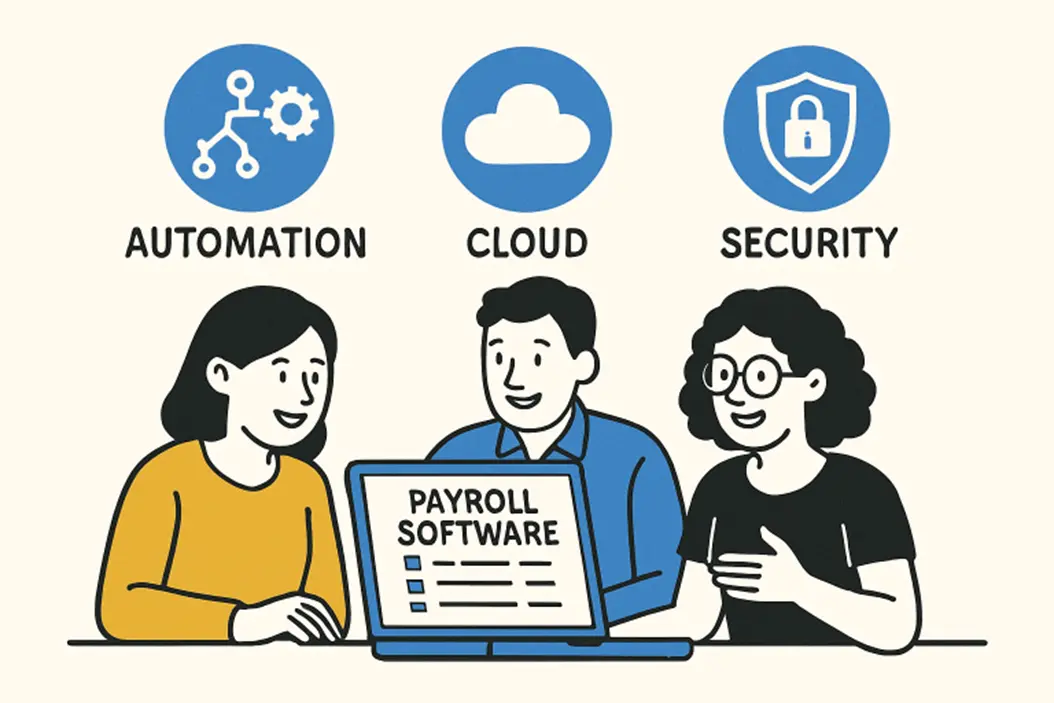
    Managing payroll remains one of the most complex and time-consuming tasks for small businesses, particularly because they often operate with very limited resources, budgets, and personnel. Every pay period brings with it a series of important deadlines and critical calculations, from tracking employee hours and calculating overtime to deducting taxes and staying abreast of compliance rules. The evolution of digital solutions, especially cloud-based payroll software for small businesses, is revolutionizing how small teams manage payroll. These tools automate tedious processes, embed smarter compliance features, and are far easier to access than traditional manual methods, helping small business owners and HR professionals save valuable time while significantly reducing costly errors. As digital adoption grows, small businesses are poised to compete more effectively by leveraging these new efficiencies.

    Adopting digital payroll systems is more than just a matter of convenience; it’s increasingly a strategic necessity for survival and success in today’s fast-moving business landscape. Streamlined payroll procedures not only save time and money but also contribute to improved employee satisfaction and retention, as staff benefit from timely payments and transparent record-keeping. Digital payroll also provides scalable solutions that can be easily adapted as teams expand, eliminating the need for repeated workflow overhauls. For small companies, the right technology can mean the difference between growth and stagnation. This article outlines the major advantages of this technological shift and explores how small businesses can benefit from the digital payroll revolution.

    Time-Saving Automation

    Manual payroll processing is not only repetitive but also demands a high level of accuracy, which can be resource-draining for small businesses. Employees or business owners end up spending hours on data entry, manual calculations, and chasing paperwork, all of which divert attention from growth-driving activities. Digital payroll tools can automate core payroll tasks such as calculating regular and overtime hours, automatically applying statutory deductions, and processing different pay rates for various job roles. As highlighted by the U.S. Small Business Administration, manual payroll systems take, on average, over six hours per month for even the smallest companies. Digital solutions can free up as much as 90 percent of that time, allowing small teams to focus on serving their customers and improving their businesses. With workflows set to run automatically and reminders in place, managers no longer have to worry about missing deadlines or making calculation mistakes due to fatigue or human error.

    Error Reduction and Compliance

    Errors in payroll can have serious consequences, from disgruntled employees to expensive penalties imposed by tax authorities. Manual efforts can easily lead to unintentional mistakes, such as misapplied deductions or miscalculations of overtime. Automated payroll tools address these challenges by incorporating built-in compliance checks and real-time updates to tax laws, reducing the possibility of errors and subsequent regulatory fines. These advanced platforms use intelligent algorithms to ensure that every payroll run is accurate, taxes are correctly withheld, and compliance requirements are met seamlessly in the background. This technology offers invaluable peace of mind to small business owners who cannot afford the time or resources to keep pace with frequent changes in employment or tax laws. With the ongoing integration of new technologies, payroll data accuracy is now higher than ever before, thanks to fewer manual interventions and more reliable audit trails.

    Cloud-Based Flexibility

    Cloud-based payroll systems represent a significant leap forward in terms of flexibility and accessibility for small businesses. Unlike legacy systems that require installation on specific devices or on-site servers, cloud-based solutions allow managers and payroll administrators to access information from virtually anywhere with an internet connection. This competency is particularly valuable for businesses with remote or hybrid teams, where employees and administrators might be distributed across different locations or even working in different time zones. With cloud access, tasks like running payroll, approving timesheets, or generating reports can be handled without being tied to a physical office, giving leaders the freedom to focus on business strategy rather than logistics. As teams grow, cloud payroll solutions also offer unparalleled scalability, expanding seamlessly as new employees are onboarded, all without extra hardware or major upgrades. Cloud providers typically manage security updates and system maintenance, eliminating the need for in-house IT expertise or costly infrastructure investments, which is especially advantageous for small organizations.

    Integration with Other Business Systems

    One of the hallmarks of modern payroll technology is its ability to integrate effortlessly with a range of other business systems, including accounting software, HR management tools, and time-tracking platforms. Seamless integration helps eliminate the risk of redundant data entry, which is not just time-consuming but also a common source of mistakes. Instead, payroll and financial data can be automatically synchronized across platforms, enabling real-time insights into business finances and supporting better decision-making. For example, solutions like the integration between Wave and Check provide full-service payroll features that work directly within an organization’s existing accounting platform, creating a single source of truth for financial data and helping more than 300,000 small businesses achieve greater accuracy and convenience. This interconnectedness not only boosts efficiency but also unlocks deeper analytical capabilities, allowing business owners and managers to get actionable insights into labor costs, trends, and cash flow at a glance.

    Employee Self-Service Portals

    Today’s digital payroll platforms give employees unprecedented access to their payroll and HR information through user-friendly self-service portals. These tools allow staff members to view and download pay stubs, annual tax forms, and benefits statements independently, without relying on HR for every update or request. Self-service functionality also enables employees to keep their personal details up to date, reducing the workload on small HR teams and minimizing the risk of outdated information causing payroll errors. Mobile applications further enhance accessibility, giving team members instant, secure access to payroll data from their smartphones or tablets, whether they’re in the office, at home, or on the move. This level of transparency improves employee trust and satisfaction, creating a more engaged workforce that feels empowered and informed about their compensation.

    Cost Efficiency

    For small businesses, controlling operating costs is a fundamental priority. Investing in reliable payroll software provides substantial long-term savings by reducing the risk and frequency of manual errors, avoiding penalties for late or incorrect filings, and reducing unnecessary labor hours tied to repetitive processes. Many digital payroll providers offer tiered pricing models, allowing even the smallest organizations to access powerful payroll features that were once out of reach. These cost-effective services scale as businesses grow, making it easy to add new employees without unpredictable expenses. For most small businesses, the return on investment is realized quickly, as streamlined processes lead to both fewer mistakes and improved productivity. By using digital tools to handle time-consuming tasks, valuable staff hours can be redirected to higher-value business activities that support further growth.

    Enhanced Security

    Payroll data is among the most sensitive information any business stores, containing details about employee compensation, tax IDs, and bank information. Protecting this data from cyber threats, data breaches, and even internal misuse is essential for legal compliance and maintaining employee trust. Digital payroll platforms are equipped with enterprise-grade security features, including end-to-end encryption, advanced user access controls, multi-factor authentication, and continuous automatic data backups. These safeguards ensure that only authorized individuals have access to confidential payroll records and minimize the risk of data loss through human error or technical failures. Security-focused design also helps businesses comply with increasingly strict data privacy laws, giving business owners confidence that their employee and financial data are protected at every step.

    Conclusion

    Digital payroll solutions have fundamentally changed the game for small teams, replacing time-consuming manual efforts with automation, accuracy, and better workforce experiences. From minimizing costly errors and staying on the right side of tax laws to unlocking flexibility for distributed workforces and protecting sensitive information with advanced security, few aspects of payroll management haven’t benefited from digital transformation. By embracing these easy-to-use technologies, small businesses can align their payroll processes with broader business goals and free up resources to focus on innovation and growth. Ultimately, digital payroll tools enable small business owners to keep their people happy, make better financial decisions, and thrive in a competitive, ever-evolving marketplace.

    Also Read-Marketing for Business Growth

  • How to Build Lasting Financial Habits for Lifelong Stability: A Practical, Data‑Driven Guide

    How to Build Lasting Financial Habits for Lifelong Stability: A Practical, Data‑Driven Guide

    Developing strong financial habits is one of the most effective ways to achieve lifelong stability and peace of mind. Whether you’re trying to break debt cycles, grow savings, or plan for retirement, actionable routines are the difference between stress and confidence. For many individuals seeking deep, structured guidance, Dow Janes offers a clear path with practical frameworks that help people build systems that last because successful habits are based on behaviors anchored in evidence, consistency, and intentional design.

    In this guide, we’ll go beyond slogans and surface tips to show you exactly how habits form, how to embed them into your financial life, and how to maintain them even when life changes. You’ll walk away with clear, research‑backed strategies that apply from your first paycheck to major milestones like buying a home or preparing for retirement.

    What Financial Habits Really Mean

    Ultimately, financial habits are patterns of behavior that determine how you interact with your money, what you spend, save, plan, and prepare for. But understanding habits is not just about knowing your credit card balance; it’s about recognizing the patterns that either accelerate or undermine your goals.

    For example, a person who habitually logs every transaction at the end of the day becomes more aware of spending trends without judgment or stress. Someone who consistently reviews their budget every Sunday night establishes a rhythm in which intentional choices replace reactive decisions. This is why authorities like Dow Janes emphasize that habits are systems rather than one‑off actions. The focus is on repetitive behavior that quietly compounds over time.

    Strong financial habits have three key characteristics:

    1. Trigger: A cue that starts the behavior (e.g., every payday).
    2. Routine: The action itself (e.g., transfer to savings).
    3. Reward: The positive outcome that reinforces the behavior (e.g., peace of mind, visible progress).

    Recognizing and designing each element ensures you’re not just trying to do better, you’re actually building a system that delivers.

    The Science Behind Habit Formation

    Understanding the psychology behind habit formation gives you a major advantage. Research shows that habits form through repetition and consistent environmental cues. A study published in the European Journal of Social Psychology found that, on average, it takes about 66 days for a behavior to become automatic, though the range varies by person and behavior complexity.

    This research highlights two essential truths:

    • Consistency beats intensity: Small, daily actions are far more effective than sporadic deep dives.
    • Context matters: Clear, consistent triggers help your brain recognize and lock in the new behavior.

    That’s why experts like Dow Janes encourage habit design that fits naturally into your existing routines. For instance, if you enjoy making a cup of coffee every morning, use that moment to initiate a daily financial review, even if it’s just checking your balance or categorizing one transaction. Over time, these small actions reduce friction and lower the cognitive load required to maintain momentum.

    Effective habit design also involves celebrating wins, even tiny ones. By rewarding yourself (with internal satisfaction or progress visualization), you reinforce the behavior loop and increase the likelihood that the habit will endure.

    Structure Your Financial Life with Practical Routines

    Now that you understand the “why,” let’s focus on the “how.” Structuring your financial life with practical routines makes it easier to build financial habits.

    Daily Routines

    Daily spending check‑ins keep you aware without overwhelming you. Spend a few minutes each day reviewing what you spent the day before, then categorize transactions using a budgeting tool like Mint, which offers real‑time visibility into spending categories. Regularity builds clarity, and clarity reduces anxiety.

    Weekly Reviews

    Use a consistent weekly time slot to:

    • Update your budget projections
    • Review progress toward savings goals
    • Set micro‑goals for the upcoming week

    Weekly reviews help you catch trends early and make small adjustments before minor issues become major problems.

    Monthly Audits

    Every month, take a deeper look at your financial picture:

    • Reconcile accounts and categorize all transactions
    • Confirm automated savings contributions have posted
    • Adjust budget categories based on real spending

    Monthly audits act as a financial compass, keeping you aligned with long‑term objectives while reinforcing strong habits.

    Automations and Tools That Support Behavior Change

    One of the most powerful ways to build habits is through automation, which removes the reliance on willpower. Once your actions become automatic, your future self benefits without real effort.

    Automatic Savings

    Set automated transfers from your checking account into dedicated savings or investment accounts on payday. This “pay yourself first” approach ensures that savings isn’t an afterthought; it becomes a default behavior.

    A Federal Reserve report shows that individuals who automate savings are significantly more likely to maintain emergency funds, as automation reinforces consistency and reduces decision fatigue.

    Smart Budgeting Tools

    Using technology simplifies tracking and makes habits more sustainable. Tools like You Need a Budget (YNAB) help you assign every dollar a purpose, making spending conscious instead of chaotic. Seeing your progress visually, whether through charts or weekly summaries, reinforces the habit loop with immediate feedback.

    Overcoming Common Financial Habit Barriers

    Even well‑structured routines and tools can be derailed by psychological barriers. Here’s how to address common challenges.

    Barrier: Willpower Fatigue

    Relying solely on willpower is a losing strategy. Fatigue sets in quickly, and old patterns resurface. Instead, anchor your habits to stable environmental cues so the behavior becomes automatic. For instance, tie logging expenses to a daily coffee routine.

    Barrier: Emotional Spending

    Impulse purchases often stem from emotions rather than rational decisions. Implement a 24‑hour rule for non‑essential purchases to give yourself space to decide, reducing regret and reinforcing mindful habits.

    Barrier: Inconsistent Monitoring

    Skipping weeks of monitoring makes it easy to lose sight of your trends. Use calendar reminders or habit trackers to maintain consistency. It’s a small investment that pays ongoing dividends.

    Adapting Habits to Major Life Transitions

    Life changes, such as a new job, a move, or family growth, can disrupt financial systems. But strong habits are adaptable.

    Strategy: Reground Instead of Reinvent

    Rather than abandoning core practices, adjust them to fit your new context. If your income changes, update your budget categories and savings targets accordingly.

    Connect to New Routines

    The first days of change bring new rhythms; use them. For example, if your commute changes, shift daily financial check‑ins to another time of day, like after dinner or before bed. Consistent anchors make habits retrievable across contexts.

    Conclusion

    Lasting financial stability doesn’t come from rare bursts of discipline; it comes from well‑designed systems and routines that become automatic over time. By leveraging consistent daily check‑ins, structured weekly reviews, automated savings, and research‑based habit design, you build financial resilience that withstands changes and challenges.

    Throughout this journey, turning to structured guidance from brands like Dow Janes can help reinforce systems and provide ongoing clarity as you refine your financial habits. With deliberate practice, supportive tools, and a growth mindset, you can turn financial goals into realities that last a lifetime.

    Also Read

  • How Digital Platforms Are Reducing Complexity in Regulatory Compliance

    How Digital Platforms Are Reducing Complexity in Regulatory Compliance

    Navigating regulatory compliance has always been a challenging task for businesses and organizations. With constantly evolving rules, intricate reporting requirements, and the risk of hefty penalties, staying compliant can feel overwhelming. Traditionally, managing compliance involved extensive manual processes, multiple spreadsheets, and a heavy reliance on human oversight. This complexity often slowed decision-making and increased the risk of error.

    In recent years, digital platforms have emerged as a powerful tool to streamline these processes, offering automated workflows, real-time monitoring, and centralized documentation. For instance, entities governed by NERC must adhere to strict reliability and reporting standards, and digital solutions can simplify tracking these requirements. By consolidating data, generating alerts, and providing clear audit trails, these platforms reduce the administrative burden and help organizations focus on core operations rather than constantly navigating regulatory intricacies.

    The Challenge of Regulatory Compliance

    The regulatory landscape becomes more complex every year. Financial services firms must navigate Dodd-Frank, SOX, and international standards. Technology companies handle GDPR and CCPA. Healthcare and energy industries face specific mandates. Compliance costs are increasing too.

    The complexity of the rules is only part of the issue. Many compliance teams manage dozens of requirements across different jurisdictions, and regulations can change rapidly. A lack of centralization creates silos, increases human error, and delays responses to new rules and regulations.

    Centralizing Compliance Data

    Digital platforms confront these issues by consolidating compliance documents, regulatory updates, operational policies, and audit trails within a single, secure environment. Centralization helps ensure all stakeholders, from the C-suite to department leads, have access to the most up-to-date regulations at their fingertips. This accessibility shapes a culture of accountability, where everyone can see the full compliance picture.

    When compliance knowledge is spread out across email chains, paper files, or disconnected drives, businesses face bottlenecks and inconsistencies. Digital platforms resolve these pain points by standardizing documentation and tracking regulatory changes in a centralized location, reducing oversights and improving audit readiness.

    Automating Compliance Processes

    Manual compliance tasks are both tedious and error-prone. By automating repetitive tasks, such as assigning policy reviews, tracking due dates, and flagging expired documents, digital platforms help organizations save hours of staff time. Automation also lowers the risk of costly mistakes.

    In addition, compliance automation is scalable. As business grows, or as the regulatory environment shifts, these platforms can handle the expanded workload without the need to continually hire or train new compliance staff. Digital workflows, approvals, and notifications not only maintain oversight but also empower teams to focus on risk areas that need human judgment.

    Real-Time Monitoring and Alerts

    The days of quarterly compliance checks are fading fast. Digital compliance solutions now feature real-time monitoring and instant alerts, allowing organizations to adapt procedures as soon as regulations are updated. These platforms monitor regulatory changes and alert users to relevant updates, ensuring compliance actions remain timely.

    This proactive approach is essential for industries that face frequent regulatory changes. Companies gain a significant advantage by staying continuously updated and prepared rather than playing catch-up after changes have already taken effect. Automated notifications help compliance officers and leadership stay on the same page, facilitating quicker action and better risk management.

    Integration with Existing Systems

    The most effective digital compliance solutions do not operate in isolation. Instead, they integrate seamlessly with enterprise applications such as ERP, CRM, and document management systems. This allows compliance expectations to be built directly into the workflow. Instead of treating compliance as a parallel process, it becomes embedded in daily business activities.

    Integration significantly reduces duplication of effort. Data entered in one system can be automatically checked against compliance criteria in another, creating a unified compliance ecosystem. This approach boosts efficiency, eliminates inconsistencies, and makes it easier for companies to maintain an auditable trail of compliance activities over time.

    Cost Savings and Efficiency Gains

    One of the greatest benefits of digital compliance is its impact on the bottom line. Automated monitoring and reporting reduce the resources required for manual review and lower the ongoing compliance costs. According to industry benchmarks, tools that support SOX compliance can cut program costs in half, while automated quality assurance measures reduce process expenses by over a third.

    These savings are not just a one-time windfall. They free up capital for innovation, business development, or investment in other risk-mitigation efforts, helping organizations remain competitive while still fulfilling rigorous regulatory obligations.

    Conclusion

    Modern regulatory compliance requires more than knowledge of the rules. It demands sophisticated, responsive, and accessible tools to manage them. Digital compliance platforms provide this capability by centralizing intelligence, automating tasks, and continually monitoring regulatory shifts in real time. Integrated with current business operations, these platforms not only cut costs and reduce risk but also foster a proactive compliance culture that benefits organizations now and into the future.

    Also Read