Category: Health

  • Why Preventive Health Strategies Are Gaining Popularity

    Why Preventive Health Strategies Are Gaining Popularity

    Introduction

    In recent years, preventive health strategies have moved to the forefront of healthcare discussions. Individuals and healthcare systems alike are recognizing the value of proactive care that focuses on early detection and lifestyle interventions instead of waiting for serious problems to arise. This shift is changing how people of all ages and backgrounds approach wellness and disease management. As part of this movement, regular functional blood testing is increasingly recommended, since it offers detailed insights into individual health and helps guide tailored preventive plans.

    Preventive health emphasizes keeping people healthy by reducing risks and catching illnesses at the earliest, most treatable stages. The benefits include improved quality of life for individuals and reduced healthcare spending at the population level. By embracing these strategies, communities can address chronic illnesses more effectively and lower overall disease burdens.

    As more families, employers, and policymakers commit to prevention, the range of available preventive services continues to expand. This includes screening tests, vaccinations, personalized health recommendations, and digital health monitoring. Education efforts by public health organizations have made the benefits of prevention more widely understood, motivating greater participation in regular health assessments.

    Key Drivers of Preventive Health Adoption

    • Rising Healthcare Costs: Chronic illnesses like diabetes, heart disease, and cancer are expensive to treat once they are advanced. Preventive care helps catch these issues early or avoid them entirely, laying the groundwork for a more sustainable healthcare system.
    • Advancements in Technology: Tools such as wearable devices and telemedicine platforms enable patients and doctors to continuously monitor health, supporting early interventions and personalized recommendations.
    • Increased Health Awareness: Educational outreach from government and nonprofit groups has raised awareness of healthy lifestyle habits, early cancer screenings, and vaccine benefits, leading to better disease prevention at the community level.

    Technological Innovations Enhancing Preventive Care

    • Telemedicine: Virtual healthcare visits remove transportation and geographic barriers, enabling people to access care sooner and more frequently, particularly in rural or underserved areas.
    • Wearable Devices: Fitness trackers, smartwatches, and other wearables now monitor vital signs, activity levels, sleep, and more. With real-time feedback, users can make informed choices about daily habits that affect long-term health.
    • Artificial Intelligence: AI-driven tools can sift through large volumes of health data to identify patterns and predict diseases before symptoms appear, helping doctors quickly design more targeted prevention plans.

    Personalized Medicine and Genomic Testing

    • Genomic Testing: By decoding an individual’s genetic profile, health professionals can assess risk for certain diseases and recommend specific behavioral or medical steps to prevent them.
    • Precision Medicine: This approach tailors therapies and preventive measures according to unique genetic and environmental factors, optimizing outcomes for each person rather than relying on broad, generalized guidelines.

    Role of Employers in Promoting Preventive Health

    • Workplace Wellness Programs: Employers are increasingly investing in wellness incentives, healthy cafeteria meals, on-site fitness options, and educational seminars to encourage employees to make healthier choices.
    • Health Screenings: Routine screenings offered at work, such as blood pressure checks or cholesterol measurements, enable early identification of risk factors and timely interventions.
    • Mental Health Support: Progressive employers are expanding benefits to include stress management resources and counseling services, understanding that mental well-being is an integral part of overall preventive health. This can help reduce absenteeism and increase productivity.
    • Flexible Work Arrangements: Offering remote work options and flexible scheduling can help employees better manage work-life balance, ultimately reducing stress, supporting healthier behaviors, and improving long-term health outcomes.

    Challenges in Implementing Preventive Health Strategies

    • Access Disparities: Socioeconomic, geographic, and insurance-related obstacles still prevent some populations from receiving regular preventive care. Health equity remains a significant challenge requiring policy interventions.
    • Awareness Gaps: Not everyone knows which preventive services are available or covered by insurance. Communication barriers and mistrust in the healthcare system can also limit participation.
    • Provider Shortages: A shortage of primary care physicians, especially in rural and underserved urban areas, can make it harder for individuals to access routine preventive care. Investing in healthcare infrastructure and training is crucial to closing this gap.
    • Cultural Barriers: Cultural norms and beliefs can influence willingness to participate in certain screenings or preventive services. Culturally competent outreach and education are vital for increasing uptake and relevance of strategies.

    Future Outlook

    Looking ahead, preventive health strategies are poised to become even more effective and widespread as technological advances and data-driven methods continue. Efforts by public health agencies, insurers, employers, and community organizations will help overcome challenges related to access and awareness. Collaboration at every level of society is essential for making comprehensive preventive care more accessible and affordable.

    As innovations such as AI-driven diagnostics, home-based health testing, and personalized medicine take root, the expectation is that breakthroughs will make prevention an integral part of daily life for an increasing number of people worldwide.

    Additionally, there is ongoing momentum for legislative and regulatory reforms to expand insurance coverage for preventive services and reduce out-of-pocket costs for patients. Such policy changes can drive broader participation and make preventive health a foundational part of national public health strategies. Community health initiatives, partnerships between local governments and private organizations, and educational campaigns are also likely to play a bigger role.

    Final Thoughts

    Preventive health strategies are gaining popularity because they work, offering better outcomes for individuals and more efficient use of healthcare resources overall. By investing in preventive care methods, communities and healthcare systems can reduce long-term medical costs and promote healthier, more productive lives for all. Proactive, tailored, and technology-enabled approaches will continue to drive this important transformation in how we think about wellness and disease prevention.

    Ultimately, embracing preventive health means reimagining healthcare as a long-term partnership between individuals, providers, and communities. With continued innovation and widespread commitment, it is possible to create a future in which more people can avoid preventable diseases and live healthier, fuller lives for years to come.

    Also Read

  • Senior Safety at Home and on the Road 

    Senior Safety at Home and on the Road 

    Most safety problems do not start with one dramatic event. They start with smaller changes that are easy to brush off at first. A parent may begin hesitating at busy intersections. Another may grab the wall on the way to the bathroom at night. These moments can seem minor on their own, but they often point to a bigger pattern. When senior safety at home and on the road becomes part of daily life, it helps to look at both driving and fall risk together. Many families end up facing both at once, which is why it helps to understand the warning signs it may be time to stop driving with dementia and practical home safety tips for seniors with chronic vertigo before something more serious happens. 

    The goal is not to take freedom away. The goal is to protect it for as long as possible. A few changes made early can lower stress, reduce risk, and make daily life feel more manageable for everyone involved. 

    The First Clues Are Usually Easy to Miss 

    Loss of safety rarely announces itself clearly. It shows up in routines. Someone takes longer to get home from a familiar store. They stop using the stairs unless someone is nearby. They start avoiding driving after dark, or they move more slowly in the shower because they no longer feel steady. 

    These changes matter because they affect confidence as much as safety. Once an older adult starts feeling unsure in the car or unsteady at home, everyday tasks can become harder than they used to be. That is often when family members notice tension rising. A loved one wants to stay independent, while the family starts worrying about what could go wrong. 

    Pay attention to patterns, not just one-off moments. One rough day may not mean much. Repeated confusion repeated near-falls, or repeated fear around normal routines usually does. 

    What Raises Risk in Daily Life 

    There is not always one cause behind a safety problem. More often, several factors build on each other. 

    Medication side effects are a common example. Some medicines can cause dizziness, drowsiness, or slower reaction time. Vision changes also matter. Trouble seeing clearly at night or judging distance can affect both driving and walking through the home. Strength and balance play a role too, especially when an older adult starts standing up more slowly or needs extra support to turn. 

    Cognitive changes can add another layer. Trouble processing new information, reacting quickly, or staying calm in unexpected situations can make once-familiar tasks harder. That is why safety conversations should look at the full picture, not just one symptom. 

    When families step back and look at health, mobility, and routine together, the next steps often become easier to see. 

    How the Home Starts Working Against Someone 

    A home that felt easy to move through ten years ago may not feel safe now. Poor lighting, loose rugs, low furniture, and cluttered pathways can turn everyday movement into a steady source of risk. 

    Bathrooms often need attention first. Wet floors, low toilets, and awkward tub entries can be difficult even for someone with mild balance issues. Hallways and bedrooms matter too, especially at night. If a person wakes up dizzy or tired, even a short walk to the bathroom can become unsafe. 

    This is where small fixes can make a real difference. Better lighting, grab bars, non-slip mats, and clear walking paths are simple changes, but they support confidence. If dizziness or spinning sensations are part of the picture, families should also think through home safety tips for seniors with chronic vertigo, especially in bathrooms, stairways, and nighttime walking areas. 

    Safer spaces do more than prevent falls. They help older adults keep doing things for themselves with less fear. 

    When Driving Stops Feeling Routine 

    Driving often carries more emotion than families expect. It is tied to pride, privacy, and a normal life. That is one reason these conversations are delayed. People wait for a clear sign, even though the signs are often there much earlier. 

    An older adult may begin missing turns, reacting late at lights, or feeling overwhelmed by busy roads. They may come home upset after driving, even if they do not want to talk about why. In some cases, family members notice new dents on the car or hear about getting lost on a familiar route. 

    The issue is not whether someone has driven safely for years. The issue is whether the skills needed today still match the risks on the road. When memory, focus, or judgment start to shift, it helps to understand the warning signs it may be time to stop driving with dementia before a close call turns into something worse. 

    That does not always mean driving has to stop the same day. Sometimes the better next step is limiting driving to daylight hours, avoiding bad weather, scheduling a medication review, or planning easier routes. Still, families should not wait for a frightening event before making a plan. 

    Talk About Safety Before It Turns into a Fight 

    Many hard conversations go badly because they start too late. By then, fear and frustration have already taken over. 

    It helps to start with specific observations. Mention what you have noticed rather than making broad statements. Say that the stairs seem harder lately, or that recent driving has looked more stressful. That feels very different from telling someone they are no longer safe or capable. 

    Keep focusing on support. Most people respond better when the conversation stays grounded in comfort, dignity, and routine. They want to know what happens next. They want to know how they will still get groceries, make appointments, or visit people they care about. 

    For some families, the most helpful first step is talking through new driving limits. For others, it means changing the home setup, so everyday movement feels less risky. Either way, planning helps lower the temperature of the conversation. 

    Build a Simple Plan That Covers Both Home and Transportation 

    Families often handle safety one problem at a time. That can leave gaps. A better approach is to build one practical plan that covers both the house and mobility outside of it. 

    Start with the places and routines that carry the most risk. That may include the bathroom, stairs, front entry, or trips to medical appointments. Then look at what support would make those moments easier. In some homes, that means grab bars and brighter lights. In others, it means a backup ride schedule, grocery delivery, or help with errands. 

    The strongest plans are simple. They answer a few basic questions. What parts of the home need to change this month? What driving limits make sense right now? Who can help with rides if needed? What symptoms should prompt a medical review? 

    When a loved one begins showing cognitive or balance-related changes, it helps to have a plan for both transportation and the home environment. Looking at driving concerns and fall hazards together often makes the next step feel clearer and less overwhelming. 

    FAQ 

    What are the first signs an older adult may have safety risks at home or on the road? 

    Early signs often include slower movement, more hesitation, getting lost on familiar routes, near-falls, new anxiety during daily tasks, or needing extra support with stairs and bathrooms. 

    How can families reduce fall risk at home quickly? 

    Start with lighting, clear walkways, bathroom support, and non-slip surfaces. Focus first on the areas used every day, especially bathrooms, hallways, bedrooms, and stairs. 

    When should a family talk about driving safety? 

    Have a conversation when patterns start showing up, not after a serious incident. Repeated confusion, close calls, fear while driving, or new car damage are strong reasons to talk sooner. 

    Can medication or vision changes affect both falls and driving? 

    Yes. Dizziness, drowsiness, blurred vision, and slower reaction time can raise the risk of both a fall at home and a problem behind the wheel. 

    What is the best way to protect independence while improving safety? 

    Make changes early, keep routines in place where possible, and offer alternatives instead of only restrictions. A clear plan often protects independence better than waiting for a crisis. 

    Key Takeaway 

    Safety changes often show up quietly first, then build over time. Looking at the home and the road together helps families catch problems earlier and respond with less fear. A few thoughtful adjustments can protect dignity, lower stress, and make everyday life safer. The best time to plan is before one hard moment forces the decision. 

    Also Read-How to Build Lasting Financial Habits for Lifelong Stability: A Practical, Data‑Driven Guide

  • 5 Training Prep Habits That Support Consistency

    5 Training Prep Habits That Support Consistency

    Consistency is one of the most important factors in long‑term fitness progress. While motivation can fluctuate, preparation habits create structure and reliability that help you show up even on challenging days. These habits support physical readiness, mental focus, and smoother transitions into each workout. By building a routine that prepares your body and mind before training, you create a foundation that makes consistency easier to maintain over time.

    Establish a Predictable Pre‑Training Routine

    A predictable routine helps signal to your body and mind that it is time to train. This routine does not need to be elaborate. Simple steps such as changing into workout clothes, filling a water bottle, or reviewing your training plan can create a sense of structure.

    These cues help reduce decision fatigue, which is one of the biggest obstacles to consistency. When your routine becomes automatic, you spend less time debating whether to work out and more time getting started. Over time, this predictability builds momentum and strengthens your commitment to regular training.

    Prepare Your Fuel and Hydration Ahead of Time

    Fueling properly before a workout supports energy, focus, and performance. Preparing your meals and snacks ahead of time helps ensure that you are ready to train without scrambling for food at the last minute. A balanced combination of carbohydrates and protein provides steady energy and supports muscle function.

    Hydration is equally important. Drinking water consistently throughout the day helps maintain fluid balance and prevents fatigue during training. Some individuals also incorporate a muscle restoration supplement into their routine to support recovery and readiness, depending on their goals and preferences. When nutrition and hydration are planned in advance, workouts feel smoother and more sustainable.

    Set Clear, Realistic Goals for Each Session

    Clear goals help anchor your training and give each session a sense of purpose. These goals do not need to be complicated. They can be as simple as improving form, increasing reps, or maintaining steady effort throughout the workout.

    Setting realistic goals helps prevent frustration and supports long‑term consistency. When goals are achievable, you build confidence and maintain motivation. Tracking progress over time also helps reinforce your commitment and provides a sense of accomplishment that encourages you to keep showing up.

    Organize Your Training Environment

    A well‑organized training environment reduces distractions and helps you transition into your workout more efficiently. Whether you train at home or in a gym, preparing your space ahead of time makes it easier to stay focused.

    At home, this may involve setting out equipment, clearing space, or choosing a playlist that supports your energy. In a gym setting, planning your workout in advance helps you move confidently from one exercise to the next without hesitation. When your environment supports your goals, it becomes easier to maintain consistency and stay engaged throughout your session.

    Prioritize Recovery to Support Tomorrow’s Training

    Consistency is not only about showing up today. It is also about preparing your body to show up again tomorrow. Recovery habits such as stretching, mobility work, adequate sleep, and balanced nutrition help your body repair and rebuild between sessions.

    When recovery is neglected, fatigue and soreness can accumulate, making it harder to stay consistent. Incorporating small recovery practices into your daily routine helps maintain energy levels and reduces the risk of injury. This preparation ensures that your body feels ready for each workout, supporting long‑term adherence to your training plan.

    Conclusion

    Training prep habits such as establishing routines, planning fuel and hydration, setting clear goals, organizing your environment, and prioritizing recovery all contribute to greater consistency. When these habits become part of your daily rhythm, they help create a stable foundation that supports long‑term progress and a more enjoyable training experience.

    Also Read

  • Telemedicine for Families: Convenient Care at Your Fingertips

    Telemedicine for Families: Convenient Care at Your Fingertips

    In today’s fast-paced world, finding time to visit a doctor’s office can feel like an impossible task — especially for busy families juggling work, school, and everything in between. Telemedicine has emerged as a game-changing solution, bringing quality healthcare directly into your home. Whether your child wakes up with a fever on a school morning or you need a quick prescription refill, virtual care makes it easier than ever to get the help you need without the waiting room.

    What Is Telemedicine?

    Telemedicine refers to the delivery of healthcare services through digital communication technologies — video calls, phone consultations, or secure messaging platforms. It allows patients to connect with licensed physicians, specialists, and other healthcare professionals from virtually anywhere. What was once considered a convenience for tech-savvy individuals has now become a mainstream healthcare option embraced by millions of families worldwide.

    Why Families Are Turning to Telemedicine

    Families have unique healthcare demands. With multiple members of varying ages — from toddlers to grandparents — the need for accessible, flexible, and affordable care is constant. Here’s why telemedicine is resonating so strongly with modern families:

    Unmatched Convenience Gone are the days of rearranging your entire schedule for a 15-minute appointment. Telemedicine lets you consult with a doctor during your lunch break, after the kids go to bed, or even from the car. No commuting, no waiting, and no disruption to your daily routine.

    Faster Access to Care In traditional healthcare settings, waiting weeks for an appointment is common. Telemedicine platforms often provide same-day or next-day availability, ensuring your family gets timely attention when symptoms arise. Platforms like Vosita are helping bridge this gap by connecting patients with qualified providers quickly and efficiently, making healthcare more accessible for everyone.

    Cost-Effective Solutions Virtual visits are frequently more affordable than in-person consultations. With lower overhead costs, many telemedicine providers pass the savings on to patients. For families without comprehensive insurance or those with high deductibles, this can make a significant difference in healthcare spending.

    Reduced Exposure to Illness Sitting in a waiting room full of sick patients is a risk most parents would rather avoid. Telemedicine eliminates that exposure entirely — a crucial benefit during cold and flu season or times of community health outbreaks.

    Common Health Issues Telemedicine Can Address

    One of the most common misconceptions about telemedicine is that it’s only suitable for minor ailments. In reality, virtual care can effectively manage a wide range of health concerns for families, including:

    • Colds, flu, and respiratory infections — Symptoms can be assessed and treatment plans prescribed quickly.
    • Allergies and skin conditions — Rashes, eczema, and allergic reactions are often diagnosable via video.
    • Mental health support — Therapy and counseling sessions are increasingly popular through telehealth platforms, offering privacy and comfort from home.
    • Chronic disease management — Conditions like diabetes, hypertension, and asthma can be monitored and managed with regular virtual check-ins.
    • Pediatric consultations — Parents can get expert advice on childhood illnesses, developmental concerns, and vaccinations.
    • Prescription renewals — Routine medications can often be reviewed and renewed without a physical visit.

    Telemedicine and Children: What Parents Should Know

    Parents are often the first responders when a child falls ill, and telemedicine puts expert pediatric guidance at their fingertips around the clock. Most virtual care platforms are equipped to handle common childhood health issues and can advise on everything from ear infections to behavioral concerns.

    However, it’s important to remember that telemedicine is not a replacement for emergency care. Situations involving severe injuries, difficulty breathing, chest pain, or any life-threatening condition require an immediate visit to the emergency room or a call to emergency services.

    For non-emergency situations, though, telemedicine can save parents hours of stress and uncertainty — providing clear, professional guidance when it’s needed most.

    How to Get Started with Telemedicine

    Making the switch to virtual healthcare is simpler than many families expect. Here’s a straightforward approach to getting started:

    1. Choose a Reputable Platform Research telemedicine services that are licensed in your state or country and staffed by board-certified providers. Look for platforms that offer family plans, multilingual support, and coverage for a broad range of specialties.

    2. Set Up Your Profile Most platforms will ask you to create profiles for each family member, including basic health history, current medications, and insurance information. Having this ready streamlines every future appointment.

    3. Test Your Technology Ensure your device — whether a smartphone, tablet, or computer — has a working camera, microphone, and stable internet connection. Most platforms have simple onboarding processes to test your setup before your first visit.

    4. Know What to Expect A telemedicine appointment follows a similar structure to an in-person visit. The provider will ask about symptoms, review your health history, and recommend a course of action — which may include a prescription, referral, or follow-up visit.

    The Future of Family Healthcare

    Telemedicine is not simply a temporary fix born out of necessity — it is the future of family healthcare. As technology continues to evolve, virtual care will become even more sophisticated, incorporating tools like AI-powered symptom checkers, remote patient monitoring devices, and seamless integration with electronic health records.

    Families who embrace telemedicine now are positioning themselves to take full advantage of a healthcare system that prioritizes access, efficiency, and personalized care. The traditional model of healthcare — where geography, time, and cost acted as barriers — is steadily giving way to a more inclusive and responsive system.

    Final Thoughts

    The health of your family is your most precious priority, and telemedicine is making it easier than ever to protect it. With the ability to connect with qualified medical professionals from the comfort of your home, families no longer have to choose between convenience and quality care. Whether it’s a routine checkup, a late-night concern, or ongoing management of a chronic condition, virtual healthcare delivers expert support exactly when and where you need it.

    As more families discover the power of telemedicine, the old barriers to healthcare are falling — one virtual visit at a time.

    Also Read

  • 6 Steps to Finding Experienced Oncology Care Providers

    6 Steps to Finding Experienced Oncology Care Providers

    Finding the right oncology care provider is one of the most important decisions a patient can make after receiving a cancer diagnosis. The specialist you choose will guide your treatment, coordinate your care team, and support you through each stage of the journey. Because cancer care often involves complex decisions and long term planning, it is essential to work with professionals who have the experience, resources, and communication style that align with your needs. A thoughtful, structured approach helps ensure that you select a provider who offers both expertise and compassionate support.

    Identify Providers With Specialized Expertise

    Cancer care is highly specialized, and not all oncologists treat every type of cancer. The first step in finding the right provider is identifying specialists who have extensive experience with your specific diagnosis. This may include medical oncologists, radiation oncologists, surgical oncologists, or subspecialists who focus on rare or complex cancers.

    Patients who have a history of reputable asbestos exposure or conditions linked to environmental factors may require providers with additional expertise in occupational or environmental oncology. Reviewing a provider’s background, training, and clinical focus helps ensure that they have the knowledge needed to manage your specific condition effectively.

    Research Treatment Centers and Available Resources

    The quality of care you receive is influenced not only by your oncologist but also by the treatment center where they practice. Comprehensive cancer centers often offer advanced diagnostic tools, multidisciplinary teams, clinical trials, and supportive care services that enhance the overall treatment experience.

    Researching hospitals and cancer centers in your region can help you understand which facilities offer the most robust resources. Many patients benefit from centers that provide integrated care, including nutrition support, counseling, rehabilitation, and survivorship planning. Access to these services can significantly improve comfort and quality of life throughout treatment.

    Evaluate Communication Style and Patient Support

    Clear, compassionate communication is essential in oncology care. Patients should feel comfortable asking questions, discussing concerns, and sharing personal preferences. When evaluating potential providers, consider how they explain treatment options, how thoroughly they address your concerns, and whether they take time to understand your goals.

    A strong provider patient relationship is built on trust and transparency. Look for specialists who communicate in a way that feels supportive and respectful. This includes their willingness to discuss treatment alternatives, explain potential side effects, and collaborate with you in making decisions.

    Consider Multidisciplinary Care Coordination

    Cancer treatment often involves multiple specialists working together to create a comprehensive plan. Multidisciplinary care ensures that each aspect of your treatment is aligned and that all providers communicate effectively. This approach may include surgeons, radiologists, pathologists, oncology nurses, and supportive care professionals.

    When selecting an oncology provider, ask whether they participate in multidisciplinary team meetings or collaborate regularly with other specialists. Coordinated care helps reduce delays, improves accuracy in treatment planning, and ensures that all aspects of your health are considered.

    Review Access to Clinical Trials and Advanced Therapies

    Clinical trials offer access to innovative treatments that may not be available through standard care. Providers who participate in research programs can offer additional options for patients seeking cutting edge therapies. This is especially important for individuals with rare or aggressive cancers, where emerging treatments may provide new opportunities for improved outcomes.

    Reviewing a provider’s involvement in clinical research helps you understand whether they can offer advanced therapies, targeted treatments, or immunotherapy options. Access to these opportunities can be a valuable part of your long term care strategy.

    Seek Recommendations and Patient Feedback

    Recommendations from trusted sources can provide valuable insight into a provider’s reputation and approach to care. Speaking with your primary care physician, other healthcare professionals, or individuals who have undergone cancer treatment can help you identify providers with strong track records.

    Patient reviews and testimonials can also offer perspective on communication style, responsiveness, and overall patient experience. While every patient’s journey is unique, consistent positive feedback can help reinforce your confidence in a provider’s expertise and compassion.

    Conclusion

    Finding experienced oncology care providers involves evaluating expertise, researching treatment centers, assessing communication style, considering multidisciplinary coordination, exploring access to clinical trials, and seeking trusted recommendations. By taking a thoughtful and informed approach, patients can select a provider who offers both advanced medical care and meaningful support throughout their cancer journey.

    Also Read-What Employees Seek in Modern Payroll Benefits

  • Recognizing the Signs: When a Tooth Extraction May Be Necessary

    Recognizing the Signs: When a Tooth Extraction May Be Necessary

    Good oral health is a cornerstone of overall well-being, but there are times when removing a tooth becomes the best option for protecting your smile. Early detection of conditions that call for a tooth extraction is critical for making informed choices about your dental care. If you are uncertain about whether you need a simple or molar extraction, knowing the signs and symptoms can help you take charge of your dental health before complications arise.

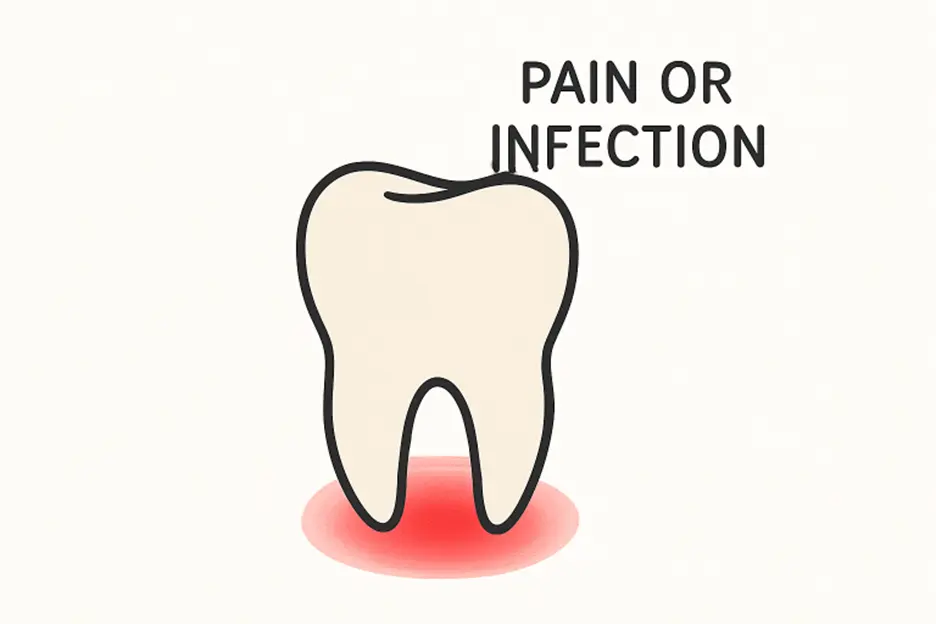
    While common dental treatments can often save teeth, some situations require more decisive action. By recognizing the warning signs, you can prevent further pain or infection and safeguard your oral health. For many patients, regularly scheduled dental appointments serve as the first line of defense against escalating problems.

    Understanding when extraction becomes necessary can help relieve anxiety and enable timely intervention. If discomfort persists or your dentist identifies an issue during a routine checkup, immediate action might help you avoid future complications and support long-term dental stability.

    Persistent Tooth Pain and Sensitivity

    Tooth pain that lingers or worsens when eating or drinking, particularly with hot, cold, or sweet foods, might be more than a minor inconvenience. This kind of discomfort can sometimes signal that severe decay or infection has penetrated deeper layers of the tooth. When less invasive treatments like fillings, crowns, or root canals fail to resolve the problem, the only solution may be extraction. Dentists at Champaign Dental emphasize that prompt assessment is essential to prevent more serious dental and health issues. According to the American Dental Association, untreated dental pain should never be ignored, as it can be a sign of a more serious underlying issue.

    Severe Tooth Decay or Damage

    Extensive decay or trauma can sometimes destroy a tooth beyond what restorative dentistry can repair. In these situations, extraction prevents infection from spreading to the surrounding teeth and gums. If restorations like crowns or bonding cannot restore function or aesthetics, removal helps maintain the health of adjacent teeth and the supporting bone. Large cavities that compromise tooth structure, untreated fractures, or failed dental treatments are common scenarios that require removal.

    Advanced Gum Disease

    Gum disease (periodontal disease) is a leading cause of tooth loss among adults. If left untreated, it can erode the supporting tissues and bone, causing teeth to become loose or shift out of position. Advanced gum disease may result in gum recession, deep pockets, and chronic infection, all of which undermine the stability of affected teeth. When tooth mobility becomes severe, extraction is often recommended to restore oral health and prevent further loss. Resources from the American Dental Association provide additional insight into the importance of treating gum disease early.

    Impacted or Overcrowded Teeth

    Some teeth, such as wisdom teeth, can become impacted when there is not enough room in the jaw for them to fully emerge. Impacted teeth may grow at uncomfortable angles, press against other teeth, or remain trapped beneath the gumline, leading to pain, infection, or misalignment. Overcrowded teeth also pose challenges for oral hygiene, as overlapping teeth can trap food and bacteria, raising the risk of decay and gum disease. An extraction can create space and improve bite alignment, making future orthodontic treatment more successful and reducing the chances of future oral health complications.

    Infection or Abscess

    Untreated tooth infections or abscesses can quickly evolve into serious health concerns, including facial swelling and systemic infection. If antibiotics or root canal therapy cannot resolve the infection, extracting the affected tooth may be the safest option. Timely removal prevents the infection from spreading into the jaw, sinuses, or bloodstream. The Mayo Clinic underscores the importance of prompt action when dental infections do not respond to initial treatments, as complications can become life-threatening.

    Consulting with Your Dentist

    Regular dental check-ups are crucial for early detection of dental problems. These visits allow your dentist to spot signs of decay, gum disease, or misalignment before symptoms become severe. If you experience any of the indicators described, schedule an evaluation as soon as possible. A professional assessment ensures you receive the most appropriate treatment and helps you weigh the risks and benefits of extraction versus alternative therapies.

    Preventive Measures

    The best way to reduce the likelihood of needing a tooth extraction is to prioritize prevention. Brush and floss daily, avoid tobacco products, maintain a balanced diet, and visit your dentist for regular cleanings and exams. Early intervention not only preserves your natural teeth but also reduces the need for more involved and costly dental procedures in the future. According to the Cleveland Clinic, preventive dental care is fundamental for long-term oral and overall health.

    Final Thoughts

    Recognizing when a tooth extraction is necessary can make a significant difference in your long-term oral health. By understanding the warning signs, practicing diligent preventive care, and consulting with your dental provider, you can safeguard both your smile and your overall well-being.

    Also Read

  • How to Start a Fulfilling Career in Caregiving

    How to Start a Fulfilling Career in Caregiving

    Embarking on a career in caregiving is a deeply meaningful pursuit, offering not only the chance to earn a living but also an opportunity to make a profound difference in the lives of those who rely on your compassion and support. Caregivers are the backbone of daily care for individuals who need help due to age, chronic illness, injury, or disability. With diverse opportunities available across the country, you can actively seek out caregiver jobs in Centerville, OH, and learn about similar positions in your area as you begin your professional journey. This guide will illuminate the essential steps, considerations, and resources, helping you carve out a rewarding path in the caregiving field and find both personal satisfaction and professional development.

    Caregiving is not only about meeting daily needs; it also fosters meaningful relationships, promotes well-being, and supports personal growth. The profession impacts clients’ lives positively and offers job security as demand rises due to an aging population. Caregivers must improve their skills, maintain professionalism and empathy, and engage in continuous education to adapt to evolving industry standards. Building a supportive network and practicing self-care are vital for success in this career, helping navigate future trends and specialties.

    Understanding the Role of a Caregiver

    Caregivers provide critical assistance to people who need help due to aging, illness, disability, or recovery after a medical procedure. Their primary responsibilities include assisting with daily personal tasks such as bathing, dressing, preparing meals, and mobility. Many caregivers also perform medication reminders, help maintain a safe home environment, and provide transportation to medical appointments or social engagements. Just as important is the emotional support that caregivers offer: being present, listening, and offering encouragement can greatly improve a client’s sense of independence and self-worth. Every client is unique, and successful caregivers are adept at tailoring their approach to each individual’s needs, adapting as conditions change. Developing patience, consistency, and genuine concern for each person’s well-being is fundamental to excelling in this vital role.

    Educational Requirements and Training

    Most entry-level caregiving roles require at least a high school diploma or GED. However, as the field becomes more competitive, it is increasingly advantageous to pursue additional education and job-specific training. Many community colleges, vocational programs, and technical schools offer courses relevant to caregiving, such as basic health care procedures, personal care skills, human development, and communication techniques. Employers may also provide in-house training, especially for roles that involve administering basic medical care or working with specialized populations. Completing courses in first aid, CPR, and infection control not only boosts your confidence but may also be required for certain positions. Continuing your education helps set you apart as a candidate and can open doors to roles with greater responsibility or higher pay, such as working in memory care units, hospice settings, or with clients with complex medical needs.

    Gaining Certifications

    Obtaining professional certifications demonstrates your commitment to quality caregiving and makes you a stronger contender in a competitive job market. Certifications popular in this field include:

    • Certified Nursing Assistant (CNA): This certification provides foundational nursing education, including basic patient care, vital signs monitoring, and hygiene support. CNAs work in diverse settings, including hospitals, skilled nursing facilities, and home care settings.
    • Home Health Aide (HHA): An HHA certification focuses on helping clients with everyday needs in the comfort of their own homes. Topics include assisting with bathing, grooming, meal preparation, and some medically oriented care tasks.
    • Personal Care Aide (PCA): PCAs generally help clients in their residences or in assisted living settings with tasks such as dressing, feeding, and mobility assistance. The training emphasizes communication, safety, and ensuring the dignity and comfort of each client.

    It is important to research requirements within your state, as training hours and exam expectations vary widely. Accredited programs can often be completed at local schools or online, making it more flexible for those balancing other responsibilities. Earning certifications can be a stepping stone to higher-level caregiving jobs and continued career progression.

    Developing Essential Skills

    Success in caregiving relies heavily on interpersonal and organizational skills, often as much as on technical expertise. Key competencies to cultivate include:

    • Communication: The ability to communicate clearly, patiently, and compassionately with clients and their families is essential for building trust and understanding their specific needs.
    • Empathy: Caregivers must be able to genuinely relate to clients’ feelings and provide support with kindness and sensitivity. Empathy helps establish a sense of safety and comfort.
    • Problem-Solving: Unforeseen challenges are common, whether it’s a sudden medical need, a new behavioral issue, or changes in a client’s mood. Remaining calm and resourceful is vital for client safety and satisfaction.
    • Time Management: Juggling multiple responsibilities, schedules, and often caring for more than one person requires effective organizational strategies to ensure nothing is overlooked and that clients receive timely assistance.

    New caregivers can benefit from shadowing experienced professionals and using trusted resources like the Family Caregiver Alliance resource library, which offers best practices and guidance on navigating common challenges. Lifelong learning and regular skill updates will allow you to adapt to new care situations with confidence.

    [suggestion]A simple illustration showing a caregiver offering assistance and a friendly smile to an elderly person at home, symbolizing compassion and support.[/suggestion]

    Building a Professional Network

    Developing a strong professional network is crucial for finding career growth opportunities, mentorship, and community support. Professional associations, such as the National Association for Home Care & Hospice (NAHC), host conferences, webinars, and workshops where you can gain new skills and meet seasoned professionals. Attending these gatherings broadens your understanding of industry innovations and helps build relationships with potential employers or colleagues. Nurturing your network through in-person and online communities, such as those on CareAsOne or other caregiving forums, can provide practical advice, foster lasting friendships, and offer crucial moral support through the inevitable challenges of caregiving.

    Seeking Employment Opportunities

    The search for the right caregiving role begins with identifying organizations whose values align with your career aspirations and growth goals. Spend time reviewing agency websites to learn about their culture, mission, and reputation. Social media pages, employee testimonials, and online reviews can offer further insight into what it’s like to work with a particular employer. Attending job fairs focused on health services puts you in direct contact with recruiters, allowing you to ask questions about training, expectations, and advancement opportunities. Utilizing specialized job boards dedicated to caregiving or senior support services can help streamline your application process, ensuring you find positions well-matched to your skills and interests.

    Continuing Education and Specialization

    To excel and advance in caregiving, it’s important to pursue ongoing education and seek specialized certifications. Certificates in areas like dementia care, end-of-life and palliative care, or support for developmental disabilities allow you to focus on the populations and issues that matter most to you. This process expands your job options and demonstrates your deep commitment to providing excellent, targeted care. Stay informed by reading industry publications, participating in professional forums, and enrolling in webinars or refresher workshops. As medical technologies and caregiving best practices continue to evolve, continuous learning is key to staying effective and delivering outstanding support.

    Self-Care and Maintaining Balance

    Because caregiving can be mentally, emotionally, and physically demanding, it is essential to prioritize your own well-being. Set healthy boundaries between work and personal life to ensure you can recharge. Seek input and guidance from colleagues, supervisors, or professional support groups to deal with difficult cases or emotional exhaustion. Incorporating regular self-care routines such as exercise, meditation, creative activities, or simply time outdoors helps to reduce stress, boost resilience, and replenish your capacity for compassionate care. Recognizing burnout warning signs and responding proactively will serve you well throughout your caregiving career. By valuing your own wellness, you ensure that you can consistently provide the high level of care your clients deserve.

    Pursuing a career in caregiving offers a rare combination of personal fulfillment, steady employment, and the chance to make a real difference. By following these steps, seeking continuous growth, and making self-care a priority, you can create a pathway that is both rewarding and sustainable, while bringing dignity and greater well-being to those in need.

    Also Read

  • Benefits of In-Home ABA Therapy for Families

    Benefits of In-Home ABA Therapy for Families

    Applied Behavior Analysis (ABA) therapy continues to be a gold standard for supporting individuals with autism spectrum disorder (ASD), but the setting in which this therapy is delivered can make a transformative difference. Research has repeatedly demonstrated that children on the autism spectrum respond best to intervention approaches that are tailored to their environments and needs. Choosing in-home ABA therapy offers unique advantages that extend well beyond the child in care, positively impacting the entire family by fostering understanding, building habits, and promoting harmony throughout the household.

    In-home ABA therapy nurtures learning by meeting children where they are most comfortable their own environment. This approach creates familiar, supportive surroundings, reduces stress, and empowers families to closely engage with their child’s progress. When therapists work within the family home, parents and siblings gain a greater sense of ownership over the therapy process, making it easier to apply ABA principles between sessions. These benefits combine to improve therapy outcomes and overall family well-being, ultimately laying a foundation for sustainable growth and empowerment.

    Comfort in the Familiarity of Home

    Having ABA therapy in the home allows children to remain in an environment that feels safe, minimizing anxiety or discomfort that might otherwise arise from new places or unfamiliar faces. Many children with autism experience sensory sensitivities, and the sights, sounds, and smells of home are often less overwhelming than those found in clinical settings. Learning and behavioral interventions are more effective when children feel secure and calm. This comfort promotes engagement, better focus, and more meaningful connections between the child and the therapist because the child feels less pressure and apprehension.

    Unlike clinical settings, a home environment also limits external distractions, such as background noise or other patients coming and going. Fewer interruptions allow children to concentrate fully on their therapy activities, encouraging steady progress and more reliable session outcomes. Families often note a marked difference in their child’s willingness to participate and their ability to retain skills when therapy happens at home, as the child feels more in control and less threatened by unexpected environmental changes.

    Enhanced Family Involvement and Hands-On Learning

    In-home ABA therapy offers families the opportunity to play an active, ongoing role in the therapy process. With direct access to therapists, parents and caregivers can observe strategies firsthand, practice skills in real time, and receive tailored feedback without waiting for periodic progress meetings. Siblings, too, may become involved, learning how to support their brother or sister in collaborative and compassionate ways. This level of involvement ensures consistency outside of scheduled sessions and lets families contribute to their child’s growth at every step, building a true team effort that sustains long after therapists leave for the day.

    The empowerment this generates should not be underestimated. Families develop a stronger understanding of behavioral techniques, such as positive reinforcement or structured choice-making, enabling them to implement these methods confidently in daily life. Recent research confirms that active family participation raises the effectiveness of ABA, accelerating growth and facilitating early intervention. The more knowledgeable and confident caregivers become, the more successful the child’s learning and adaptation process is likely to be in both the short and long term.

    Flexible Scheduling and Routine Integration

    Families balancing school, work, and daily tasks can quickly become overwhelmed by rigid therapy appointment schedules. In-home ABA therapy circumvents these challenges by offering flexible session times that fit within a family’s natural rhythm. This flexibility minimizes the stress and disruption often caused by travel and fixed appointment times, helping families to preserve important routines such as family meals, bedtime rituals, and extracurricular activities.

    Session times can shift to align with regular family routines, such as before dinner, after school, or even on weekends if necessary. By scheduling therapy around daily life, children participate more eagerly, and parents gain more control over their schedules, reducing burnout and frustration. This adaptability not only reduces logistical headaches but also promotes a healthier balance between therapy and family, supporting both session consistency and the household’s overall harmony.

    Encouraging Skill Generalization in Everyday Settings

    Learning skills in isolation can be limiting unless they are reinforced and used in the contexts where children need them most. In-home ABA therapy excels at promoting skill generalization, ensuring that positive behaviors carry over from therapy sessions to real-life scenarios. Therapists can target specific challenges in the home environment, such as sharing toys with siblings, putting away dishes after meals, or following bedtime routines, for more relevant and impactful learning.

    This immediate, real-world application solidifies lessons and reduces the gap between learning and practice. Children are more likely to remember and use new skills when reinforcement is consistent across the same people and settings in their daily lives. For example, a child who learns to ask politely for a snack during therapy can immediately practice this skill with caregivers, making the learning more meaningful and long-lasting.

    Personalized, Child-Centered ABA Interventions

    No two children, or families, are exactly alike. In-home ABA therapy allows for individualized treatment that considers the family’s routines, challenges, goals, and culture. Therapists observe behaviors as they occur naturally and can identify triggers or reinforcers that may not emerge in a clinical setting. They tailor interventions to fit each child’s needs and refine strategies based on direct feedback from parents and caregivers.

    This customized approach boosts progress because therapy adapts as the child grows, eliminating a one-size-fits-all model and boosting motivation for all involved. When therapy is engaging and feels relevant, children are more likely to participate eagerly. This responsiveness distinguishes home-based ABA and keeps therapy sessions fresh, engaging, and impactful for families, ensuring ongoing progress rather than stagnant routines.

    Reducing Family Stress and Travel-Related Barriers

    Managing external appointments, transportation, and additional scheduling can exhaust families, especially those already navigating the complexities of raising a child with autism. In-home ABA therapy eliminates much of this strain: therapists come directly to the home, making therapeutic support more accessible and manageable. This convenience also supports ongoing attendance and punctuality, which is crucial for making consistent progress over time.

    Building Caregiver Confidence and Skill

    By actively participating in therapy sessions, caregivers learn new ways to identify problematic behaviors, reinforce positive actions, and troubleshoot challenges. Building this expertise fosters a sense of empowerment and control, helping caregivers face behavioral hurdles with greater patience and optimism. Over time, this builds resilience in parents and caregivers, reducing feelings of helplessness and isolation. Such growth benefits parents and children alike, facilitating calm, constructive family dynamics that endure beyond the therapy itself.

    Nurturing Long-Term Family Progress

    Ultimately, in-home ABA therapy creates more than immediate behavioral progress. It lays the groundwork for lifelong learning, resilience, and family connection. Involving all family members, siblings, parents, and caregivers builds patience, strengthens bonds, and establishes a unified approach to supporting the child’s development. These skills persist across time and transitions, supporting not only the child with autism but the entire family as their needs evolve and new challenges arise.

    With individualized attention, flexible scheduling, skill generalization, and a deep focus on family empowerment, in-home ABA therapy is a holistic solution that serves the well-being of everyone involved. Families gain the knowledge, strategies, and ongoing support necessary to shape a nurturing and confident future for their loved one and themselves, making a lasting impact on their loved one’s and their own quality of life for years to come.

    Also Read

  • How to Sell Your Home without Stress 

    How to Sell Your Home without Stress 

    Selling your home can be stressful, but with proper planning and the right approach, it can be an enjoyable journey. You have options like hiring an agent, taking cash, or selling the house yourself, but which option is most effective? Offcourse you want an option that suits your preferences and doesn’t make the process stressful. This is why we bring this guide to you.

    This article offers you practical tips and insights to sell your property the right way without any stress.

    Understanding the Local Market

    To sell your home without stress, you need to know the local real estate market. Research recent sales, market trends, and competitive pricing in your area. This information will help attract potential buyers and sell your home for a good price. 

    To attract buyers, you also need to know their preferences, behaviour, and demands. Once you have buyers’ information, you can set your home’s price and make changes to your property that align with potential buyers’ needs. These insights can help you to market your home to buyers looking for both luxury and convenience.

    Boost Your Home’s Curb Appeal

    If you want to resell your home quickly, you have to upgrade it. An appealing, well-maintained home attracts buyers and real estate agents, and they are even willing to pay a premium for such properties. To boost your home’s appeal, you need to check every part of it carefully. 

    Consider repairing broken items and freshening the paint as needed. Also, give more attention to your kitchen and bathroom, as they are the essential parts of any property. If you find old doors and a cabinet, consider replacing them promptly. You can search Google for “cabinet doors for sale” and you will find many options. 

    In addition, enhance the curb appeal of your exterior and interior, and address any issues to improve their appearance. By using these methods, you can boost your home’s appeal and sell it quickly. 

    Hire the Right Agent 

    The real estate market is very complex, and the average person can’t easily understand it. If you want to sell your home without stress, hire the right real estate agent. As an agent, I already have knowledge of the local market and experience buying and selling properties. They will support you from start to finish in the selling process and try to get you a good deal. 

    They inspect your property, listen to your needs, and quickly connect you with potential buyers. Because they also know buyers’ demands, they can bring the right buyers to your property. Their experience and knowledge can help you sell your home quickly, without stress, at a good price. 

    Market Your Home Effectively

    How quickly you sell your home depends on how you market it. The more effectively you market your property, it is to sell. It is important to first market the knowledge, set the price, and promote it on social media groups. If you hire an agent, they can help with the marketing process, but if you market on your own, make sure to use effective marketing techniques to sell quickly. 

    Also Read

  • 5 Early Signs Your Gut Needs Support

    5 Early Signs Your Gut Needs Support

    Think of your digestive system as your body’s control center, it’s quietly running the show behind the scenes, influencing everything from how well you fight off infections to how clearly you can think through your afternoon tasks. Inside your gut, trillions of beneficial bacteria work together to keep this complex ecosystem thriving. But when things start going sideways in this microbial community, your body doesn’t stay silent. It sends out warning signals, sometimes subtle, sometimes impossible to ignore. Catching these early signs means you can step in before a minor hiccup turns into a major health headache. Once you know what to watch for, you’ll be equipped to make smart choices that support your digestive wellness.

    Persistent Digestive Discomfort and Bloating

    Let’s talk about that uncomfortable feeling when your stomach seems to have a mind of its own. If you’re dealing with bloating that shows up regularly, especially after meals, this is often your gut bacteria waving a red flag. Your abdomen might swell up like a balloon, feeling tight and uncomfortable even when you’ve eaten a reasonable portion. Then there’s a gas issue, which can be both physically uncomfortable and socially awkward.

    Irregular Bowel Movements and Digestive Patterns

    Your bathroom habits tell a surprisingly detailed story about what’s happening in your digestive system. In an ideal world, you’d have comfortable, regular bowel movements at least once a day. But when you’re struggling with chronic constipation, finding it difficult or infrequent to go, this usually points to a shortage of beneficial bacteria or problems with fiber fermentation in your colon. On the flip side, dealing with frequent loose stools or diarrhea suggests your gut might be inflamed or missing the bacterial balance needed to absorb water and nutrients properly.

    Unexplained Fatigue and Low Energy Levels

    The link between your gut and your energy levels might seem strange at first, but it’s actually one of the most important connections in your body. Here’s something that surprises most people: your gut produces about 90% of your body’s serotonin, that crucial chemical messenger that affects your mood, sleep quality, and overall sense of vitality. When your gut bacteria get thrown off balance, the production and regulation of these essential compounds goes haywire, leaving you feeling persistently tired no matter how much sleep you get. A compromised gut lining also means poor nutrient absorption, so your cells might be running on empty even if you’re eating well.

    Frequent Illness and Weakened Immune Response

    Your gut isn’t just about digestion, it’s actually home to roughly 70% of your immune system, serving as your body’s first line of defense against germs and infections. Notice yourself catching every bug that goes around your workplace, or taking forever to bounce back from minor illnesses? That’s often a sign your gut’s immune-supporting capabilities have taken a hit. When your microbiome is healthy and diverse, it actually trains your immune system to tell the difference between dangerous invaders and helpful organisms, keeping your defensive responses appropriately calibrated. Dealing with recurring infections, whether they’re respiratory, urinary, or showing up on your skin, frequently points to an underlying gut imbalance that’s weakening your natural defenses. You might also find yourself reacting to environmental triggers like pollen or pet dander that never bothered you before. An unhealthy gut produces inflammatory compounds that spread throughout your body, creating system-wide inflammation that drains your immune resources and leaves you more vulnerable to getting sick. When addressing these immune challenges, professionals looking to strengthen their body’s natural defenses and improve overall resilience often explore targeted gut health supplements?  alongside dietary modifications to restore bacterial balance and support optimal digestive function.

    Skin Issues and Inflammatory Conditions

    Here’s something fascinating: the connection between your gut and your skin, what scientists call the gut-skin axis, shows up visibly when your digestive health takes a downturn. Stubborn skin problems like acne, eczema, rosacea, or mysterious rashes often have their roots in internal inflammation that starts in your gut. When your intestinal barrier becomes too permeable (you’ve probably heard this called “leaky gut”), undigested food particles and toxins can slip into your bloodstream, triggering inflammatory responses that your skin displays like a billboard. Think of your skin as a mirror reflecting what’s happening inside your body, chronic breakouts or irritation are frequently telling you that your gut needs some serious support.

    Conclusion

    Understanding these early warning signs puts real power in your hands to take action and support your digestive wellness before small imbalances snowball into bigger health problems down the road. Your gut has multiple ways of communicating with you, through obvious digestive discomfort, sure, but also through seemingly unrelated symptoms like persistent fatigue, catching every illness going around, and frustrating skin issues. When you tune into these signals and understand how they connect to gut health, you’re equipped to make smart decisions about changing your diet, adjusting your lifestyle, and bringing in the right support. What’s truly remarkable about gut health is how responsive it is to positive changes. With proper support, many people see significant improvements in their symptoms and overall sense of wellbeing, sometimes faster than they expected. Taking action at the first sign of trouble lets you restore balance more quickly and effectively, supporting not just your digestive system but your whole body’s ability to function at its best and feel truly vibrant.

    Also Read