Category: Health

  • Innovative Approaches in Tailored Therapy Programs for Optimal Well-being

    Innovative Approaches in Tailored Therapy Programs for Optimal Well-being

    In today’s fast-paced world, mental health challenges are more common than ever. Every individual’s journey to healing is unique, and that’s why personalized care is essential. Through Tailored Therapy Programs, people can access specialized treatment plans that reflect their personal experiences, needs, and goals. These individualized approaches ensure that therapy isn’t just a process—it becomes a pathway toward lasting emotional balance and overall well-being.

    Introduction to Tailored Therapy Programs

    The concept of tailored therapy is rooted in the belief that there is no one-size-fits-all solution for mental health care. Each person’s emotional, psychological, and social circumstances are different, requiring a customized plan that focuses on their specific situation. Tailored Therapy Programs are designed to meet these needs by combining various evidence-based practices and individualized strategies that help people recover more effectively.

    Traditional therapy models often rely on standardized methods that may not resonate with every client. In contrast, tailored approaches begin with a comprehensive assessment, identifying areas such as past trauma, coping mechanisms, emotional triggers, and behavioral patterns. By understanding the complete picture of an individual’s life, therapists can design interventions that promote meaningful change and foster resilience.

    The Importance of Personalization in Therapy

    Personalization is at the heart of effective mental health treatment. When therapy is customized, it acknowledges the client’s individuality—their emotions, environment, and personal values. Tailored Therapy Programs take this principle seriously by emphasizing collaboration between client and therapist. This shared effort builds trust, strengthens communication, and improves the overall therapy experience.

    Personalized care helps ensure that the therapeutic process evolves with the individual. For example, treatment goals can be adjusted as progress is made, or techniques can be modified to better fit changing emotional needs. This dynamic approach makes therapy more adaptable and impactful.

    Moreover, personalization helps clients feel seen and understood. It empowers them to take an active role in their healing journey, reinforcing motivation and accountability. When therapy feels relevant and aligned with personal goals, clients are more likely to remain consistent and experience long-term success.

    Components of Tailored Therapy Programs

    The structure of Tailored Therapy Programs involves several key components that work together to create a holistic treatment experience. The first step is assessment—therapists conduct detailed evaluations that explore mental health history, emotional patterns, physical health, and social environment. This information forms the foundation for developing a customized plan.

    The next stage is goal-setting. Setting clear, realistic, and measurable goals allows both the therapist and the client to track progress effectively. These goals often focus on reducing symptoms, improving coping skills, and strengthening interpersonal relationships.

    Another important component is flexibility. Tailored therapy ensures that treatment remains adaptable. Whether it’s cognitive-behavioral techniques, trauma-focused therapy, mindfulness, or lifestyle changes, each element is chosen to suit the individual’s evolving needs.

    Integration is also crucial. Effective programs often blend multiple approaches—combining emotional, behavioral, and somatic techniques to address the whole person. By uniting these methods, clients benefit from a more comprehensive and sustainable healing process.

    Types of Therapies Included in Tailored Programs

    One of the defining features of Tailored Therapy Programs is their versatility. Therapists often integrate various modalities depending on the client’s goals, symptoms, and preferences. Cognitive Behavioral Therapy (CBT) is frequently used to identify negative thought patterns and replace them with healthier beliefs. This approach helps individuals develop practical coping strategies for managing anxiety, depression, and stress.

    Dialectical Behavior Therapy (DBT) may also be included for those struggling with intense emotions or impulsivity. It focuses on emotional regulation, mindfulness, and distress tolerance. For trauma survivors, Eye Movement Desensitization and Reprocessing (EMDR) therapy is commonly used to help process painful memories safely.

    Mindfulness-based therapies are another valuable component. These practices help clients stay grounded in the present moment and develop awareness of their thoughts and feelings. Integrating meditation, breathing exercises, and journaling can significantly improve emotional clarity and self-compassion.

    Additionally, psychodynamic and humanistic therapies are often part of tailored programs. These methods encourage clients to explore unconscious motivations, self-identity, and personal growth. The combination of different therapeutic styles ensures a complete and client-centered approach that addresses both the mind and body.

    Benefits of Tailored Therapy Programs for Mental Health

    Personalized treatment plans offer numerous advantages, making Tailored Therapy Programs one of the most effective approaches to modern mental health care. The foremost benefit is that they meet clients where they are. Instead of fitting individuals into predefined frameworks, therapy adapts to their unique circumstances. This personalization enhances engagement, leading to faster progress and deeper emotional breakthroughs.

    Another significant benefit is improved coping and resilience. Tailored strategies teach clients how to manage their stress, regulate emotions, and rebuild confidence. These skills are essential for maintaining long-term mental wellness beyond therapy sessions.

    Tailored programs also promote holistic healing. By considering physical health, lifestyle factors, and emotional needs, therapists can design more comprehensive plans. For instance, integrating exercise, nutrition, and mindfulness into therapy supports both body and mind.

    Additionally, individualized therapy improves outcomes for complex cases, such as co-occurring mental health and substance use disorders. Since treatment is multifaceted, it can address overlapping symptoms, making recovery more effective and sustainable.

    Role of Technology in Enhancing Tailored Therapy

    In recent years, technology has become a powerful ally in delivering Tailored Therapy Programs. Virtual platforms, teletherapy, and digital tools allow individuals to access care conveniently from their homes. These innovations make therapy more flexible, especially for people with busy schedules, mobility challenges, or geographical barriers.

    Online assessments, progress tracking apps, and AI-based mental health tools help therapists gather valuable insights about client behavior and mood patterns. This data allows for real-time adjustments to therapy plans, ensuring care remains relevant and effective.

    Moreover, technology fosters a connection between therapists and clients. Secure communication platforms encourage consistent engagement and follow-ups, strengthening the therapeutic alliance. The integration of digital mindfulness tools and mental health resources also provides clients with ongoing support between sessions.

    However, technology is not a replacement for human connection—it serves as an extension of it. When combined with compassionate, individualized care, it enhances accessibility, continuity, and efficiency in mental health treatment.

    Real-Life Success Stories of Tailored Therapy Programs

    The impact of Tailored Therapy Programs can be best seen through the stories of individuals who have transformed their lives through personalized care. One client struggling with anxiety and perfectionism discovered that blending CBT with mindfulness helped her regain balance and confidence. Another found healing from past trauma through EMDR combined with creative expression therapy.

    These success stories demonstrate how flexibility and personalization make therapy truly effective. When clients feel that their needs and preferences are respected, they become more open and motivated to engage in the process. Over time, this trust leads to deeper self-awareness, emotional healing, and empowerment.

    Tailored therapy not only addresses symptoms but also helps individuals rediscover their strengths and rebuild their sense of identity. Many people who have completed these programs describe feeling more resilient, connected, and hopeful about their future.

    Future Trends in Tailored Therapy Programs

    As mental health awareness grows, Tailored Therapy Programs are expected to become even more advanced. The future of therapy lies in integration—where technology, neuroscience, and human empathy combine to deliver fully customized care. Data-driven insights will help therapists predict emotional needs and refine strategies, while virtual reality and AI tools may enhance therapeutic experiences.

    At Treat Mental Health California, the commitment to personalized, evidence-based care ensures that every individual receives the support they deserve. Through tailored approaches, healing becomes not just possible—but deeply transformative.

    Read more: Effective Opiate Detox for Safe and Lasting Recovery

    Unlock Personal Growth with Individual Therapy Near Me

    How to Get League Medals in Clash of Clans?

  • Effective Strategies for Opiate Detox Success

    Effective Strategies for Opiate Detox Success

    To move past an addiction to opiates. It’s not only about willpower. Everyone has to consider the physical, emotional and mental. Many people decide to quit on their own. However, the pain and deep-seeded cravings almost make it impossible to quit successfully. It is important to have the professional assistance of opiate detox in order to move on with full recovery.

    The sign of a successful detox plan is to move someone from withdrawal to a state of bodily stability and then a plan for treatment. It helps in the emotional and medical treatment for the person to go on. Opiate detox is in the first facility to think about long term personal improvement.

    The Importance of a Medically Supervised Detox

    The first plan to opiate detox is to think about the medical importance first. Opiates cause extreme and painful withdrawal symptoms which can include muscle pain, nausea, anxiety, difficulty in sleeping, and a feeling of deep cravings.

    .Detoxification under the guidance of medical professionals offers the safest environment for withdrawal monitoring throughout the detoxification procedure. Medical personnel use the most effective and safest evidence-based techniques to relieve withdrawal symptoms, manage complications, and minimize the chances of relapse. Professional supervision offers the safest and most comfortable way to withdraw from a substance compared to an unsupervised withdrawal. If you’re seeking a supportive and well-equipped place for this journey, a Beverly Hills rehab center can provide exceptional care and a nurturing environment to help individuals begin recovery with confidence.

    Recognizing the Withdrawal Symptoms

    Medical professionals know and understand that the process of detoxing from opiates is not the same for everyone. Each individual’s medical history, dose, and current health condition are the main determinants for the medical approach. For the professionals, the challenge lies in eliminating dependence in the most medically safe way to the individual and medically stabilizing them within the detox period. It is the attention to detail in the care that makes the detoxification process medically safe and effective.

    Recognizing the withdrawal symptoms is a key signal that a substance detox process may need medical intervention. Symptom onset can begin within a few hours of abstaining from the substance and the symptoms can last from several days to a week. Sweating, chills, body aches, fatigue, diarrhea, and emotional symptoms are all considered part of withdrawal.

    The symptoms associated with the detox process show that the body is beginning to heal. With painful and extreme symptoms, individuals may need medical attention. Professional programs assist with the management of withdrawal symptoms through medications, fluids, and nutritional support.

    When individuals know what to expect during detox, it helps prepare them mentally and emotionally. Having this knowledge helps individuals complete the process, and helps them realize each day is a step towards restored health and the freedom they’ve been seeking.

    Medication-Assisted Treatment Options

    Medication-Assisted Treatment (MAT) is a combination of prescribed medications, therapy, and medical supervision to assist with detox. MAT modern practices to ease discomfort, withdrawal symptoms, and cravings during detox, helping patients concentrate on recovery.

    Buprenorphine, Methadone, and naltrexone are the common medications prescribed. Buprenorphine and Methadone reduce cravings and withdrawal symptoms by binding to the opioid receptors in the brain. Unlike the former, naltrexone prevents a user from experiencing the euphoric effects of opioids.

    MAT is designed to help ease withdrawal symptoms instead of substituting them with more opioids. This enables patients to participate fully in counseling, group therapy, and holistic integration. Thus, MAT helps address the physical symptoms of addiction and, in combination with the integrated holistic therapy, helps address the emotional symptoms as well, preparing the patient for sustained recovery.

    The Role of Nutrition and Hydration in Detox

    Opiate detox will be easier if one has good nutrition and hydration. Poor nutrition and dehydration are common consequences of substance abuse. Adding good nutrition and hydration drinks will help repair and recharge a depleted body.

    The body puts a lot of effort to detox itself and restore balance. During this stage, concentration and mood will be a lot better when one eats foods that contain the vitamins and minerals that a body needs. Hydration is another important factor of detox and water will reduce symptoms of dehydration which include fatigue and headaches. The water will also help remove the toxins that are being removed.

    Medical detox will usually include supplementation and include a specific diet. Nutrition will help one regain strength, but will also help one regain mental and emotional balance.

    Building a Support System for Recovery

    Detox is the first step of the recovery process and having a good setup will help one a lot. Addiction will usually include a lot of isolation, but having people to connect with will help. Having people, whether they are professional recovery, friends, or family, will help one stay focused and motivated.

    People need to look after their emotional well-being and pursue meaningful activities to avoid a sense of ‘stagnation.’ Support systems offer emotional and practical help during tough times. Family therapy can focus on rebuilding trust and understanding, allowing family members to ‘actively participate’ in a relational healing process. Peer support groups, including Narcotics Anonymous (NA), also offer an important social ‘incorporation’ mechanism, forming a social unit of individuals who comprehend their problems.

    Along with personal ties, professional networks also offer predictability and support structure. Therapists and counselors, along with recovery coaches, help individuals face particular challenges where they would identify personal triggers and develop healthier alternatives. Recovery can become a unit effort.

    Mindfulness and Stress-Reduction Techniques

    ‘Mindfulness’ and ‘relaxation’ exercises can help individuals gain control over their feelings and destructive thoughts in the process of opiate detox. Some of the ‘stagnating’ feelings result from ‘increased’ stress during recovery. Stress also prompts ‘relapsing’ negative feelings and ‘cravings.’

    Mindfulness is defined as the ‘absent’ of judgment in the present moment. Certain exercises, including ‘meditation’ and breathing or yoga practices, can calm the ‘nervous’ system and alleviate feelings of anxiety. These practices support emotional control by ‘equipping’ individuals to manage difficult feelings with ‘substances’

    Mindfulness is one of the most effective ways to manage stress, but so is journaling and being outdoors. The challenges of life can be dealt with in a more constructive and healthy manner with the brain training that these practices offer. However, in a detox mindset, incorporating mindfulness will still be beneficial in mental resilience and positive recovery.

    Long-Term Recovery Planning and Aftercare

    Detox is a remarkable achievement, but the first phase of recovery is all about the Aftercare plan which adds the mental and emotional components to the recovery. The Aftercare relapse plan enables recovery from sobriety. Relapse is part and parcel of the recovery journey and is seldom discussed. Most plans do focus on the therapy and the counseling, but the real secret to maintaining sobriety is to incorporate Aftercare activities. This plan is all about the activities the individual will maintain and which will promote positive recovery. Fortunately, many recovery centers do offer Aftercare and focus Aftercare on life-skills, career counseling, and holistic practices. The last remains in Aftercare and detox is to promote connecting with recovery communities for support. Most recovery centers will provide people with Aftercare detox support and community, fostering the obtaining of the Aftercare movement.

    With Aftercare support there will be limited need for community, though the choice will be encouraged. With Aftercare support the community will be encouraged to initiate community recovery through detox. Flexibility around detox will be the challenge as the recovery community will provide Aftercare support, encouraging the maintain a focus promoting positive recovery. The most remarkable achievement of recovery support is fostering and encouraging movement in the individual. With focus and determination, multiple plans will be successful in obtaining Aftercare and recovery support systems.

    Aftercare aims to help individuals rediscover a sense of purpose, restore self-esteem, and build strong bonds while living free from substances. This empowerment makes abstinence more meaningful.

    At Opus, we seek to design a recovery experience centered around safety, kindness, and enduring wellness. With integration of routine medical, psychotherapeutic, and holistic care, we provide individualized treatments and compassionate support during the entire opiate detox process to help individuals reclaim control of their lives. Each individualized treatment and aftercare plan brings a person balanced, healthy living filled with purpose and optimism.

    Read more: Unlock Personal Growth with Individual Therapy Near Me

    How to Get League Medals in Clash of Clans?

    Modern Strategies for Large-Scale SEO

  • Unlocking Personal Growth Through Individual Therapy Near Me

    Unlocking Personal Growth Through Individual Therapy Near Me

    Certainly! Self-improvement often takes a lot of patience, self-reflection, and some guidance. Self-improvement can take a lot of self-reflection and patience, and some guidance, and some people may just need self-help materials. However, having professional help can create a sanctum for self-exploration. One of the best methods for this is Individual Therapy Near Me. It aids people in recognizing their emotions, behaviors, and thoughts in order to make changes to their lives.

    The self-improvement methods were not effective, and stronger emotional and self-relationship aspects were needed, along with self-awareness and emotional resilience. Working through self-challenges as a therapy goal enables individuals to create a healthier self-relationship.

    Individual Therapy for Personal Development

    Therapy is a great aid to self-improvement since it is a constant endeavor. Individual therapy aids in the self-improvement endeavor by providing tools for self-exploration, to understand their roots, and to develop action plans for the future. Confidant and able to self-express in therapy with no judgment, enables a client to use self-therapeutic aids in a more effective and relentless therapy era.

    Working with a therapist can help a person develop emotional intelligence. People learn how to identify their feelings and how to control them. Therapy can also help a person develop their communication skills. Feelings can be articulated, and conflicts can be solved. Such relationships can be personal or professional. With time, a person will learn to appreciate and understand themselves in a higher capacity and find peace.

    Therapy enables someone to develop better coping strategies. Instead of acting in an uncontrolled manner because of stress or emotional triggers, they can learn how to use mindfulness and self-control mechanisms. These strategies help personal development and will help with emotionally stabilizing that person and achieving emotional equilibrium.

    How to Search For Individual Therapy Near Me

    Finding the right therapist is a crucial step in the healing journey. It is not only about the location, it is about the connection, comfort, and trust. When looking for individual therapy near me, it is crucial to identify therapy goals. Some are looking to treat anxiety, depression, or trauma, and others look for therapy to gain better self-clarity.

    Look for licensed mental health professionals in your area, and analyze their specializations, experience, and therapy methodologies. Looking at the reviews, and having a descriptive first appointment can help estimate therapeutic compatibility. There are many online mental health resources that can help you find local practitioners. Many of them have in-person and remote options.

    Accessible therapy improves the value of the service to clients. Some therapists have payment options and accept insurance. Remember, therapy should be integral to the improvement of value in the service you are paying for.

    The Role of a Therapist in Personal Growth.

    A therapist acts as a guide and support when you are in a self-discovery process. Grasping how the mind works and noticing behavior associated with those thinking and learning patterns is key therapy work. With empathy and evidence-based work, a therapist motivates you to reframe how you think about certain problems.

    A therapist guides people on realistic and attainable goals about relationships, self-compassion, stress, and how to manage it, and the goals are vital to successful therapy. Therapy gradually improves clarity and confidence in the participants and helps in the application of therapeutic work to everyday chores.

    A therapist is often a mirror to you, reflecting what is passing in your inner life. The aim is to see you and develop self-responsibility and emotional maturity. These are key in personal transformation.

    Different Techniques Used in Individual Therapy

    Even individual therapy includes various approaches. Depending on the circumstances and goals of the clients, therapists implement various evidence-based practices. For instance, in Cognitive Behavioral Therapy (CBT), the focus is on emotions and behaviors that result from dysfunctional thinking or negative thoughts. Clients are taught to change unhelpful thinking and learned a healthier way to cope.

    Another popular approach is Psychodynamic Therapy, which focuses on the influence of the past and unconscious over the present feelings and behaviors. This approach fosters self-awareness and emotional healing.

    The ability to manage and respond to emotional challenges or anxiety is enhanced with the use of mindfulness-based therapy. People noted an increased ability to focus on the present moment, especially during emotionally charged situations.

    Unlike the other approaches, therapy that focuses on the solution (Solution-focused therapy) includes goal setting and the outlining of concrete and attainable action steps. Clients are encouraged to build self-esteem by recognizing their capabilities and strengths.

    Challenges in Individual Therapy

    Therapy involves challenges, just like any self-help work. Some clients are uncomfortable talking, and others find it hard to remember and work through difficult situations. Healing is work, and many challenges are merely indicators that healing is happening.

    Therapists guide clients through tough issues, considering the client’s comfort level. Over time, clients become comfortable and learn to accept themselves.

    Another important factor for success in therapy is perseverance. Lasting growth is possible when clients keep scheduled appointments and participate in the therapy activities. Also, progress should be the main goal in therapy; there is no need to be perfect. Each step forward in self-awareness and controlling one’s emotions is a step forward.

    Examples of Growth For Therapy Clients

    Many people experience therapy as a transformative experience. Former clients gain self-confidence and self-direction as they work through self-doubt, anxiety, and trauma. Because of individual therapy, clients are able to strengthen their identity by overcoming their limiting beliefs.

    For example, a person with anxiety learns to cope with their disorder and face everyday activities with control. A person with trauma can build life-affirming relationships. Each of these clients is proof that with commitment and therapy, a person can achieve personal growth.

    Every progress story proves the worth of therapy. Seeking help and steady commitment produce progress that endures.

    Guidelines for Beginning Therapy on Your Own

    You may feel like the beginning of therapy is a bit much, and while a bit of thinking can help, a bit of preparation will certainly help. Ask yourself questions like Where do you want therapy to take you? Do you want to gain emotional understanding, more confidence, or better relationships? Setting these goals will help keep you on the right track and help you realize how far you have come.

    Make sure to be as honest as you can. Nobody can help you navigate your past and present like your therapist, and if you are honest, they can determine which therapeutic direction will be of the most help. Therapy is a judgment-free zone.

    Wanting therapeutic results is a fine goal, but you should also focus on patience. Growth most certainly needs time, and the results come after long periods of self-reflection.

    Finally, self-care is vital. In addition to your self-care practices of journaling, mindfulness, and exercise, to name a few, these practices will complement your therapy.

    At Lonestar, we strive to be a safe zone for therapy, dedicated to every person’s mental and emotional health journey in a caring way. Guided therapy is supplemented with evidence-based therapeutic frameworks and helps clients build confidence to lead a more balanced, empowered life.

    Read more: How to Get League Medals in Clash of Clans?

    Modern Strategies for Large-Scale SEO

    Your First Private ENT Appointment in London: What Happens next

  • What is CHITUBOX Dental? The Definitive Guide to the Specialized Slicer for Modern Dental Practices

    What is CHITUBOX Dental? The Definitive Guide to the Specialized Slicer for Modern Dental Practices

    Introduction: The Digital Dentistry Revolution Has a Missing Link

    The digital transformation in dentistry is undeniable. From intraoral scanners (IOS) that capture perfect impressions in minutes to CAD software that designs crowns, bridges, and surgical guides with sub-millimeter precision, the workflow has become faster, more accurate, and more patient-centric.

    But for many practices and labs, this digital journey hits a roadblock at the final, most crucial stage: the transition from a perfect digital design to a perfect physical object. You’ve invested in a high-quality 3D printer and expensive, biocompatible resins, only to be met with frustrating print failures, wasted materials, and unpredictable results.

    This is where the unsung hero of the digital workflow enters: the slicer software.

    And this is precisely where CHITUBOX Dental comes in.

    So, what is CHITUBOX Dental?

    In simple terms, CHITUBOX Dental is the specialized “brain” that translates your 3D dental designs into instructions your 3D printer can understand. But to call it just a translator is a vast understatement. It is a purpose-built, professional-grade software solution engineered from the ground up to address the unique challenges, materials, and precision requirements of dental 3D printing.

    This definitive guide will dive deep into what CHITUBOX Dental is, why it’s different from generic slicers, and how its powerful features are empowering dental professionals to achieve unprecedented levels of efficiency, reliability, and clinical success.

    Chapter 1: Beyond Generic Slicers – Why Dentistry Demands a Specialized Tool

    To understand CHITUBOX Dental, we must first understand why a standard, off-the-shelf slicer is insufficient for dental applications.

    1.1. The Criticality of Precision:
    A failed print of a toy figurine is an inconvenience. A failed print of a surgical guide for a $5,000 implant case is a significant clinical and financial setback. Dental prints require sub-100-micron accuracy to ensure proper fit, function, and biological acceptance. Generic slicers use generalized algorithms that are not optimized for the complex geometries of a crown coping, the thin walls of a temporary bridge, or the precise sleeve housing of a surgical guide.

    1.2. The Complexity of Dental Materials:
    Dental resins are not all created equal. There are resins for models, surgical guides, temporary crowns, denture bases, and permanent restorations. Each has unique polymerization properties, shrinkage rates, and exposure requirements. A generic slicer forces you to manually guess and input these parameters, a recipe for inconsistent results. CHITUBOX Dental comes pre-loaded with this critical knowledge.

    1.3. The Economics of Waste:
    Dental resins are expensive. Printing a solid model when it could be hollowed wastes over 60% of the resin, directly impacting your bottom line. Inefficient nesting of parts on the build plate reduces your output per print run. A specialized slicer is essential for managing these costs at a professional production level.

    1.4. The Workflow Integration:
    Time is money in a busy practice or lab. Software that is intuitive, reliable, and integrates seamlessly into a digital workflow (from STL file to cured part) is not a luxury; it’s a necessity for productivity.

    CHITUBOX Dental was created to solve these exact problems.

    Chapter 2: A Deep Dive into the Core Features of CHITUBOX Dental

    CHITUBOX Dental isn’t just a version of a general 3D printing slicer with a “dental” label. It’s a feature-rich platform designed to give dental professionals control and confidence.

    2.1. Dental-Specific Print Profiles & Material Library
    This is arguably the most significant feature for ensuring first-print success.

    • How it Works: Instead of manually entering exposure times, lift speeds, and retract settings, users simply select their 3D printer model and the specific dental resin they are using from a vast, pre-configured library.
    • The Benefit: This eliminates the guesswork and tedious calibration. The software applies settings validated by both the printer manufacturers and resin developers, guaranteeing optimal performance and accuracy right out of the gate. This means fewer failed prints, less material waste, and more predictable outcomes.

    2.2. Advanced and Intelligent Support Generation
    Supports are the scaffolding that holds your print in place during the printing process. Getting them right is critical.

    • How it Works: CHITUBOX Dental’s auto-support algorithm is tuned for dental anatomy. It intelligently identifies islands (unsupported areas) and places supports where they are needed most. But it goes beyond automation.
    • The Benefit: Users have granular control. You can easily add, remove, thicken, or thin individual supports. This is vital for placing heavy supports on non-critical areas and delicate, easily removable supports on fine margins or the intaglio surface of a surgical guide to prevent scarring and ensure a perfect fit.

    2.3. Powerful Hollowing & Drain Hole Creation
    Printing solid objects is one of the fastest ways to burn through your resin budget.

    • How it Works: With a single click, you can hollow out any solid model, setting a uniform wall thickness (e.g., 2.0mm for a strong model). CHITUBOX Dental then automatically suggests optimal locations for drain holes.
    • The Benefit: This can reduce resin consumption for a single model by 30-70%. The drain holes are crucial to allow uncured resin to escape during printing and be washed out during post-processing, preventing trapped resin from cracking the model later.

    2.4. Efficient Nesting and Arrangement
    For labs and high-volume practices, maximizing the build plate is essential for profitability.

    • How it Works: The software allows you to load multiple different models (e.g., several surgical guides and models from different cases) and uses smart algorithms to pack them densely onto the build plate, automatically tilting and rotating them for the most efficient arrangement.
    • The Benefit: This maximizes throughput, allowing you to produce more parts in a single print cycle. This directly translates to higher capacity, lower cost-per-part, and faster turnaround times for your clients or patients.

    2.5. Intuitive User Interface Designed for Clinicians
    The software is built with the user experience in mind.

    • How it Works: The layout is clean, logical, and uncluttered. The key tools for orientation, supports, and hollowing are front and center. The learning curve is significantly shorter than with complex, engineering-focused slicers.
    • The Benefit: Dentists and lab technicians can become proficient quickly, without needing to become 3D printing engineers. This saves valuable time and reduces frustration, making the technology more accessible to the entire team.

    Chapter 3: CHITUBOX Dental in Action: Real-World Clinical and Lab Workflows

    Let’s translate these features into tangible workflows.

    Workflow 1: The Surgical Guide for Implantology

    1. Import: The STL file of the designed guide is imported into CHITUBOX Dental.
    2. Profile: The user selects their printer and “Surgical Guide Resin” from the library.
    3. Orient: The guide is angled at 10-15 degrees to minimize cross-sectional surface area and reduce suction forces on the FEP film.
    4. Support: Auto-supports are applied, followed by meticulous manual editing to ensure no heavy supports are placed on the intaglio (tissue-fitting) surface or near the metal sleeve.
    5. Slice & Preview: The user slices the file and uses the layer-by-layer preview to visually confirm the print path and support integrity.
    6. Print: The file is saved and sent to the printer, resulting in a dimensionally accurate, clinically reliable surgical guide.

    Workflow 2: High-Volume Model Production in a Lab

    1. Batch Import: Dozens of model STLs from various cases are imported.
    2. Profile: “Model Resin” profile is selected.
    3. Hollowing: All models are automatically hollowed to a 2.0mm wall thickness with auto-generated drain holes.
    4. Nesting: The “Auto-Nest” function arranges all models optimally on the build plate.
    5. Support & Print: Light auto-supports are applied, and the entire batch is printed in one run, maximizing resin efficiency and laboratory throughput.

    Chapter 4: CHITUBOX Dental vs. The Alternatives

    How does CHITUBOX Dental stack up against other options?

    • vs. Generic Slicers (e.g., standard CHITUBOX, Lychee Slicer): The difference is specialization. While capable, generic slicers lack the pre-configured dental profiles, material library, and support algorithms fine-tuned for dental resins and geometries. Using them requires a deep understanding of print parameters, leading to a trial-and-error process that dental professionals simply don’t have time for.
    • vs. Printer Manufacturer’s Native Software: Many 3D printers come with their own basic slicer. These are often limited in features, offering poor support control, no hollowing functions, and inefficient nesting. They lock you into a closed ecosystem. CHITUBOX Dental offers superior functionality and flexibility, often supporting a wider range of printers and materials.
    • vs. Other “Dental” Slicers: CHITUBOX Dental stands out due to its perfect balance of power and usability. It offers advanced features for experts without overwhelming beginners. Its extensive library of validated profiles for hundreds of printer-resin combinations is one of the most comprehensive in the industry.

    Chapter 5: Who is CHITUBOX Dental For? Identifying the Ideal User

    CHITUBOX Dental is the indispensable tool for any professional incorporating 3D printing into their workflow:

    • The Dental Lab: From small boutique labs to large-scale production facilities, the software’s efficiency tools (hollowing, nesting) directly boost profitability and capacity.
    • The General Dentist: For those starting with in-house printing for models, night guards, and temporaries, its user-friendly interface and pre-set profiles ensure a smooth, successful start.
    • The Specialist (Implantologist, Prosthodontist, Orthodontist): For clinicians relying on high-precision appliances like surgical guides, custom trays, or complex prosthetics, the software’s granular control guarantees the accuracy required for demanding clinical applications.

    Conclusion: More Than a Slicer – It’s Your Partner in Digital Dentistry

    CHITUBOX Dental is far more than a piece of software that converts STLs to printer code. It is a critical strategic partner in the digital dental workflow. It is the assurance that the meticulous planning done in your CAD software will be faithfully reproduced in the physical world.

    By eliminating the variables of print failure, material waste, and operational inefficiency, CHITUBOX Dental empowers dental professionals to fully harness the power of 3D printing. It transforms the technology from a fascinating novelty into a reliable, profitable, and clinically indispensable production tool.

    In an era where precision, efficiency, and patient satisfaction are paramount, investing in the right digital tools is no longer optional. CHITUBOX Dental is not just the missing link in your digital workflow; it is the keystone that holds it all together.

    Ready to experience the difference a specialized slicer can make? Visit the CHITUBOX website to download CHITUBOX Dental and explore its powerful features for yourself.

    Also Read–The Benefits of Walk-In Massage Services: A Columbus Guide

  • The Benefits of Walk-In Massage Services: A Columbus Guide

    The Benefits of Walk-In Massage Services: A Columbus Guide

    You wake up with a stiff neck. Your shoulders feel like someone tied them in knots overnight. You need relief, and you need it now.

    But here’s the problem. Most massage places want you to book days or weeks ahead. You have to plan your pain, which makes no sense when your body is screaming for help today. Walk-in massage services in Columbus, Ohio change that equation completely. The city has seen a growing number of facilities offering this flexible approach to wellness care.

    Think about the last time you dealt with unexpected muscle tension or stress. Maybe it hit after a long day hunched over your computer. Or perhaps you tweaked something during your morning workout. The traditional appointment system doesn’t work for these moments. You’re stuck waiting while the discomfort builds.

    Why the Old Way Doesn’t Work Anymore

    Scheduled appointments made sense decades ago. Massage therapy was seen as a luxury, something you planned around special occasions or monthly self-care routines. But life doesn’t operate on a neat schedule.

    Stress hits when a project deadline moves up. Back pain flares after you help a friend move furniture. Your body doesn’t check your calendar before deciding to tense up. So why should relief require advance planning?

    Walk-in services recognize this reality. They understand that wellness needs are often immediate and unpredictable.

    The Freedom of Spontaneous Care

    A walk-in massage gives you control. You decide when you need care, not the other way around. This flexibility matters more than most people realize at first.

    Consider your typical week. Between work meetings, family obligations, and unexpected events, finding a two-hour window weeks in advance feels almost impossible. Then you have to hope nothing comes up to force you to cancel. The stress of scheduling can almost cancel out the benefits of the massage itself.

    With walk-in options, you show up when it works for you. Running errands downtown and feeling tense? Stop in. Free afternoon that appeared out of nowhere? Perfect timing. This approach fits how people actually live tours in Portugal.

    What Happens When You Walk In

    The process is simpler than you might expect. You arrive at the facility and check availability. Most places can accommodate you within a short wait, sometimes immediately. Staff will ask about your specific concerns and any areas needing attention.

    You fill out basic health information if it’s your first visit. This takes just a few minutes. Then you’re guided to a treatment room where a licensed therapist addresses your needs. The actual massage experience mirrors what you’d get with a scheduled appointment. Same professional care, same techniques, just without the advance booking.

    Some people worry about quality differences. Will a walk-in massage be rushed or less thorough? The answer is no. Therapists provide the same level of service regardless of how you booked. Their training and expertise don’t change based on your scheduling method.

    Types of Massage You Can Get

    Walk-in facilities typically offer several modalities. Swedish massage remains the most popular choice for general relaxation and stress relief. The gentle, flowing strokes help ease surface tension and calm your nervous system.

    Deep tissue work targets chronic muscle problems and specific pain points. This style uses more pressure to reach deeper layers of muscle and connective tissue. Athletes and people with persistent tension often prefer this approach.

    Trigger point therapy focuses on tight areas that refer pain to other parts of your body. These knots can cause headaches, limited range of motion, and discomfort far from the actual problem spot. Addressing them brings relief that spreads beyond the immediate area.

    Sports massage combines techniques to help with athletic recovery and performance. Even if you’re not a professional athlete, this style benefits anyone who stays active. It helps prevent injuries and speeds up healing after workouts.

    The Mental Health Connection

    Physical relief is just part of the equation. Massage affects your mental state in ways that extend far beyond the treatment table. When you’re carrying tension in your body, your mind struggles too.

    Research shows that massage therapy can lower cortisol levels while boosting serotonin and dopamine. These chemical changes help explain why you feel more relaxed and positive after a session. The physical touch activates your parasympathetic nervous system, which controls your rest and digest response.

    This matters because chronic stress keeps your body in fight-or-flight mode. Your muscles stay tense, your heart rate stays elevated, and your mind stays on high alert. Breaking this cycle requires more than just positive thinking. You need physical intervention to reset your nervous system.

    Walk-in access means you can address stress before it compounds. Catching tension early prevents it from becoming chronic pain. You’re not waiting weeks while the problem gets worse.

    Who Benefits Most

    Anyone can use walk-in massage services, but certain groups find them especially valuable. Travelers dealing with jet lag and tight muscles from long flights appreciate the convenience. No need to research and book before your trip.

    People with unpredictable work schedules struggle with traditional appointments. Healthcare workers, retail staff, and anyone in service industries often can’t commit to set times far in advance. Walk-in options give them access to care that fits their reality.

    Parents find walk-in services helpful, too. Between kids’ activities and household demands, carving out scheduled time feels impossible. Being able to stop in during a rare free moment makes self-care actually achievable instead of just aspirational.

    Office workers dealing with desk-related tension benefit from the proximity factor. Many walk-in locations sit in business districts or shopping areas. You can address that building neck pain during lunch or after work without making it a whole production.

    Common Concerns Addressed

    Some people hesitate because they worry about the cost without appointments. Walk-in services typically charge the same rates as scheduled sessions. You’re paying for the therapist’s time and skill, not the booking method.

    Others wonder about privacy and professionalism. Licensed massage establishments maintain the same standards regardless of how you arrive. You’ll have a private treatment room, appropriate draping, and a qualified practitioner. Walk-in doesn’t mean walk-in-a-changing-room or anything unprofessional.

    Wait times concern some folks. While availability varies by time and day, most walk-in facilities staff appropriately for typical demand. Weekday afternoons usually see shorter waits than Saturday mornings. Calling ahead to check current wait times is always an option.

    Walk-in massage services remove the barriers that keep people from getting care when they actually need it. The flexibility and accessibility make regular self-care realistic instead of just something you talk about doing someday. Your body doesn’t wait for convenient moments to develop tension. Your relief options shouldn’t either.

    Also Read-Your First Private ENT Appointment in London: What Happens next

  • Your First Private ENT Appointment in London: What Happens next

    Your First Private ENT Appointment in London: What Happens next

    Walking into a specialist’s office for the first time can feel strange. You’ve been dealing with symptoms for weeks, maybe months. Your GP has referred you, or perhaps you’ve decided to book a doctor privately because waiting lists feel too long when your ears are ringing or your throat hurts every time you swallow.

    Private ENT clinics in the city of London operate differently from NHS services. The pace is faster. The environment feels different. But what actually transpires during that first appointment?

    Most people arrive early. They fill out the relevant forms about medical history, current medications, and the symptoms that brought them there. This paperwork matters because private ENT London specialists use these details to build a complete picture before the consultation even starts.

    The consultation itself usually lasts between 30 and 45 minutes. That’s longer than most NHS appointments. The extra time means fewer interruptions and more space to explain what’s been going on. Patients often mention feeling heard for the first time in months.

    What the Specialist Will Ask

    Expect questions about when symptoms started. How severe they are. Whether anything makes them better or worse, the specialist might ask about your work environment, hobbies, and even what you eat. These details help narrow down possible causes.

    For example, someone with persistent sinus pressure might be asked about allergies, recent colds, or whether they swim regularly. A patient complaining of hearing loss will face questions about noise exposure, family history, and whether the problem affects one ear or both.

    The questions can feel repetitive. That’s intentional. ENT conditions often share overlapping symptoms, and specialists need to rule out multiple possibilities before settling on a diagnosis.

    The Physical Examination

    After taking down the crucial details, the examination begins. This part makes some people nervous, but it’s usually quick and painless.

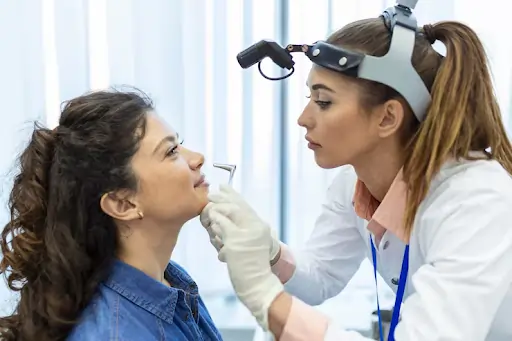
    The specialist will look in your ears using an otoscope. It’s a small device with a light that lets them see the ear canal and eardrum. Most patients feel nothing more than slight pressure.

    Next comes the nose. A headlight and nasal speculum help the specialist check for blockages, inflammation, or structural issues. If needed, they might use a thin, flexible camera called an endoscope. It sounds uncomfortable, but local anaesthetic spray makes the process tolerable.

    The throat gets examined too. You’ll be asked to say “ahh” while a tongue depressor holds your tongue down. Not pleasant, but over quickly.

    Sometimes the specialist will feel your neck, checking for swollen lymph nodes or abnormalities in the thyroid gland. They might test your hearing with a tuning fork or ask you to repeat words at different volumes.

    Tests That Might Happen on the Day

    Private clinics often have diagnostic equipment on site. That means tests can happen during the first appointment rather than weeks later.

    Hearing tests are common. You’ll sit in a soundproof booth wearing headphones, pressing a button when you hear tones at different frequencies. The results appear immediately on a graph called an audiogram.

    Nasal endoscopy lets the specialist see inside your sinuses. The procedure takes five minutes. A thin camera goes through your nostrils while you breathe normally. The images show up on a screen, and most specialists will explain what they’re seeing as they go.

    Some clinics offer allergy testing or balance assessments if symptoms suggest those issues. Blood tests might be ordered, though results take a few days to come back.

    What Happens After the Examination

    Once the examination finishes, the specialist will explain their findings. This is when patients finally get answers about what’s causing their symptoms.

    The explanation might involve diagrams or images from the endoscopy. Good specialists avoid medical jargon or stop to explain terms that sound confusing. If the diagnosis isn’t clear yet, they’ll discuss what additional tests might help.

    Treatment options come next. For some conditions, medication is enough. Antibiotics for infections. Steroid sprays for inflammation. Antihistamines for allergies.

    Other problems need procedures or surgery. The specialist will explain what’s involved, how long recovery takes, and what risks exist. Private patients often get offered surgery dates within weeks rather than months.

    Patients leave with a written summary of the consultation. It includes the diagnosis, treatment plan, and any prescriptions. If surgery is recommended, there will be information about preparing for the procedure and what to expect afterwards.

    Questions to Ask Before Leaving

    Most people forget to ask important questions during medical appointments. Nerves get in the way. Or they think of questions only after leaving the clinic.

    Here are things worth asking if they haven’t been covered:

    How long until symptoms improve with treatment?

    What warning signs should prompt an urgent return?

    Are there lifestyle changes that might help?

    Will there be follow-up appointments, and when?

    Can the GP continue prescribing medication, or does it need to come from the specialist?

    Writing questions down before the appointment helps. So does bringing someone along who can remember details you might miss.

    The Difference Privacy Makes

    Private ENT appointments feel less rushed than NHS visits. There’s time to discuss concerns properly. Tests happen faster. Treatment starts sooner.

    But the actual medical care isn’t necessarily better. NHS ENT specialists are often the same doctors who work privately. The difference lies in access and convenience, not expertise.

    Some patients use private care for diagnosis and initial treatment, then return to the NHS for long-term management. Others stay private throughout. The choice depends on finances, urgency, and personal preference.

    Read more: The Eco-Friendly Way to Travel in Groups: One Vehicle, Many Benefits

    Make Her Smile: The Right Ring Speaks Volumes

    From Shower Shelves to Ice Buckets — Stickers That Actually Stick!

  • Pure Mist Topicals LLC: Understanding CBD Topical Formulations for Pain Relief

    Pure Mist Topicals LLC: Understanding CBD Topical Formulations for Pain Relief

    Pain has a way of stealing the moments that matter most. That morning yoga session becomes impossible. Playing with your kids feels like a chore. Even sitting at your desk turns into an endurance test.

    You’ve probably tried everything. Ibuprofen that tears up your stomach. Prescription medications that leave you foggy. Ice packs that provide 20 minutes of relief before the ache returns. The cycle gets exhausting.

    Pure Mist Topicals LLC offers a different path. CBD topicals work directly where you need them, without the side effects that come with oral medications. But not all topical formulations work the same way. Understanding what makes them effective can help you make better choices for your body.

    How CBD Topicals Actually Work

    Your skin is not just a barrier. It’s an active organ with its own endocannabinoid system. When you apply CBD topically, it interacts with cannabinoid receptors in your skin, muscles, and nearby tissues.

    The cannabinoids never enter your bloodstream. They stay localized, which means you get targeted relief without affecting the rest of your body. This matters for people who worry about drug tests or feeling altered in any way.

    Pure Mist Topicals LLC formulations are designed for maximum absorption. The molecules need to penetrate deep enough to reach the areas causing discomfort. That’s where formulation science becomes critical.

    Breaking Down the Ingredients

    A quality CBD topical is more than just cannabidiol mixed with lotion. The carrier ingredients determine how well the CBD penetrates your skin layers.

    Look for products with natural oils like coconut oil, shea butter, or jojoba oil. These match your skin’s natural composition, which helps carry CBD deeper into tissues. Synthetic bases often sit on the surface and wash off before doing much good.

    Menthol and camphor create cooling sensations that distract from pain signals. Some people find this helpful for immediate relief while the CBD gets to work. Others prefer formulations without these additives because they want to feel the CBD effects alone.

    Essential oils like lavender or eucalyptus can add therapeutic benefits beyond just scent. Lavender has calming properties that complement CBD’s effects on tension. Eucalyptus supports circulation, which helps reduce inflammation in affected areas.

    Broad-Spectrum vs. Full-Spectrum Topicals

    The type of CBD extract matters more than most people realize. Full-spectrum products contain trace amounts of THC, usually under the legal limit. Broad-spectrum products have THC completely removed while keeping other beneficial cannabinoids.

    Pure Mist Topicals LLC focuses on broad-spectrum formulations for a reason. You get the entourage effect where multiple cannabinoids work together, but without any THC concerns. This approach makes sense for people who need to stay completely THC-free.

    Some brands use CBD isolate, which is pure cannabidiol with nothing else. It’s cheaper to produce but may not work as effectively. The other plant compounds seem to enhance how CBD interacts with your body’s receptors.

    Application Techniques That Make a Difference

    Rubbing CBD cream on sore muscles sounds simple enough. But the technique used affects results more than you might expect.

    Start with clean, dry skin. Oils and sweat create barriers that block absorption. Take 30 seconds to wash the area first if you’ve been sweating or used lotion earlier in the day.

    Apply a generous amount directly to the affected area. Don’t be stingy. You need enough product to penetrate multiple skin layers and reach the tissues causing problems.

    Massage it in for at least two minutes. The friction generates heat that opens pores and improves penetration. Light rubbing leaves most of the product sitting on your skin’s surface, where it can’t do much good.

    Give it time to absorb before putting on clothes. Fifteen minutes makes a real difference. Otherwise, your shirt absorbs half the product instead of your skin.

    What to Expect From CBD Topicals

    Pain relief doesn’t happen instantly like it might with oral medications. CBD topicals typically take 15 to 45 minutes to start working. The trade-off is longer-lasting relief, often several hours from a single application.

    Some people feel a mild tingling or warmth as the product absorbs. This is normal and usually fades within minutes. If you experience burning or irritation, stop using the product and wash it off.

    Results vary based on several factors. The severity of your discomfort matters. So does your skin type, and how well you applied the product. Chronic conditions may require consistent use over several days before you notice significant changes.

    Third-Party Lab Testing

    Here’s something that should concern anyone buying CBD products. The industry has minimal regulation right now. Companies can claim almost anything on their labels without proving it.

    Third-party lab testing solves this problem. Independent laboratories test products for CBD content, THC levels, and contaminants like pesticides or heavy metals. Pure Mist Topicals LLC uses these tests to verify every batch meets quality standards.

    Look for a Certificate of Analysis when shopping. It should be recent, match the product batch number, and come from an accredited lab. If a company won’t provide this documentation, that tells you something important about their quality control.

    Real-World Applications

    Athletes use CBD topicals for post-workout recovery. The anti-inflammatory properties help reduce muscle soreness and joint stiffness. Applying it immediately after exercise seems to work better than waiting until the next day.

    People with arthritis find relief from hand and knee pain. The localized approach means you can treat specific joints without affecting your whole system. Morning stiffness often improves with regular use.

    Office workers dealing with neck and shoulder tension from poor posture benefit too. Applying CBD cream during lunch breaks can make the afternoon more bearable. It beats popping pills that make you drowsy during work hours.

    Making the Right Choice

    Finding an effective CBD topical takes some experimentation. Your body chemistry, the type of discomfort you’re experiencing, and product quality all play roles in results.

    Start with a reputable brand that provides lab testing and clear ingredient lists. Pure Mist Topicals LLC meets these criteria with formulations designed for real-world effectiveness rather than marketing hype.

    Pay attention to CBD concentration. Products with at least 250mg per container tend to work better for moderate discomfort. Severe or chronic conditions may require higher concentrations.

    Trust your experience over promises. If a product works for you, that matters more than any claims on the label; if it doesn’t, try a different formulation rather than giving up on CBD topicals entirely.

    Final Thoughts

    Pain relief shouldn’t require choosing between effectiveness and safety. CBD topicals offer a middle ground that works for many people who’ve run out of better options.

    The science behind these products continues to develop. What we know today suggests they interact with your body’s natural pain management systems in ways that support healing rather than just masking symptoms.

    Understanding formulations, ingredients, and proper application helps you get better results. Quality products from companies like Pure Mist Topicals LLC make the process easier by doing the hard work of formulation science for you.

    Your comfort matters. Finding relief shouldn’t feel like an impossible task.

    Also Read-Why Savvy Travellers Rely on Travel Experts, Not Just Apps