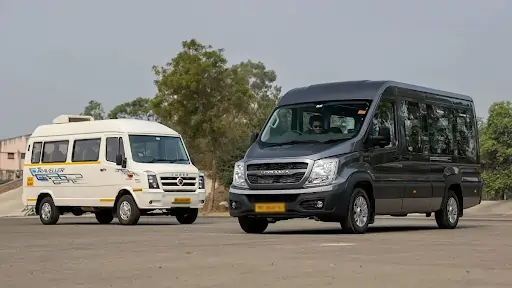
Travelling with friends, family, or colleagues often means coordinating the movement of multiple cars, which can quickly turn into a logistical headache. Beyond the hassle of convoy driving, there’s a bigger issue at play: the environmental cost. When groups split across several vehicles, they’re essentially multiplying their carbon footprint without realising it. Choosing one larger vehicle instead might seem like a small decision, but it’s one that carries significant benefits for both the planet and your wallet.
Understanding the financial side matters too, especially when planning group trips. Checking the 13 seater tempo traveller price helps travellers budget effectively whilst comparing the cost against running multiple smaller cars. The numbers often reveal surprising savings, particularly when fuel, tolls, and parking fees get divided amongst passengers. Beyond economics, there’s something refreshing about making choices that align with environmental responsibility without sacrificing comfort or convenience during your journey.
Why Multiple Small Cars Create Bigger Problems
Fuel Consumption Multiplies Quickly: When four families decide to take separate cars on a weekend getaway, they’re not just using four times the fuel of one vehicle. Traffic patterns, different driving styles, and the stop-start nature of convoy travel mean actual consumption often exceeds simple multiplication. Each car idles at different intervals, accelerates at varying rates, and carries its own maintenance inefficiencies. The cumulative waste becomes substantial over longer distances, turning what could be an efficient journey into an environmental burden that’s easily avoidable.
Emissions Stack Up Unnecessarily: Carbon dioxide doesn’t care about convenience. Every additional engine running pumps exhaust into the atmosphere, contributing to air quality problems that affect communities along your route. Smaller vehicles might seem innocent enough individually, but their collective impact tells a different story. Urban areas already struggle with pollution levels, and tourist destinations often face seasonal spikes when visitors arrive. Reducing the number of vehicles on the road, even by modest amounts, helps alleviate pressure on local air quality standards.
Road Congestion Affects Everyone: More cars mean more traffic, plain and simple. Popular tourist routes during peak seasons become clogged with vehicles, slowing everyone down and creating frustration. When groups consolidate into single vehicles, they’re doing their bit to ease congestion. Fewer cars also mean less wear on road infrastructure, reduced accident risks, and smoother traffic flow for other travellers trying to reach their destinations without unnecessary delays or complications.
How Shared Travel Transforms Environmental Impact
Dramatic Reduction in Per-Person Emissions: Mathematics works in your favour with group travel. Splitting one vehicle’s emissions amongst ten or thirteen passengers drastically reduces each person’s carbon contribution compared to smaller cars. Think of it this way: if a large vehicle produces three times the emissions of a small car but carries five times the passengers, you’ve achieved significant per-capita savings. These reductions matter, particularly when multiplied across thousands of group trips happening throughout tourist seasons.
Fuel Efficiency Through Smart Design: Modern group vehicles aren’t just scaled-up versions of regular cars. They’re engineered with efficiency in mind, featuring aerodynamic designs, optimised engines, and weight distribution that maximises fuel economy for their size. Professional operators maintain these vehicles meticulously, ensuring engines run at peak efficiency. Regular servicing, proper tyre pressure, and quality fuel all contribute to better performance than ageing family cars might achieve, even when comparing similar passenger loads across multiple vehicles.
Shared Resources Mean Less Waste: Beyond fuel and emissions, consider the broader resource picture. One vehicle requires one parking space instead of four or five. Toll payments get consolidated. Engine oil changes, tyre replacements, and other maintenance activities happen once rather than repeatedly. These seemingly minor factors accumulate into meaningful environmental benefits when viewed across the entire travel ecosystem. Every resource saved represents energy not spent on production, transportation, and disposal of materials.
Comfort and Responsibility Can Coexist
Space Doesn’t Mean Sacrifice: There’s a common misconception that choosing eco-friendly options means cramped, uncomfortable journeys. Modern group vehicles challenge this assumption entirely. Passengers enjoy ample legroom, climate control, and often entertainment systems that make long journeys pleasant. Large windows provide better views than being stuck in the middle seat of a standard car. The social aspect matters too—travelling together strengthens bonds and creates shared memories that separate vehicles simply cannot replicate effectively.
Amenities That Enhance the Journey: Group vehicles often feature thoughtful touches that improve travel experience. Storage compartments keep luggage organised and accessible. Reclining seats accommodate different comfort preferences. Some vehicles include USB charging ports, reading lights, and adjustable air vents for individual control. These amenities aren’t luxuries but practical features that recognise passengers’ needs during extended travel. Comfort and environmental responsibility needn’t conflict when vehicles are purpose-built for group transportation requirements.
Professional Standards Make the Difference: Well-maintained vehicles from established operators deliver reliability that mismatched personal cars cannot guarantee. Breakdown risks decrease when vehicles undergo regular inspections and preventive maintenance. Professional drivers understand efficient driving techniques that maximise fuel economy whilst ensuring passenger safety. Their experience navigating routes, managing rest stops, and handling various road conditions adds value that extends beyond simple transportation. Quality matters when considering both environmental impact and journey experience.
The Role of Professional Rental Companies
Fleet Maintenance Impacts Efficiency: Rental companies have strong incentives to maintain fuel-efficient fleets. Lower fuel consumption directly affects their operational costs, so they invest in regular servicing, engine tuning, and component replacement. This commercial motivation aligns perfectly with environmental goals. Customers benefit from vehicles performing at optimal efficiency levels, whilst operators reduce running costs. Professional maintenance schedules catch small issues before they become major problems that compromise fuel economy or increase emissions substantially.
Investment in Newer Technology: Established operators gradually update their fleets with newer vehicles incorporating latest emission standards and efficiency improvements. Whilst they can’t replace entire fleets overnight, the continuous renewal process means customers often access relatively modern vehicles with better environmental credentials than older personal cars. Some companies explore alternative fuels or hybrid technologies, testing these options on commercial routes before wider adoption becomes economically viable for private vehicle owners.
Knowledge Sharing Benefits Travellers: Professional operators accumulate expertise about efficient travel planning. They understand which routes minimise fuel consumption, where traffic bottlenecks typically occur, and how timing affects journey efficiency. This knowledge gets passed to customers through recommendations and route planning assistance. The collective wisdom of thousands of completed journeys informs better decision-making that benefits both travellers and the environment through reduced unnecessary mileage and improved scheduling.
Making Sustainable Tourism Real
Individual Choices Create Collective Impact: Tourism’s environmental footprint concerns many destinations struggling to balance economic benefits against ecological preservation. Transport represents a significant portion of this impact. When travellers choose group vehicles over multiple cars, they’re participating in practical sustainability rather than just discussing it theoretically. These choices accumulate across thousands of trips, creating measurable reductions in fuel consumption and emissions that benefit destinations trying to maintain their natural appeal for future visitors.
Supporting Infrastructure Development: Demand for efficient group transport encourages investment in better vehicles, improved services, and enhanced facilities. As more travellers recognise shared transport benefits, operators respond by upgrading offerings and expanding options. This positive cycle reinforces sustainable tourism practices whilst making responsible choices increasingly convenient and attractive. Better infrastructure also supports local communities managing tourist influxes without overwhelming their resources or environment.
Educational Value of Responsible Travel: Choosing sustainable transport options sets examples for others and reinforces awareness about environmental considerations. Families travelling together teach younger members about responsible decision-making. Friend groups demonstrate that enjoyment needn’t compromise environmental values. These lessons extend beyond individual trips, influencing future travel choices and broader lifestyle decisions. The cumulative educational impact creates cultural shifts towards sustainability that benefit society well beyond tourism contexts.
Practical Considerations for Group Travel
Planning Makes Everything Smoother: Successful group travel requires coordination, but the effort pays dividends. Agreeing on departure times, rest stop preferences, and luggage arrangements beforehand prevents delays and confusion. Clear communication about expectations ensures everyone understands the arrangements and feels comfortable with the plan. This preparation time actually reduces stress compared to coordinating multiple vehicles throughout a journey, where miscommunication and separation become constant concerns affecting everyone’s experience.
Cost Sharing Creates Affordability: Dividing expenses amongst passengers makes quality transport accessible to more people. Fuel costs, rental fees, and tolls become manageable when split properly. This affordability removes financial barriers that might otherwise push groups towards less efficient options. Transparent cost-sharing discussions before trips prevent misunderstandings and ensure fair contribution from all participants. The economic benefits complement environmental advantages, creating compelling reasons for choosing group vehicles over multiple smaller cars.
Flexibility Within Structure: Group travel doesn’t mean rigid schedules or loss of autonomy. Well-planned trips incorporate flexibility for individual preferences whilst maintaining overall efficiency. Rest stops accommodate different needs. Route choices can reflect group interests. The key lies in balancing structure with adaptability, ensuring the journey serves everyone’s purposes without becoming chaotic or inefficient. Professional operators understand this balance and help groups achieve it through experience and proper planning assistance.
Environmental Benefits Beyond Transportation
- Reduced parking footprint: One vehicle occupies minimal space at destinations, preserving natural areas and reducing infrastructure demands at tourist sites.
- Lower manufacturing impact: Fewer vehicles in total circulation means reduced demand for manufacturing, which requires substantial energy and resources for production.
- Simplified waste management: Consolidated travel generates less waste from packaging, receipts, and disposable items compared to multiple separate journeys.
- Decreased road maintenance needs: Less traffic means roads require fewer repairs and resurfacing, saving materials and energy whilst reducing construction-related disruptions.
Conclusion
Group travel in single vehicles offers genuine environmental benefits without requiring sacrifice or discomfort. The mathematics clearly favours consolidation when considering emissions, fuel consumption, and resource utilisation across entire journeys. Modern vehicles provide comfort and amenities that challenge outdated assumptions about group transport quality.
Professional operators maintain efficient fleets that deliver reliability alongside environmental performance. Most importantly, these choices demonstrate that sustainable tourism isn’t abstract theory but practical action available to every traveller planning their next adventure. Start exploring group travel options for your next trip and discover how environmental responsibility and enjoyable journeys complement each other perfectly.
Read more: Make Her Smile: The Right Ring Speaks Volumes
From Shower Shelves to Ice Buckets — Stickers That Actually Stick!
📋 Roll Call or Role Call: What’s the Difference?