Category: Business

  • Elevating Urban Living: How St George’s Architecture Studios are Shaping Tomorrow’s Spaces

    Elevating Urban Living: How St George’s Architecture Studios are Shaping Tomorrow’s Spaces

    Setting the Scene: Contemporary Urban Challenges and Opportunities

    Cities are straining under their own growth. Plots shrink. Skylines climb higher. Infrastructure creaks under the weight of swelling populations and climate demands. Resource scarcity bites hard, while communities push for spaces that do more than shelter—they must connect, inspire, and adapt. Concrete solutions require more than glossy façades and trend-chasing interiors. They hinge on designs that flex, respond, and keep humans, not spreadsheets, at the core. As density rises, every cubic meter must earn its keep. Sustainability stops being a buzzword the moment operational costs hit. Social needs evolve faster than zoning laws, which means the architects who win tomorrow will orchestrate buildings like living systems. In cities like St George where growth collides with heritage, the task is twofold: satisfy today’s urgency while anticipating tomorrow’s pressures. Adaptability isn’t an optional feature anymore. It’s survival architecture.

    Embracing Flexibility: Multifunctional Spaces by St George Design Firms

    In architecture, “multifunctional” means spaces that perform double or triple duty without feeling compromised. St George’s best designers squeeze maximum utility from minimal footprints using subtle tricks. Retractable partitions can morph a shared workspace into a private meeting room in minutes. Convertible furniture turns a lounge into a guest suite, or a studio into a showroom. The real gain is not only efficiency but freedom—residents reconfigure their lives without fighting their spaces, businesses scale within the same footprint, public institutions do more without more square meters.

    Sustainability Meets Style: Eco-Conscious Approaches in St George Architecture

    Top-tier sustainability in St George starts with buildings that sip energy rather than gulp it. Passive solar design reduces heating loads without sacrificing elegance. Rainwater harvesting integrates seamlessly with landscaped courtyards. Renewable materials like reclaimed hardwood bring warmth without ecological guilt. One standout project used a photovoltaic façade that doubles as a shimmering focal point, proving efficiency can turn heads. Beyond aesthetics, each strategy shaves operational costs year after year, cementing sustainability as a financial asset rather than a moral checkbox.

    Bridging Technology and Creativity: Digital Tools Transforming St George Projects

    BIM, parametric modeling, and immersive VR walkthroughs have transformed St George’s studios into faster, sharper, more precise creative engines. Architects, engineers, and clients now co-author buildings in real time, refining details before a single shovel hits the soil. A recent mixed-use development avoided costly delays by iterating through dozens of VR-based simulations until the final design met every structural, aesthetic, and community standard. This is technology as a scalpel, not a sledgehammer.

    Cultural Context: Weaving Local Heritage into St George’s Modern Developments

    Regional architectural DNA can still thrive without drowning in nostalgia. St George’s most astute designers lift key motifs—arched windows, historic rooflines—and recode them into sleek, modern façades. One civic building reinterpreted sandstone accents in clean geometric cladding, making the space feel rooted yet relevant. The trick is to balance familiarity with novelty. This fusion carries universal appeal because it respects memory while serving ambition.

    Material Innovation: Durable, Aesthetic Choices in St George Structures

    Cross-laminated timber is gaining momentum for its strength-to-weight ratio and warm visual grain. Recycled steel composites deliver industrial toughness with a fraction of the embodied energy. Both outperform old-guard materials in lifecycle analysis, cutting maintenance risk while boosting long-term savings. In St George’s climate, durability is not a luxury. It is a precondition for beauty that lasts.

    Collaborative Design: Stakeholder Engagement in St George Developments

    When communities, clients, and contractors sit at the table early through charrettes, targeted surveys, and co-creation workshops, design friction dissolves before it hardens. Clear alignment upfront slashes revision cycles down the line. Digital collaboration hubs now keep feedback loops alive in real time, shrinking the gap between intent and execution. Engagement stops being a box to tick—it becomes an accelerant.

    Resource Hub: Finding Trusted architects St George for Your Next Venture

    Choosing the right architects St George is not luck. Review portfolios that span residential, commercial, and civic work. Verify certifications and read client testimonials with a skeptical eye. Strong firms offer no-cost consultations or sample briefs so you can test compatibility before committing. The right match accelerates vision into reality without surprises lurking in the build.

    Future-Focused Blueprints: Key Takeaways from St George’s Top-Build Strategies

    Flexibility keeps buildings relevant. Sustainability keeps them viable. Technology refines them. Culture roots them. Materials defend them. Collaboration delivers them. For anyone mapping their own project, start with spaces that morph with changing needs. Invest early in energy efficiency that looks as good as it performs. Keep stakeholders close from sketch to ribbon cutting. The trajectory of St George’s architectural evolution shows that urban success comes from stacking these priorities, not choosing between them. That mindset doesn’t just shape skylines—it influences the next generation of design thinking everywhere.

    Also Read-Marketing for Business Growth

  • How Money Moves Quietly in a Digital World

    How Money Moves Quietly in a Digital World

    Have you ever stopped to wonder how your paycheck lands in your bank account without a single envelope or signature? We tap, swipe, and click without thinking, but behind every transaction is a complex digital trail. In today’s economy, money rarely moves with noise. It slides through invisible tunnels of code, crossing borders, banks, and even currencies—often without us noticing. The real story of how money flows now isn’t told with bills and coins. It’s told in bytes.

    From Wallets to Wi-Fi

    The shift from physical cash to digital transactions isn’t new, but it has accelerated. In the last five years, contactless payments, digital wallets, and app-based spending have transformed daily life. Apple Pay and Google Wallet have turned phones into pocket-sized banks. Venmo lets roommates split pizza bills without saying a word. Meanwhile, cash, once king, is starting to feel like a relic in some cities.

    This convenience comes with trade-offs. While it’s easier than ever to pay for your morning coffee, you’re also giving up a little privacy each time. Every swipe becomes a data point. Banks, fintech companies, and even advertisers are quietly mapping how, when, and where you spend. Money, it turns out, talks quietly but tells a lot.

    Behind the Screens: How It Actually Moves

    You might assume sending money to a friend or paying your bills online is instant. In some cases, it is. But most of the time, it passes through a well-oiled but unseen process. Let’s say you paid your utility bill online. That payment likely relied on an Automated Clearing House (ACH) transfer.

    So, what is an ACH transfer? It’s a digital method of moving money between banks in the U.S. Instead of physical checks or wire transfers, ACH uses batches of transactions to shift funds electronically. You’ve probably used it if your employer deposits your paycheck directly or if you’ve scheduled auto-payments for bills. It’s cost-effective and reliable, but not always immediate. These transfers typically clear in one to three business days.

    ACH transfers don’t make headlines, but they’re a big deal. In 2023 alone, the network processed over $70 trillion. That’s more than the GDP of most countries, flowing under the radar—no news coverage, no alerts, just a quiet shift of digital dollars keeping the economy moving.

    The Rise of Peer-to-Peer Payment Platforms

    Once upon a time, splitting dinner involved awkward math and someone always promising, “I’ll Venmo you.” Today, apps like Venmo, Zelle, and Cash App have blurred the lines between banking and messaging. These platforms are frictionless, fun, and increasingly embedded in how younger generations handle money.

    They’ve also changed expectations. Waiting two to three business days for money to clear feels outdated when your friend just paid you back in seconds with a pizza emoji. But here’s the twist: even these fast-moving apps often rely on older systems like ACH behind the scenes. The flashy interface is new. The engine underneath? Not always.

    Cryptocurrency’s Quiet Disruption

    Even if you don’t own Bitcoin, you’ve likely heard someone passionately explain it to you. Cryptocurrency promised a revolution: decentralize money, skip the banks, and take control. But instead of overthrowing traditional finance, crypto has become part of the system it aimed to disrupt.

    Today, major banks invest in blockchain research. Governments explore digital currencies. And while meme coins get the attention, it’s stablecoins and blockchain-based transfers that are quietly reshaping international payments. Cross-border transactions that once took days and carried high fees can now settle in minutes with fewer intermediaries. It’s not loud. It’s not flashy. But it’s happening.

    When Shopping Feels Like Scrolling

    E-commerce has turned online spending into an almost unconscious act. You see a product, click twice, and it’s on the way to your door. Platforms like Amazon and Shopify have perfected the art of one-click checkout. And Buy Now, Pay Later (BNPL) services have made it even easier to spend money you don’t yet have.

    This ease can lead to overspending. A $30 impulse purchase feels harmless—until it happens 10 times a week. In a digital world, parting with money feels less real. There’s no cash changing hands. No receipt to tuck away. Just an email confirming what your bank account already knows: the money is gone.

    Invisible Hands of Algorithms and Automation

    Digital banking isn’t just about moving money. It’s about managing it with machine-like precision. Robo-advisors invest your savings based on algorithms. Banks use AI to detect fraud before you notice anything wrong. Some apps round up your purchases and squirrel away the spare change without you lifting a finger.

    Even credit approvals now rely less on conversations and more on data models. Income, location, and spending behavior feed into algorithms that silently shape your financial future. It’s efficient, but also a bit unnerving. Your next opportunity—or rejection—might come not from a banker’s desk, but from a line of code.

    Privacy, Power, and the Price of Convenience

    Every digital payment creates a footprint. Every financial decision feeds into a larger ecosystem of data. While regulation like GDPR and the California Consumer Privacy Act attempt to give users more control, the truth is murky. Convenience often wins.

    Think about how many apps you’ve granted access to your bank account or credit card. Subscription services, budgeting apps, rewards platforms—they promise value but ask for access. Over time, the web of who knows what about your money grows. It’s not always malicious, but it is quietly powerful.

    The Future Is Silent—But Not Still

    We often imagine financial revolutions as loud events. Stock market crashes. Housing crises. GameStop rallies. But the real transformation of money is happening quietly, coded into systems, hidden in APIs, and shaped by companies most people haven’t heard of.

    There’s irony in how digital finance has made money more mobile but also more abstract. You work hard for your earnings, yet they exist more as numbers than as anything you can touch. The ATM is becoming a museum piece. Cash registers are vanishing. And in their place? Invisible systems that work all the time, everywhere.

    Yet for all this quiet movement, the impact is loud. Our habits, security, access, and even understanding of value are changing. The challenge now is to stay aware of how these silent shifts affect us—and to ask better questions about who benefits from them.

    Money still talks. These days, it just prefers to whisper.

    Also Read-Marketing for Business Growth

  • Innovative Construction Estimators and Their Contribution to Project Efficiency 

    Innovative Construction Estimators and Their Contribution to Project Efficiency 

    In the cutting-edge-day creation corporation, traditional performance and precision aren’t non-compulsory—they’ll be vital. Projects in recent times are more complex, timelines are tighter, and budgets are scrutinized greater carefully than ever earlier than. This makes the function of specialized offerings within the planning section useful. Among the ones, Construction estimating Services play a pivotal role in shaping venture consequences with the useful resource of the usage of imparting correct predictions for charge, tough art work, and material requirements. These services shape the foundation of any fulfillment advent assignment via minimizing uncertainty and helping businesses allocate assets correctly.

    The importance of Construction estimating Services extends beyond in reality offering numbers. They provide proper insights into project feasibility, permitting stakeholders to make knowledgeable alternatives earlier than breaking floor. By forecasting potential worrying situations, which includes unexpected internet net net page situations or material price fluctuations, those offerings permit mission managers to mitigate dangers proactively. Modern estimating techniques combine ancient information with actual-time marketplace tendencies, making the estimates dynamic and adaptable to converting venture conditions.

    The Role of Precision in Project Planning

    Efficiency in production responsibilities hinges on precision. Accurate making plans now not first-class prevents rate variety overruns but moreover ensures properly timed undertaking shipping. A project that starts offevolved offevolved offevolved offevolved with a strong plan backed thru first rate estimates frequently critiques fewer delays and reduced remodel. The integration of generation and specialized offerings inside the early tiers lets in for meticulous scheduling, improved useful resource allocation, and better coordination amongst contractors, engineers, and stakeholders.

    Planning is also vital for environmental and regulatory compliance. By searching forward to necessities through advanced project assessment, creation groups can put in force sustainable practices and meet criminal requirements without compromising timelines. This advance-thinking method is important in modern-day-day manufacturing in which regulatory landscapes have grown to be more stringent.

    Enhancing Design Accuracy with Technology

    One of the most transformative tools in present-day manufacturing is virtual modeling. By using modern-day-day format software software application software software software program, venture corporations can visualize structures in 3 dimensions, taking into account unique planning and masses a whole lot less errors. This is in which CAD Drafting Services come to be essential. These services facilitate the advent of correct digital blueprints, which function the backbone for all production sports activities.

    CAD Drafting Services streamline verbal exchange among architects, engineers, and contractors with the aid of providing a unified, specific example of the venture. Any functionality conflicts in layout, together with plumbing clashes or structural misalignments, can be diagnosed and corrected earlier than manufacturing starts offevolved offevolved offevolved offevolved. This now not brilliant saves time but moreover notably reduces charges associated with on-internet internet web web page corrections.

    Integrating Innovation into the Workflow

    Modern introduction obligations thrive on innovation, and adopting an advanced drafting era is a massive jump beforehand. Beyond growing unique drawings, those generations allow for simulation of introduction strategies, imparting insights into workflow optimization. Teams can test specific conditions clearly, check dangers, and beautify coordination among numerous trades.

    In addition, integration with wonderful virtual devices, like undertaking manipulation software software software program and charge estimation systems, ensures a persevering with workflow. This holistic technique reduces redundancy, enhances duty, and ensures that the mission adheres to its time table and price range. By embracing innovation, production agencies are better prepared to address the complexities of large-scale responsibilities.

    Strategic Planning for Operational Excellence

    Behind every success advent task lies a strategic making plans method pushed with the beneficial resource of records and facts evaluation. Construction Estimators are essential in translating mission designs into actionable insights. Their characteristic extends past calculating charges—they compare difficult work requirements, material overall performance, and capability bottlenecks in workflow.

    By taking elements carefully with task managers, engineers, and architects, Construction Estimators make contributions to smarter choice-making in the end of the undertaking lifecycle. Their insights assist streamline procurement, optimize resource allocation, and make sure that timelines are realistic however bold. Essentially, they act due to the bridge’s conceptual format and practical execution, making sure that the imaginative and prescient mission is capable of interior fee variety and time desk constraints.

    Maximizing Efficiency via Expert Analysis

    The contribution of expert estimators goes beyond numbers—they offer strategic steering that could decide challenge fulfillment. Their information guarantees that undertaking risks are identified early, solutions are proactive, and useful resource wastage is minimized. By imparting specific opinions and analyses, they permit stakeholders to make informed alternatives regarding charge, amazing, and timelines.

    Moreover, Construction Estimators play a key characteristic in maintaining competitiveness within the agency. By turning in particular insights and fostering transparency, they assist businesses supply together recollect with clients and partners. This, in turn, leads to higher purchaser pride, repeat organisation enterprise company, and a recognition for reliability within the marketplace.

    Read More:How much does metal siding cost?

    Final Thoughts

    The cutting-edge production industrial agency is evolving abruptly, pushed via the usage of generation, innovation, and growing task complexity. Integrating specialized services together with Construction estimating Services, CAD Drafting Services, and the strategic input of Construction Estimators isn’t always non-obligatory—it’s far from a need for normal overall performance and achievement. By leveraging understanding and superior devices, production corporations can reduce risks, optimize assets, and supply duties that meet every incredible and rate range expectations.

    Efficiency in creation is not pretty an lousy lot doing topics quicker; it’s approximately doing them smarter. Embracing revolutionary practices at each degree—from estimation and drafting to execution—ensures that responsibilities are finished with precision, predictability, and professionalism. Companies that make investments within the ones current techniques will maintain to manual in an enterprise that desires excellence.

    FAQs

    1. What is the precept advantage of using Construction estimating Services?

     Construction estimating services offer accurate charge, hard artwork, and fabric predictions, supporting prevent rate range overruns and enhance project making plans.

    2. How do CAD Drafting Services enhance task consequences?

     CAD Drafting Services create specific virtual blueprints, allowing groups to select out out functionality layout conflicts early, decorate coordination, and reduce on-internet internet site on-line mistakes.

    3. What characteristic do Construction Estimators play in threat manipulate?

     Construction Estimators take a look at assignment plans to pick out out out out capacity bottlenecks and useful resource traumatic situations, allowing proactive answers and minimizing dangers.

    4. Can digital device in truth decorate introduction ordinary regular common performance?

     Yes, integrating drafting, estimation, and manage software program application software permits for better beneficial useful aid making plans, workflow optimization, and well timed task completion.

    5. Why is strategic planning crucial in cutting-edge advent?

     Strategic making plans ensures that duties adhere to budgets, timelines, and excellent necessities, on the identical time as furthermore meeting regulatory and sustainability necessities.

    Also Read-Marketing for Business Growth

  • Strategic Sourcing Methods to Improve Procurement Outcomes

    Strategic Sourcing Methods to Improve Procurement Outcomes

    In an increasingly competitive international market, procurement isn’t always pretty, as there is a lot of searching for goods and services at the lowest price. Organizations nowadays are specializing in strategic sourcing to create long-term cost savings, improve supplier performance, and enhance operational resilience. Strategic sourcing is an established, information-knowledgeable technique that evaluates not only the best rate but also high-quality, risk, sustainability, and provider functionality.

    Modern procurement leaders understand that well-planned sourcing options have an effect on profitability, mission timelines, and client delight. By using disciplined sourcing techniques, businesses can lessen inefficiencies, enhance transparency, and make certain that procurement aligns with broader organizational desires. In complicated buying environments, procurement m&a providers

     play a vital feature in helping corporations manage severa provider networks at the same time as keeping consistency, duty, and general performance standards.

    Strategic sourcing, moreover, helps better governance through putting in clear methods for supplier preference and evaluation. When sourcing choices are pushed by means of method in a region of urgency, procurement businesses gain more control over spending, reduce dependency risks, and build partnerships that assist long-term fulfillment.

    Understanding Strategic Sourcing in Modern Procurement

    Strategic sourcing is a non-stop and systematic approach that goes beyond transactional buying. It involves analyzing spend categories, knowledge market dynamics, and growing sourcing techniques that stabilize value performance with price creation.

    Unlike conventional purchasing, strategic sourcing emphasizes planning and collaboration. Procurement teams partner cautiously with internal stakeholders to recognize necessities, forecast demand, and align sourcing alternatives with operational needs. This proactive technique minimizes remaining-minute purchases and helps smooth procurement cycles.

    A properly-described strategic sourcing framework additionally improves consistency in some unspecified time in the future of the employer corporation. Standardized requirements for company evaluation and settlement manipulation lessen variability and assist make sure that procurement selections are aligned with business enterprise guidelines and hazard tolerance.

    Spend Analysis and Market Intelligence

    Effective strategic sourcing starts with a deep expertise in organizational spend. Spend analysis allows procurement teams to understand where cash is being spent, with whom, and under what terms. This belief lets in higher prioritization of sourcing efforts and highlights opportunities for consolidation or renegotiation.

    Market intelligence enhances spend assessment by means of way of imparting visibility into supplier abilities, pricing inclinations, and company risks. Understanding market situations permits procurement companies to count on changes and adapt sourcing techniques accordingly.

    In venture-driven industries, correct planning supported by Construction Estimating Services guarantees that sourcing decisions are based on realistic necessities in place of assumptions. When quantities, timelines, and specifications are virtually described, procurement agencies can engage suppliers more correctly and avoid highly-priced revisions.

    Supplier Evaluation and Relationship Management

    Supplier choice is a crucial element of strategic sourcing. Rather than focusing totally on charge, agencies study vendors based on exceptional, reliability, economic stability, and alignment with organizational values.

    Structured evaluation frameworks promote objectivity and transparency in provider desire. These frameworks ensure that decisions are regular and defensible, reducing the chance of disputes or overall performance issues later.

    Strategic sourcing also emphasizes long-term provider relationships. Collaborative partnerships inspire innovation, enhance provider degrees, and create shared responsibility for results. When carriers are dealt with as strategic companions, they may be much more likely to spend money on non-forestall development and assist organizational growth.

    Contract Strategy and Governance

    Contracts are the foundation of successful sourcing relationships. Strategic sourcing includes growing agreement strategies that balance flexibility with management. Clear terms, average overall performance expectations, and duty mechanisms help save you from misunderstandings and shield organizational interests.

    Strong governance ensures that contracts are controlled efficiently throughout their lifecycle. This consists of monitoring compliance, dealing with modifications, and comparing the provider’s overall performance toward agreed benchmarks.

    By integrating sourcing techniques with layout and making plans together with CAD Drafting Services, corporations can make sure that specifications are correct and aligned with agreement requirements. This reduces ambiguity, minimizes disputes, and facilitates smoother execution within the path of initiatives and operations.

    Risk Management and Sustainability in Sourcing

    Risk management is a critical element of strategic sourcing. Organizations have to research functionality dangers associated with ddeliveringcontinuity, exceptional, regulatory compliance, and geopolitical factors.

    Diversifying supplier bases and developing contingency plans reduces vulnerability to disruptions. Strategic sourcing allows procurement companies to choose out essential companies and implement risk mitigation techniques proactively.

    Sustainability is likewise becoming an essential consideration in sourcing choices. Ethical sourcing practices, environmental obligation, and social compliance are more and more vital to stakeholders. Incorporating sustainability requirements into sourcing techniques complements logo popularity and hehelps long-termrice introduction.

    Measuring and Improving Sourcing Performance

    Continuous development is a hallmark of effective strategic sourcing. Performance size allows businesses to assess the effectiveness of sourcing techniques and choose areas for enhancement.

    Key universal overall performance signs and symptoms can also encompass company reliability, settlement compliance, and stakeholder delight. Regular evaluations make sure that sourcing strategies stay aligned with changing company wishes and market conditions.

    By leveraging information and remarks, procurement corporations can refine sourcing techniques, deliver a lift to issuer relationships, and supply usually higher results over time.

    Read more: How Much Does it Cost to Build a 12×12 Shed?

    Final Thoughts

    Strategic sourcing is a powerful tool for enhancing procurement results in modern-day corporations. By specializing in fee in region of price by myself, agencies can improve overall performance, reduce risk, and assemble resilient delivery networks.

    A hooked up method that integrates spend assessment, dealer collaboration, danger management, and performance length enables procurement to act as a strategic driver of organizational fulfillment. As markets hold, strategic sourcing will be crucial for undertaking sustainable growth and aggressive benefits.

    Frequently Asked Questions (FAQ)

    1. What is strategic sourcing in procurement?

    Strategic sourcing is asetup approach that evaluates suppliers and purchasing selections based solely on cost, chance, and long-term desires instead of focusing on my own.

    2. How does strategic sourcing affect procurement effects?

    It improves value control, issuer typical performance, transparency, and alignment with organizational goals.

    3. Why is the provider relationship manipulation critical in strategic sourcing?

    Strong relationships inspire collaboration, innovation, and reliability, fundamental to higher long-term results.

    four. How does threat control shape into strategic sourcing?

    Strategic sourcing identifies capacity deliver risks early, and implements measures to reduce disruptions and make sure continuity.

    five. Can strategic sourcing assist sustainability goals?

    Yes, it lets organizations embody ethical, environmental, and social requirements in supplier preference and sourcing choices.

    Also READ-Marketing for Business Growth

  • Amazon Gift Cards Unlocked: Convenience, Security, and Freedom

    Amazon Gift Cards Unlocked: Convenience, Security, and Freedom

    In today’s fast-moving digital world, people are constantly looking for payment options that are simple, flexible, and reliable. This is where Amazon Gift Cards stand out as more than just a present—they act as a modern spending tool that fits seamlessly into everyday life. Instead of worrying about carrying cash or entering payment details repeatedly, users gain instant access to value that can be used whenever they are ready. This blend of simplicity and control has helped gift cards become a preferred choice for millions of shoppers.

    A New Definition of Convenience

    Convenience is no longer about saving a little time; it is about removing friction entirely. Digital gift cards eliminate the need for physical handling, shipping delays, or store visits. With just a few clicks, value is ready to use, whether for immediate needs or future plans. This ease of access allows people to shop on their own terms, making the entire experience smoother and more enjoyable.

    Freedom to Choose Without Pressure

    One of the strongest appeals of gift cards is the freedom they offer. Instead of being tied to a specific product or category, users can explore countless options before deciding. This flexibility removes pressure from both the giver and the receiver. The recipient does not feel rushed to spend, and the giver feels confident knowing the value can be used in a way that truly fits the recipient’s preferences.

    Security That Builds Trust

    Security plays a critical role in digital payments. Gift cards offer a safer alternative to traditional payment methods by limiting exposure to sensitive financial information. Since the card holds a fixed value, the risk is contained, which adds peace of mind for users. This controlled environment builds trust, especially for those who are cautious about online transactions.

    Simplifying Budget Management

    Managing expenses becomes easier when spending is clearly defined. Gift cards naturally support budgeting by setting a spending limit in advance. This helps users avoid overspending while still enjoying complete freedom within that balance. For many people, this structured flexibility turns gift cards into practical financial tools rather than just occasional gifts.

    Ideal for Digital-First Lifestyles

    As more people rely on online platforms for shopping, entertainment, and learning, payment methods must adapt. Gift cards fit perfectly into digital-first lifestyles by offering instant usability and compatibility with online purchases. Whether used on a phone, tablet, or computer, the experience remains consistent and hassle-free, aligning well with modern habits.

    Reducing Stress for Gift Givers

    Choosing the right gift can be stressful, especially when tastes and needs vary widely. Gift cards remove guesswork entirely. Instead of worrying about returns or exchanges, givers can focus on the gesture itself. This simplicity makes gifting more enjoyable and encourages thoughtful giving without unnecessary complications.

    Empowering Smarter Spending Decisions

    When people use gift cards, they often become more intentional about how they spend. Since the balance feels separate from regular income, users tend to compare options, wait for better deals, and prioritize value. This mindset encourages smarter purchasing decisions and reduces impulsive buying behavior over time.

    A Flexible Tool for Every Occasion

    From personal celebrations to professional milestones, gift cards adapt effortlessly to any situation. They can be formal or casual, generous or modest, depending on the context. This versatility makes them suitable for a wide range of occasions without losing relevance or impact.

    Supporting Long-Term Planning

    Unlike cash, which is often spent quickly, gift cards are frequently saved for specific goals. People may hold onto them for major purchases, seasonal sales, or essential needs. This habit transforms a simple card into a planning tool that supports thoughtful, long-term spending rather than instant gratification.

    Enhancing the Digital Shopping Experience

    The ease of redeeming gift cards enhances the overall shopping experience. Without the need to re-enter payment details, the checkout process becomes faster and smoother. This streamlined flow reduces frustration and makes online shopping more enjoyable, encouraging users to return again and again.

    Encouraging Responsible Use

    Because gift cards have a predefined value, they naturally encourage responsible spending. Users are more aware of their remaining balance and tend to make choices that maximize value. This awareness fosters a healthier relationship with spending, especially for those learning to manage finances more carefully.

    Bridging Gifting and Personal Finance

    Gift cards sit at a unique intersection between gifting and personal finance. They carry emotional value while also serving a practical purpose. This dual role makes them especially powerful, as they combine thoughtfulness with usefulness in a way few other gifts can achieve.

    Adapting to Changing Consumer Needs

    Consumer preferences continue to evolve, and flexibility has become a top priority. Gift cards respond to this shift by offering adaptability without complexity. As needs change, the value remains relevant, allowing users to adjust their spending choices without losing utility.

    The Future of Convenience, Security, and Freedom

    As digital commerce continues to grow, the demand for payment options that balance ease, safety, and choice will only increase. Gift cards represent this balance perfectly, offering a secure and flexible way to manage spending. By combining convenience with control and freedom, they have become an essential part of modern digital life, redefining how people think about value, trust, and choice.

    Also Read-Marketing for Business Growth

  • Emerging Legal Trends in Business Representation

    Emerging Legal Trends in Business Representation

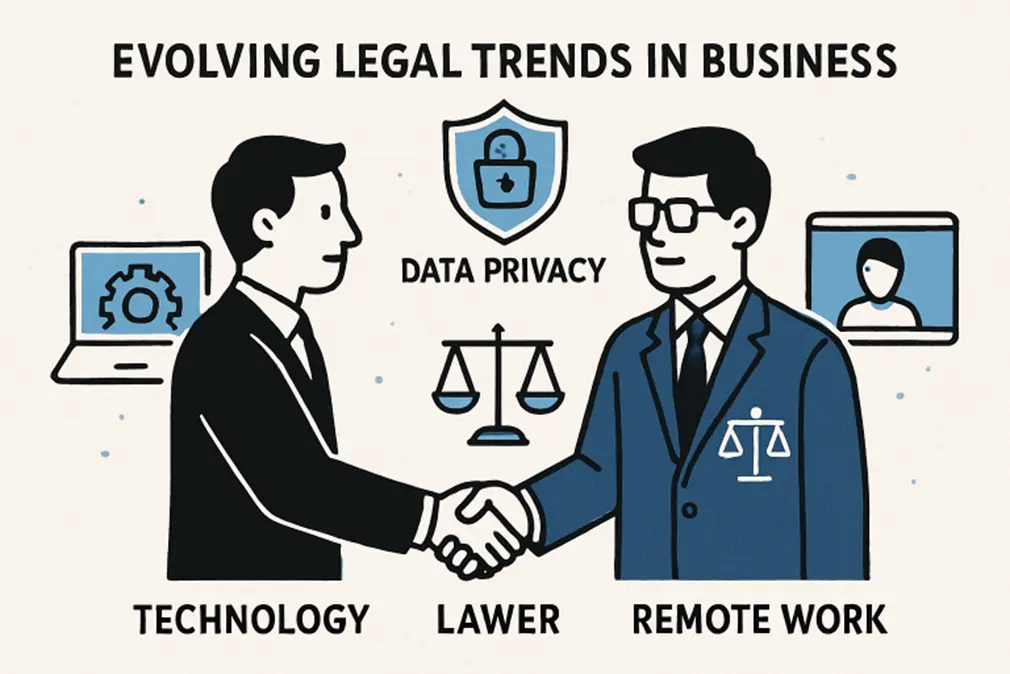
    Businesses in every sector are facing a rapid evolution of legal challenges and opportunities as new technology, regulatory changes, and client demands reshape the legal landscape. Staying informed about these trends is crucial for any company seeking to secure adequate legal representation and future-proof its operations. Companies seeking strategic guidance can benefit significantly from seasoned attorneys in Colorado for businesses who understand these shifting dynamics. Proactive engagement and adaptation to these legal developments enable organizations to navigate complex regulatory environments, ensure compliance, and maintain a competitive edge.

    The emerging trends are not only shaping; strong governance frameworks must accompany the use of AI by law firms to innovate and deliver more transparent, efficient, and client-focused services. Business leaders and their attorneys must stay attuned to regulatory changes, cybersecurity needs, and evolving work models, while also leveraging cutting-edge technologies and alternative legal service options.

    AI Integration in Legal Practices

    Artificial Intelligence (AI) has swiftly become a transformative force in the legal industry. From automating repetitive document reviews to powering advanced legal research, AI tools enable lawyers to perform their duties more efficiently and with greater accuracy. This shift reduces operational costs, allowing legal professionals to devote more time to strategic and high-value client matters. Major law firms are increasingly incorporating AI in everything from contract analysis to litigation predictions, indicating widespread acceptance of technology as an essential legal tool.

    However, as the American Bar Association notes, these innovations raise new ethical questions. Strong governance frameworks must accompany the use of AI to prevent algorithmic bias, protect client confidentiality, and ensure that human oversight remains at the forefront of decision-making. Ultimately, AI augments, rather than replaces, the role of qualified attorneys; however, firms must ensure that their staff and processes are adequately trained and monitored.

    Alternative Legal Service Providers

    Parallel to technological advancements, the rise of Alternative Legal Service Providers (ALSPs) is dramatically altering the delivery of legal services. These organizations specialize in targeted tasks, including e-discovery, litigation support, and regulatory compliance. Due to lower overhead and the use of novel delivery models, ALSPs frequently offer their services at a fraction of the cost of traditional firms. This has led to rapid market growth, particularly among small to mid-sized businesses and corporations seeking scalable and cost-effective solutions.

    Law firms are responding by either forming alliances with ALSPs or developing their own internal service arms to remain competitive and meet modern client expectations. According to a report by Thomson Reuters, the ALSP market has grown to an estimated $28.5 billion, driven by an 18% compound annual growth rate from 2021 to 2023, underscoring its integral role in today’s legal ecosystem.

    Cybersecurity and Data Privacy

    With business operations increasingly reliant on digital platforms, the legal landscape surrounding cybersecurity and data privacy becomes more complex every year. Major breaches—such as those affecting financial institutions, healthcare systems, and governmental agencies—have prompted stricter privacy regimes and increased the stakes for non-compliance. In the United States, regulations such as the California Consumer Privacy Act (CCPA) and the expansion of the General Data Protection Regulation (GDPR) in the European Union force businesses to adopt more rigorous data governance, risk assessment, and response protocols.

    Businesses must closely coordinate with legal advisors to ensure that all processes, from employee training to cloud storage solutions, comply with relevant data protection and privacy laws. Proper risk mitigation isn’t just about preventing costly data breaches; it’s also about safeguarding brand reputation and client trust. Firms attuned to these regulatory shifts provide immense value by navigating legal complexities in a world where even minor security lapses can prove devastating.

    Remote and Hybrid Work Models

    The evolution toward remote and hybrid work environments, propelled by the global pandemic, has become a core part of the business legal dialogue. Remote work introduces specific compliance and liability issues related to employment regulations, workplace safety, tax implications, and cybersecurity. Employers must adapt contracts, onboarding processes, and internal policies to ensure consistency with labor laws and emerging best practices.

    Legal professionals play a crucial role in shaping company policy and supporting swift adjustments to local, state, and federal regulations. Addressing contractual rights, insurance coverage, and digital communication safeguards allows organizations to maintain compliance while attracting and retaining diverse, distributed talent. Flexible work models, supported by thorough legal risk assessments, are rapidly becoming industry norms and a competitive edge for forward-thinking companies.

    Client-Centric Services

    In today’s business environment, clients demand more than just legal expertise—they seek trusted partners who are genuinely invested in their long-term success. This client-centric shift is reflected in practices such as transparent and flexible billing, consistent communication with actionable insights, and a proactive approach that anticipates potential challenges before they arise. Law firms that develop customized legal strategies, provide ongoing education, and tailor solutions to each client’s unique needs foster loyalty and enduring professional relationships. Technology has amplified this trend, enabling clients to access case updates, essential documents, and billing information in real time through secure online portals. Firms that combine deep legal knowledge with a seamless, client-focused experience are redefining industry standards, delivering measurable value, and building partnerships that extend well beyond individual cases.

    Conclusion

    Staying competitive and safeguarded in today’s rapidly changing legal landscape demands more than just compliance—it requires vigilance, adaptability, and strategic collaboration. Businesses must remain informed about emerging regulations, technological advancements, and shifting market dynamics to protect their interests and maintain a competitive edge. Partnering with both established legal providers and innovative new entrants enables organizations to access a broader range of expertise, from traditional corporate law to cutting-edge fields such as artificial intelligence, cybersecurity, and data privacy. The future of business legal representation emphasizes proactive engagement, creative problem-solving, and ongoing evolution, ensuring that legal strategies align with both current regulations and forward-looking opportunities. By embracing innovation and collaboration, companies can navigate complex challenges while safeguarding assets, reputation, and long-term growth.

    Also Read-Marketing for Business Growth

  • Network Security in the Age of Cloud Connectivity

    Network Security in the Age of Cloud Connectivity

    As organizations accelerate their migration to cloud-based infrastructures, the principles of network security are evolving rapidly. What once relied on clearly defined perimeters now requires a dynamic, adaptive approach—one that recognizes the borderless nature of modern networks. Secure access and resiliency are paramount as businesses adapt to an environment where users, devices, and data are everywhere, and threats are increasingly sophisticated. Companies examining these shifts should consider integrated solutions such as Versa Secure Access Service Edge, which unite network and security capabilities for cloud-focused operations.

    This transformation means that decision-makers must approach network security not just as a technical challenge, but as a fundamental business concern. Updated methodology, intelligent automation, and resilient infrastructure form the new backbone of organizational defense. Adopting frameworks designed for cloud-first enterprises amplifies the ability to identify, prevent, and mitigate threats proactively and efficiently.

    By focusing on adaptive security models and leveraging emerging technologies, organizations stand better equipped to protect distributed resources and sensitive data, even as cyber risks grow in complexity. In turn, this improves not only the security posture but also enables business continuity and fosters trust in digital innovation. Adapting to these changes is no longer optional—it’s essential for long-term viability in a hyper-connected marketplace.

    Recognizing that traditional approaches must give way to more intelligent and more contextual controls helps organizations get ahead of new challenges, from identity-centric threats to cloud-based attacks. Rapid adoption of modern security paradigms, such as Zero Trust and SASE, positions businesses to remain agile and resilient as they navigate cloud connectivity.

    Shifting from Perimeter-Based to Identity-Centric Security

    The era of defined perimeters, where users and data reside within a clear corporate boundary, has primarily come to an end. As more businesses adopt multi-cloud, SaaS, and remote work models, the traditional “castle and moat” approach fails to provide adequate coverage. An identity-centric approach shifts the focus to verifying individuals and their access contexts, regardless of network location. This realignment is foundational to securing assets when employees and resources may be distributed across the globe.

    Identity-centric security is often formalized through the adoption of Zero Trust principles, which operate under the assumption that no user, device, or application—internal or external—can be trusted by default. Access is granted based on identity, behavior, risk level, and device health, all of which are assessed in real-time. This granular, context-aware approach provides a more adaptive, risk-based foundation for protecting modern connected environments.

    Implementing Zero Trust Principles

    Zero Trust Network Access (ZTNA) has become central to secure cloud operations. Within this framework, every access attempt—regardless of its origin—is continuously scrutinized. By enforcing strict authentication, micro-segmentation, and least-privilege access, ZTNA minimizes the attack surface and mitigates risks posed by compromised credentials or insider threats. Cloud-native organizations benefit especially, as Zero Trust aligns security controls with dynamic, distributed infrastructure and continually shifting network boundaries.

    Beyond limiting excessive user privileges, Zero Trust also promotes continuous monitoring and automated threat response. This ensures that when anomalous activities are detected, they can be addressed quickly, further hardening cloud and hybrid environments.

    Leveraging AI for Enhanced Threat Detection

    Manual threat detection is no longer sufficient against advanced, fast-evolving cyberattacks targeting cloud platforms. Artificial Intelligence (AI) and machine learning have emerged as essential allies, enabling the analysis of massive data streams for suspicious activity in real-time. AI-driven solutions excel at recognizing early indicators of breaches and automating responses to prevent attacks from causing severe damage. This speed and precision are vital for defending against unique threats, such as AI-generated phishing campaigns, credential stuffing, and lateral movement within virtualized infrastructures.

    Enhanced AI platforms enable organizations to transition from a reactive defense to a more proactive and adaptive model of network security. By incorporating real-world threat feeds and behavioral analytics, these technologies enable organizations to stay ahead of sophisticated adversaries. For more on the rise of AI-powered cyber defense, visit CSO Online’s coverage of AI in cybersecurity.

    Addressing the Challenges of Distributed Denial-of-Service (DDoS) Attacks

    Cloud scalability is a double-edged sword—while it enables rapid business growth, it also presents lucrative targets for Distributed Denial-of-Service (DDoS) attacks. Malicious actors exploit cloud elasticity to amplify their attacks, causing widespread service outages. Major providers like Azure have demonstrated the importance of robust mitigation strategies; for instance, Microsoft’s successful defense against a historic 15.3 Tbps attack shows that modern cloud protection demands high-bandwidth scrubbing, intelligent filtering, and automated incident response.

    Defending against DDoS threats requires not only technical barriers but also a coordinated fusion of network design, traffic analysis, and cloud-native protection tools. By continually adapting these defenses, organizations can maintain service availability and customer trust, even in the face of record-breaking volumetric attacks.

    Enhancing Network Resilience with Advanced Infrastructure

    Resilience is another cornerstone of modern network security. To prevent disruptions caused by outages, cyberattacks, or network congestion, cloud providers are investing in advanced infrastructure, including transatlantic subsea cables, expanded backbone networks, and redundant data centers. Projects like Amazon’s “Fastnet” subsea cable exemplify these enhancements, providing greater bandwidth, reduced latency, and alternative routing options in the event of physical or logical failures. Such investments are essential for organizations that rely on uninterrupted global connectivity and data integrity.

    By proactively upgrading their infrastructure, enterprises can safeguard operations against both conventional disruptions and emerging threats, ensuring robust business continuity and a secure digital transformation.

    Embracing Secure Access Service Edge (SASE)

    The Secure Access Service Edge (SASE) model is an innovative convergence of networking and security functions delivered from the cloud. SASE combines key capabilities such as Secure Web Gateways, Cloud Access Security Brokers, Firewall-as-a-Service, and Zero Trust Network Access into a unified platform. This enables organizations to protect users, applications, and information seamlessly, regardless of location or device.

    As organizations manage increasingly mobile and dispersed workforces, SASE simplifies connectivity and security operations—enabling secure, direct access to cloud applications while enforcing consistent policies and reducing complexity. For detailed guidance on building secure multi-cloud architectures, see Network World’s multi-cloud security best practices.

    Conclusion

    In the era of ubiquitous cloud connectivity, organizations must adopt robust security frameworks tailored to the realities of distributed infrastructure. Modernizing with Zero Trust and SASE, harnessing the agility of AI-driven defenses, and investing in resilient network architecture empowers businesses to confidently face current and future threats. By continually updating strategies and staying informed about industry innovations, companies can safeguard their operations while unlocking the full potential of cloud-driven transformation.

    Also Read-Unselect vs Deselect: Which Term Should You Use in Tech? 🖱️💡

  • Marketing for Business Growth

    Marketing for Business Growth

    In today’s fast-paced business world, effective marketing isn’t just a nice-to-have, it’s the engine that drives sustainable growth and long-term success. Companies that commit to comprehensive marketing approaches consistently leave their competitors in the dust, building stronger relationships with customers, boosting brand visibility, and driving revenue growth that actually sticks. Marketing has come a long way from traditional advertising methods. It now weaves together digital channels, sophisticated data analytics, customer experience optimization, and integrated communication strategies that create real business impact.

    Understanding Your Target Market and Customer Personas

    You can’t market effectively to everyone, and trying to do so will drain your resources faster than anything else. Successful marketing starts with truly understanding who your customers are, what drives their purchasing decisions, and how they actually prefer to engage with brands. Creating detailed customer personas allows businesses to tailor their messaging, product offerings, and communication strategies to resonate with specific audience segments rather than shouting into the void. Market research through surveys, focus groups, analytics data, and customer interviews provides invaluable insights into consumer behavior patterns, pain points, preferences, and purchasing triggers that should inform every aspect of your marketing strategy.

    Developing a Multi-Channel Marketing Strategy

    Here’s what modern consumers do: they interact with brands across numerous touchpoints throughout their purchasing journey, which makes multi-channel marketing absolutely essential for comprehensive market coverage. A well-integrated marketing strategy combines digital channels, social media, email, search engine marketing, and content marketing, with traditional approaches like direct mail, events, and print advertising to create consistent brand experiences that build trust. Each marketing channel serves distinct purposes and reaches audiences at different stages of the customer journey, from initial awareness through consideration to final purchase decision and post-purchase engagement. Businesses need to evaluate which channels their target customers use most frequently and prioritize investments in platforms that offer the highest return on marketing investment.

    Leveraging Data Analytics for Marketing Optimization

    Data-driven marketing has completely revolutionized how businesses make strategic decisions, moving away from gut-feel approaches toward evidence-backed optimization strategies that work. Marketing analytics platforms provide detailed insights into campaign performance, customer behavior, conversion rates, and return on investment metrics that enable continuous improvement through informed decision-making. Tracking key performance indicators such as customer acquisition cost, lifetime value, engagement rates, and conversion funnel metrics help businesses identify which marketing initiatives deliver the strongest results and deserve increased investment. A/B testing different messaging approaches, visual elements, timing strategies, and channel combinations allows marketers to systematically improve campaign effectiveness through iterative experimentation rather than costly guesswork.

    Content Marketing and Thought Leadership

    Creating valuable content that educates, informs, and genuinely engages target audiences establishes businesses as trusted authorities in their industries while attracting potential customers organically, without the hard sell. Content marketing encompasses blog articles, videos, podcasts, infographics, whitepapers, case studies, and social media posts that provide real value rather than overtly promotional messages that turn people off. High-quality content improves search engine rankings, drives organic traffic to business websites, and nurtures prospects through the customer journey by addressing questions and concerns at each stage when they matter most. Thought leadership content that shares unique perspectives, industry insights, and expert knowledge differentiates businesses from competitors while building credibility and trust with potential customers who are still evaluating their options.

    Mobile Marketing and Customer Engagement

    The smartphone revolution has fundamentally transformed how consumers interact with brands, making mobile-optimized marketing absolutely essential for reaching modern audiences effectively. There’s simply no way around it. Mobile marketing strategies encompass responsive website design, mobile applications, location-based marketing, and messaging campaigns that connect with customers through their most frequently used devices, which are rarely more than arm’s length away. Push notifications, in-app messaging, and text message campaigns enable direct, immediate communication that cuts through crowded digital environments to deliver time-sensitive offers and important updates when customers are most likely to act. When implementing large-scale promotional campaigns, businesses rely on short code sms service to broadcast messages efficiently to their customer base while maintaining compliance with telecommunications regulations. Mobile commerce continues to grow rapidly as consumers increasingly prefer the convenience of researching products and making purchases directly from their smartphones without needing to boot up a computer. Businesses that optimize the mobile customer experience through fast-loading pages, streamlined checkout processes, and intuitive navigation capture greater market share among mobile-first consumers who won’t tolerate clunky experiences. Mobile marketing analytics provide detailed insights into user behavior patterns, app engagement metrics, and conversion data that inform optimization strategies and help businesses understand what’s actually working. Integration of mobile marketing with broader omnichannel strategies ensures consistent experiences whether customers engage through mobile devices, desktop computers, or physical locations, meeting them wherever they happen to be.

    Measuring Marketing ROI and Adjusting Strategies

    Demonstrating marketing return on investment remains absolutely critical for securing continued budget allocations and proving marketing’s contribution to overall business growth when CFOs start asking tough questions. Establishing clear measurement frameworks before launching campaigns enables accurate tracking of performance against predetermined objectives and success metrics that everyone agrees on upfront. Attribution modeling helps businesses understand which marketing touchpoints contribute most significantly to conversions, allowing for more intelligent budget allocation across channels rather than spreading resources too thin. Regular reporting and analysis of marketing performance data identify successful tactics worth scaling and underperforming initiatives requiring adjustment or elimination before they drain too many resources.

    Conclusion

    Marketing for business growth requires strategic thinking, customer-centricity, data-driven decision-making, and continuous adaptation to evolving market conditions and consumer behaviors that never stop changing. The most successful businesses integrate multiple marketing disciplines into cohesive strategies that build brand awareness, generate qualified leads, nurture customer relationships, and drive sustainable revenue growth that compounds over time. As technology continues to advance and new marketing channels emerge at breakneck speed, companies must remain agile and willing to experiment with innovative approaches while maintaining focus on fundamental principles of delivering customer value. Investment in comprehensive marketing strategies consistently delivers measurable returns through increased market share, higher customer retention rates, and accelerated business growth that creates lasting competitive advantages.

    Read more: Healthy Aging: Simple Ways Seniors Can Thrive This Year

    Practical Tips To Cultivate Gratitude

    How to Spot Roof Damage Before It Becomes a Problem

  • Commercial vs Residential Shade Sails: Which Solution Is Best for Your Business?

    Commercial vs Residential Shade Sails: Which Solution Is Best for Your Business?

    Stepping into the Australian sun, the distinction between a simple backyard retreat and a commercial enterprise’s functional space becomes clear through one critical element: shade. The choice between a residential and a commercial shade sails solution is far more than a matter of size or budget—it’s about matching engineering, safety, and durability to the specific demands of the space and its users. Whether you’re a homeowner envisioning a cool patio oasis or a business owner responsible for a bustling outdoor dining area, a school playground, or a customer car park, understanding this fundamental difference is the key to a successful, lasting investment. This guide will illuminate the distinct paths of residential and commercial shading, helping you navigate the crucial considerations of design, compliance, and value to select the perfect canopy for your needs in Melbourne.

    What is the Core Difference Between Commercial and Residential Shade Sails?

    At first glance, a shade sail might just look like a piece of fabric stretched between posts. However, the engineering philosophy behind a sail designed for a family home versus one built for a public or business space is worlds apart. The core difference lies in the intended use and the corresponding duty of care.

    A residential shade sail is primarily designed for private, low-traffic use. Its key purpose is to enhance personal living space by providing sun protection and aesthetic appeal for a single household. The design considerations, while important, revolve around personal taste, budget, and the specific microclimate of a private garden.

    In stark contrast, a commercial shade sails project is a public-facing asset with serious responsibilities. These structures are built to safeguard patrons, employees, students, or the public in high-traffic environments. This fundamental shift in purpose triggers a cascade of different requirements. Every aspect, from the fabric’s tensile strength to the depth of the concrete footings, is governed by a higher standard of safety, durability, and often, public liability. Choosing the correct type isn’t just about shade; it’s about ensuring a safe, compliant, and functional environment for daily business operations.

    How Do Design and Material Requirements Differ?

    The divergence in purpose leads directly to significant differences in physical construction. A residential sail might prioritize color and cost, while a commercial solution is engineered for maximum performance and longevity under stress.

    For residential applications, homeowners often choose from standard shapes like triangles, squares, or rectangles. Fabrics typically offer good UV protection (around 90-95% block) and come in various colors to complement the house. The support structure often relies on fixing points to the existing home or lighter-grade steel posts.

    Commercial projects demand a more robust approach. The fabrics are heavier-duty, with a higher denier count and UV block rating, frequently reaching 98-99% to ensure consistent protection. They are often made from knitted polyethylene or PVC-coated polyester for extra strength and, in some cases, full waterproofing. The design itself is more complex, frequently involving multiple interconnected sails, custom shapes to cover irregular areas, or even retractable shade systems for flexibility. The support almost always involves engineered, hot-dip galvanized steel posts set in substantial concrete footings, designed by a qualified engineer to meet specific wind load ratings for the site.

    Residential Focus: Aesthetic integration, personal budget, garden layout.

    Commercial Imperative: Public safety, maximum durability, engineered load capacity, and functional coverage for business operations.

    Why are Safety Standards and Council Compliance Critical?

    This is arguably the most crucial area of differentiation. When installing a shade sail at home, you generally need to ensure it is structurally sound for your family’s safety. For a commercial installation, you are entering a realm of legal and regulatory obligations.

    Commercial shade sails are required to comply with stringent Australian Standards, particularly AS/NZS 1170, which details wind load actions for structural design. A certified engineer must calculate the specific wind loads for the site and design the structure accordingly. This engineering certification is not just a best practice; it is often a mandatory requirement for council approval and for validating your public liability insurance.

    Most local councils in Melbourne require a building permit for commercial shade structures. The application process involves submitting these engineering plans and specifications. The council’s primary concern is the safety of the public. Failure to obtain proper certification and permits can result in fines, forced removal of the structure, and could void insurance in the event of an incident. For business owners, this formal compliance is non-negotiable. Reputable providers like Shadescape Sails and Structures manage this complex process as part of their service, ensuring every project meets all necessary regulations from the outset.

    What is the Real Cost Difference Between Commercial and Residential Projects?

    It’s natural to wonder about the commercial vs residential shade sails cost. While a residential sail might be priced as a single product, a commercial project is priced as a construction and engineering undertaking. The cost disparity is significant and reflects the substantial differences in materials, labor, and professional services.

    For a standard residential shade sail, pricing is often influenced by the size and the type of fabric selected. Commercial projects incur additional, necessary costs that are fundamental to their safety and legality.

    Cost ComponentResidential ConsiderationCommercial Requirement
    Engineering & DesignOften minimal or based on standard calculations.Mandatory site-specific structural engineering by a certified professional.
    MaterialsStandard-grade steel posts, consumer-grade fabric.Industrial-grade, hot-dip galvanized steel; heavy-duty commercial fabric.
    InstallationCan sometimes be a DIY project or simpler install.Professional installation by certified tradespeople, often requiring concrete work.
    ComplianceTypically limited to homeowner responsibility for safety.Includes council permit fees, certification, and potential regular safety inspections.
    Scale & ComplexityGenerally a single sail over a defined area.Often large spans, multiple sails, and complex configurations for complete coverage.

    While the initial investment for a commercial structure is higher, it protects a far greater asset: your business, its reputation, and the people who use it. It is a capital investment in infrastructure, not just a cosmetic purchase. Exploring the specific requirements for commercial shade sails with an expert will provide a transparent and accurate quote tailored to your site’s unique challenges.

    How Should You Choose the Right Provider for Your Project?

    Selecting a provider is where your understanding of the project type becomes action. The skills required to install a backyard sail are not the same as those needed to engineer a school yard cover or a restaurant courtyard solution.

    For a residential project, you might look for a provider with a good portfolio of home installations, positive customer reviews, and clear communication about timelines and product warranties. It’s about trust and quality craftsmanship for your personal space.

    For any business, school, or community project, you must partner with a specialist. Look for a company that explicitly offers commercial services. Key indicators include:

    • In-house or partnered engineering expertise.
    • A portfolio showcasing completed commercial projects (schools, cafes, car parks).
    • A clear understanding of local council processes in Melbourne.
    • The ability to provide a comprehensive service from design and permitting to installation and certification.
    • Use of materials and methods that explicitly meet Australian Standards for public structures.

    A provider like Shadescape Sails and Structures, which specializes in both markets, understands these distinct lanes. They can assess your needs accurately from the first consultation, ensuring a home project is beautifully executed and a business project is engineered, compliant, and built to last for years of reliable service.

    Frequently Asked Questions

    Can I use a residential-grade shade sail for my small business?

    It is not recommended. Even for a small business, you have a higher duty of care to employees and customers. Residential sails are not engineered to withstand the constant use or meet the potential public liability requirements of a commercial setting. The risk of failure and liability is too great.

    Do all commercial shade sails require council approval?

    In almost all cases within Melbourne metropolitan areas, yes. The requirement is typically triggered by the structure’s size, its permanence, and its use in a public or commercial setting. A professional installer will always advise you on the specific requirements for your local council.

    How long does a commercial shade sail last compared to a residential one?

    Due to the superior quality of materials and engineering, a properly installed commercial shade sail can have a service life of 15-20 years or more with basic maintenance. A residential sail, while durable, typically has a lifespan of 7-12 years, depending on fabric quality and exposure.

    Is maintenance different for commercial sails?

    The principles are similar—regular cleaning and inspection—but the stakes are higher. For commercial properties, it is advisable to have a scheduled maintenance plan, often provided by the installer, to check structural integrity, fabric tension, and hardware. This proactive approach is part of responsible risk management for a business.

    Can a shade sail be fully waterproof for commercial use?

    Yes, absolutely. For applications like outdoor dining where rain protection is essential, commercial-grade PVC-coated polyester fabrics are available. These create a fully waterproof canopy while still offering exceptional UV protection and strength, allowing businesses to utilize their outdoor space in almost any weather.

    Choosing between a residential and a commercial shading solution defines the safety, functionality, and longevity of your outdoor space. For your home, the choice brings comfort and style to your personal sanctuary. For your business, it represents a strategic investment in infrastructure, customer experience, and regulatory compliance. The path forward requires honest assessment: is this for private enjoyment or public service? By understanding the profound differences in design, safety, and cost, you can partner with the right experts to bring a successful project to life. For ventures where public trust and safety are paramount, investing in a properly engineered commercial shade sails system is the only responsible choice. It ensures the space you create is not just shaded, but secure, compliant, and built for the future.

    Also Read-Why Custom Merchandise Is Becoming Essential for Australian Businesses

  • Boost Sales with Expert Amazon Account Management & PPC Services

    Boost Sales with Expert Amazon Account Management & PPC Services

    Selling on Amazon can be incredibly rewarding, but it also comes with challenges that many sellers underestimate. Managing an Amazon account efficiently is essential to scaling your business. Many sellers struggle to keep up with listing optimization, advertising strategies, and performance metrics. This is where professional Amazon account management and PPC services can make a real difference.

    Amazon Account Management

    Amazon account management  Service involves overseeing every aspect of your Amazon seller account. This includes product listing optimization, pricing strategy, review management, and customer query handling. A well-managed account ensures that your products are more discoverable, your listings are optimized for conversions, and your account remains in good standing with Amazon policies.

    Professional account managers use analytics tools to make data-driven decisions. By continuously tracking sales and product performance, they can identify growth opportunities and prevent potential issues.

    Why Amazon PPC Services are Essential?

    Amazon Pay-Per-Click (PPC) advertising is a powerful way to boost product visibility and drive sales. Amazon ppc services​ allow you to place your products in front of the right audience. However, creating effective PPC campaigns requires expertise in keyword research, ad targeting, and continuous campaign optimization.

    Professional PPC services help you maximize ROI by:

    • Targeting the right keywords: Ensuring your ads appear for high-converting search terms.

    • Optimizing bids: Balancing ad spend to achieve maximum visibility without overspending.

    • Monitoring performance: Continuously tracking ad performance and adjusting campaigns for better results.

    • Reducing wasted spend: Eliminating low-performing ads and focusing on campaigns that drive sales.

    Without expert management, PPC campaigns can quickly become costly and fail to generate meaningful results. Skilled Amazon PPC managers ensure that your campaigns are efficient, profitable, and aligned with your overall sales goals.

    Amazon Account Management and PPC Services

    When Amazon account management and PPC services work together, sellers can experience significant growth:

    1. Increased Sales: Optimized listings combined with targeted ads drive more traffic and conversions.

    2. Better Brand Visibility: Consistent advertising and strong account management improve your product ranking on Amazon search results.

    3. Time Savings: Managing an Amazon account and PPC campaigns can be time-consuming. Outsourcing allows you to focus on product development and business strategy.

    4. Data-Driven Decisions: Experts provide actionable insights from sales and ad performance data, helping you make informed business decisions.

    Choosing the Right Service Provider

    Selecting a reliable agency or expert for Amazon account management and PPC is crucial. Look for professionals with a proven track record, experience with similar products, and a clear growth strategy. The right partner will tailor their approach to your unique business needs, provide regular reporting, and maintain open communication.

    Common Challenges Sellers

    Many Amazon sellers struggle to grow because they underestimate the complexity of managing an account and running effective ads. Some common challenges include:

    • Poor Listing Optimization: Product titles, descriptions, and images often fail to attract customers or rank well in Amazon search results.

    • Inventory Management Issues: Running out of stock or overstocking can lead to lost sales or unnecessary storage fees.

    • Inefficient Spend: Without proper PPC strategies, sellers may spend more on ads than they earn in sales.

    • Customer Service Strain: Handling reviews, refunds, and queries can become overwhelming, especially during peak seasons.

    • Policy Violations: Amazon has strict rules; even minor mistakes can result in account suspension or listing removal.

    Professional account managers address these issues proactively, keeping your account healthy, optimized, and compliant with Amazon’s guidelines.

    Strategies for Maximizing PPC Success

    A strong Amazon PPC campaign goes beyond just setting a budget and launching ads. Experts use targeted strategies to drive traffic and conversions:

    1. Keyword Research: Identifying high-traffic and high-converting keywords ensures your ads reach the right audience.

    2. Ad Structuring: Campaigns are organized by product category, targeting type, and customer behavior for better performance.

    3. Bid Optimization: Adjusting bids based on performance helps control ad spend while maximizing ROI.

    4. Negative Keywords: Filtering out irrelevant searches prevents wasted spend and increases campaign efficiency.

    5. Continuous Testing: Running A/B tests on ads and analyzing results ensures ongoing improvements.

    With these strategies, PPC campaigns not only drive immediate sales but also improve product rankings organically over time.

    Enhances PPC Performance

    Account management and PPC services complement each other perfectly. Well-managed product listings, optimized images, and competitive pricing make PPC campaigns more effective. When a product listing is strong, every click from your ad is more likely to convert into a sale. On the other hand, PPC campaigns drive more traffic, providing data that helps account managers refine listings and strategy. This synergy leads to better sales, higher rankings, and a more substantial brand presence on Amazon.

    Key Metrics to Track

    When using Amazon account management and PPC services, it’s essential to track performance. Key metrics include:

    • ACoS: Measures the efficiency of your PPC spend. Lower ACoS means better ROI.

    • CTR: Indicates how compelling your ad is to potential buyers.

    • Conversion Rate: Shows the percentage of visitors who purchase after clicking your ad.

    • Sales Growth: Tracks the impact of account management and advertising on revenue.

    • Inventory Turnover: Ensures products are stocked efficiently to meet demand without overspending.

    Regular reporting on these metrics helps sellers understand what’s working, identify opportunities, and make data-driven decisions for growth.

    Tips for Sellers to Maximize Growth

    Even when working with professional Amazon account managers and PPC experts, there are steps sellers can take to enhance results:

    • Keep Listings Updated: Regularly update product descriptions, images, and keywords to stay competitive.

    • Leverage Customer Reviews: Encourage honest reviews and respond promptly to feedback to build trust.

    • Monitor Competitors: Analyze competitor listings and pricing to adjust strategies accordingly.

    • Optimize Inventory Levels: Avoid stockouts or overstocking by maintaining a balanced inventory.

    • Collaborate with Experts: Share insights with your account management team to ensure campaigns align with your business goals.

    Implementing these tips alongside professional services ensures consistent growth and long-term success on Amazon.

    Conclusion:

    Combining expert Amazon account management with professional PPC services is a game-changer. It helps optimize listings, manage inventory, and run strategic advertising campaigns. Outsourcing these tasks to experienced professionals not only saves time but also allows you to make data-driven decisions for sustainable growth. Whether you are a new seller or an established brand, leveraging these services is a wise investment that can take your Amazon business to the next level.

    Also Read-Making Eye Exams Smoother With Better Tech