Category: Business

  • Building High-Trust Leadership Teams

    Building High-Trust Leadership Teams

    In today’s rapidly shifting business landscape, high-functioning teams grounded in trust are critical for sustained success. Fostering trust among leadership can make or break an organization’s capacity for innovation, collaboration, and resilience. Leaders who intentionally develop trust within their teams will likely experience stronger engagement and lower turnover, establishing a more adaptable and robust organizational culture. To discover more about evaluating and developing leadership in your organization, visit talogy.com.

    Trust not only strengthens collaboration but also creates a transparent environment where expectations are clear and contributions are recognized. When transparency and reliability are prioritized, team members feel empowered, which leads to higher accountability throughout the group. In an era defined by uncertainty and constant change, the ability to cultivate and maintain trust defines the leading organizations of today and tomorrow.

    The Importance of Trust in Leadership

    Establishing trust within a leadership team is much more than simply creating a pleasant work environment; it drives real business results. Research consistently shows that organizations with high-trust leadership are more innovative, adaptable, and productive. According to Harvard Business Review, employees in high-trust organizations report 74% less stress and 106% more energy at work compared to their counterparts in low-trust workplaces. The ripple effect extends from retention to morale, ultimately fueling sustainable growth and competitive advantage.

    Trust shapes the way teams collaborate, solve problems, and navigate crises. Without it, even the most talented groups can become mired in conflict, miscommunication, and disengagement. With trust as the foundation, teams operate more autonomously and confidently, responding swiftly to challenges and identifying new opportunities.

    Strategies for Building Trust

    1. Transparent Communication

    Open, honest communication is the starting point for trust-building. Leaders should make it a priority to share pertinent information in a timely manner and actively solicit feedback from their teams. Transparent conversations remove ambiguity, build mutual understanding, and ensure that everyone moves forward with aligned priorities. Creating forums for open discussion, regular team updates, and fostering a culture of feedback help reinforce these principles.

    2. Consistency and Reliability

    Reliability breeds confidence. When leaders deliver on their promises and behave consistently over time, team members come to depend on their guidance and decisions. This consistency, whether in communication, policy enforcement, or project management, sets a clear standard for the rest of the team, providing stability even during turbulent times. Cultivating this standard not only strengthens interpersonal bonds but also enhances the organization’s credibility as a whole.

    3. Empowering Team Members

    Empowerment is central to building a culture of trust and accountability. When leaders delegate decision-making authority and trust their teams to follow through, it signals respect and confidence in each team member’s abilities. Empowered teams not only perform better but also innovate more, take calculated risks, and bring creative solutions forward. Leaders who invest in professional development and provide resources for growth help cultivate this environment. As outlined by Forbes, the most successful teams are those where members feel supported to take initiative and ownership of their work.

    When trust is woven into the very fabric of a team, each member feels safe to express their ideas and raise concerns. This psychological safety is the root of continuous improvement and resilient organizations.

    Overcoming Challenges in Trust-Building

    Developing trust is seldom a linear process. Leaders often contend with skepticism, previous negative experiences, or entrenched cultural differences within their teams. Addressing these challenges takes time and intentional action. It starts with active listening, empathetic communication, and a genuine willingness to acknowledge and address grievances. Leaders must recognize the value in different perspectives and prioritize inclusivity when seeking solutions.

    Overcoming trust barriers also requires consistency in addressing issues as they arise rather than ignoring or minimizing them. Transparent conflict resolution processes and clear guidelines for communication can also help in managing and ultimately reducing friction points within diverse teams.

    Measuring Trust Within Teams

    Trust cannot remain an abstract concept if leaders hope to foster and maintain it. Measurement methods such as team surveys, anonymous feedback systems, and regular one-on-one check-ins enable organizations to assess the state of trust within their teams. Performance metrics like engagement scores and retention rates can provide further evidence of underlying trust, or lack thereof. Regular assessments allow leaders to identify trends, celebrate progress, and address challenges before they hinder performance or morale.

    Leading organizations use these approaches not only as a diagnostic tool but as a catalyst for continuous improvement. Honest self-assessment prompts open dialogue, actionable insights, and ongoing refinement of trust-building strategies.

    Case Studies: Successful High-Trust Teams

    Organizations that intentionally build high-trust teams frequently report excellent outcomes across many performance indicators. One example is Google’s Project Aristotle, which found that psychological safety, a key byproduct of trust, was the most important characteristic of high-performing teams. In these environments, team members are encouraged to speak openly, ask questions, and learn from mistakes without fear of punishment. These conditions lead to significantly higher creativity and collaboration, benefiting both the team and the broader organization. More on this can be found in the coverage of Project Aristotle at The New York Times.

    Similarly, companies recognized for cultivating strong trust cultures, such as Netflix and Salesforce, routinely appear on “Best Places to Work” lists. These organizations experience elevated loyalty, sustained innovation, and the ability to attract top talent due to their emphasis on trust-centered leadership and open communication.

    Conclusion

    Building high-trust leadership teams is an ongoing commitment that demands focus, energy, and humility. By embedding transparent communication, consistency, and empowerment into their daily practices, leaders can lay the groundwork for a thriving organizational culture. Trust is more than a feel-good principle; it is the engine that drives long-term growth and team excellence. A consistent focus on authentic engagement and assessment ensures that trust remains central as businesses continue to evolve.

    Also Read

  • Navigating the Australian Mortgage Market: Your Guide to Finding the Best Brokers

    Navigating the Australian Mortgage Market: Your Guide to Finding the Best Brokers

    The journey to homeownership is often challenging, with various hurdles to overcome. One significant challenge in Australia can be understanding the complexities of the mortgage market. It’s a landscape that requires diligent research, financial awareness, and, most importantly, the right guidance towards making the best choices. For many prospective homeowners, a mortgage broker becomes a pivotal figure in this process – someone who can navigate the maze of lenders and loan products to find a viable path to property ownership. In this article, we will guide you through the Australian mortgage landscape and highlight the role of mortgage brokers in Australia.

    Understanding the Role of Mortgage Brokers

    Mortgage brokers serve as intermediaries between borrowers and lenders. They possess specialised knowledge of the mortgage market and can provide valuable assistance by advising on loan products that best meet your financial situation and housing needs. Unlike loan officers who work directly for financial institutions, brokers have access to a variety of loan products from multiple lenders, thereby giving you a broader spectrum of options to choose from.

    Brokers do more than just find loans; they also assist with paperwork, negotiation of terms, and can help navigate complex borrowing scenarios which might be overwhelming for individuals unfamiliar with financial jargon and lending practices. The primary goal of a mortgage broker is to secure a loan that aligns with the borrower’s financial goals, at competitive interest rates and with favourable loan terms.

    Benefits of Working with Mortgage Brokers

    One of the key benefits of partnering with mortgage brokers is the potential for cost savings. They often have access to exclusive deals not directly available to the public and can negotiate better rates on your behalf. Their understanding of the nuances of the market allows them to identify the lenders who are more likely to approve your application, which can save you from unnecessary application fees and hits to your credit score from unsuccessful applications.

    Moreover, the personal touch that brokers provide can simplify a process that many find daunting. They act as your advocate, using their professional relationships with lenders to your advantage and often smoothing over hurdles that might otherwise cause delays or rejections.

    Selecting the Right Mortgage Broker

    When it comes to selecting the right broker, it’s crucial to look for someone with a strong track record and high level of industry expertise. The best mortgage brokers in Australia will be transparent about their fees and services, will maintain open communication, and demonstrate a thorough understanding of your financial situation.

    Accreditation is another important factor in choosing a broker. Make sure the broker is licensed with the Australian Securities and Investments Commission (ASIC) and is a member of professional bodies like the Mortgage & Finance Association of Australia (MFAA) or the Finance Brokers Association of Australia (FBAA). These affiliations ensure that your broker adheres to industry standards and ethical practices.

    Additionally, it’s beneficial to work with a broker who has a well-established network of lenders. This typically indicates that the broker has the capability to negotiate better terms and has access to a larger pool of loan products.

    Starting Your Search for Mortgage Brokers

    Your search for a mortgage broker can begin with personal referrals from friends or family members who have recently bought property. Real estate professionals can also provide recommendations based on positive working relationships with brokers. Online reviews and testimonials can offer insights into a broker’s reputation and customer satisfaction levels.

    Prepare a list of potential brokers and schedule consultations to discuss your needs and objectives. These interactions can provide a sense of how well a broker understands the market and your specific requirements. It also gives you an opportunity to assess their communication skills and overall approach to customer service.

    Remember to compare the range of loan products they can offer and ask about their process for selecting a loan. Transparency at this stage can help to establish a foundation of trust, which is essential for a successful partnership.

    Questions to Ask Potential Brokers

    When meeting with potential mortgage brokers, it’s imperative to ask comprehensive questions that will reveal their level of expertise and commitment to your interests. These questions may include:

    • How many lenders do you work with, and can you access the whole market?
    • How do you determine which loan is suitable for my situation?
    • What fees will I incur when working with you, and how are you compensated?
    • Can you walk me through the application process, from pre-approval to settlement?
    • How do you handle complex scenarios, such as self-employment or previous credit issues?

    Effective communication in responses and the ability to present complex information clearly are good indicators that a broker will be a reliable guide through your mortgage journey.

    Conclusion

    As you delve into the world of home financing, the importance of finding skilled mortgage brokers in Australia cannot be overstated. They hold the keys to a smoother, more efficient path to securing the most advantageous mortgage deal for your unique circumstances. Broaden your knowledge, conduct due diligence, and engage in open dialogue with several brokers before making your choice. This strategy ensures that when you’re ready to embark on the journey of homeownership, you have a seasoned professional leading the way, equipped with informed insights and a personalised approach to navigating the Australian mortgage market.

    Also Read-Making Eye Exams Smoother With Better Tech

  • Empowering Work: Navigating NDIS Employment Support for Inclusivity

    Empowering Work: Navigating NDIS Employment Support for Inclusivity

    Employment not only provides financial independence but also instils a sense of purpose and belonging. For individuals with disabilities, gaining employment can be a transformational step towards inclusivity and self-empowerment. However, the journey to finding and maintaining work can be fraught with challenges. This is where the National Disability Insurance Scheme (NDIS) plays a crucial role in levelling the playing field. Understanding and accessing NDIS employment support can bridge the gap between job seekers with disabilities and their aspirations for a fulfilling career.

    The Importance of Inclusive Employment Opportunities

    Inclusivity in the workplace is not just a social imperative but also an economic one. It ensures a diverse range of perspectives and skills that can drive innovation and productivity. Moreover, it reinforces the principle that employment should be accessible to all individuals, regardless of their physical or cognitive abilities.

    NDIS and Its Role in Supporting Employment

    The National Disability Insurance Scheme was established to provide Australians living with a disability the support they need to live more independently, including in their pursuit of employment. Through a range of personalised services, the NDIS assists participants in preparing for, finding, and keeping a job.

    Mapping Out The Path to Employment with NDIS

    One essential element of the NDIS is its focus on building the capacity of participants to engage meaningfully in the workforce. Through tailored plans, individuals can access support that ranges from skills development to work experience placements, ensuring they are not only job-ready but also have the ongoing assistance they need to thrive in their roles.

    Preparing for Work With NDIS

    Preparation is key to entering and succeeding in the workforce. The NDIS empowers participants by providing resources and training, helping them refine their abilities and adapt to the workplace environment. Support services include job-specific training, travel training to ensure reliable access to work, and assistance with resume preparation and interview techniques.

    Identifying the Right NDIS Employment Supports

    Each NDIS participant’s path to employment is unique, and as such, identifying the most beneficial supports is pivotal. Participants, with the guidance of NDIS planners or coordinators, can choose from an array of services that align with their interests, goals, and skill sets. This personalised approach ensures that each individual receives the targeted support needed for their specific employment journey.

    Building Employer Awareness and Inclusivity

    Securing employment is only one piece of the puzzle. Ensuring that workplaces are inclusive and equipped to support employees with disabilities is equally important. The NDIS fosters partnerships with employers to promote inclusivity, providing education on reasonable adjustments, inclusive policies, and how to support diverse workforces effectively.

    Success Stories of NDIS Employment Support

    The impact of NDIS employment support is evident in the success stories of participants who have established fulfilling careers. These narratives underscore the critical role that customised support plays in empowering individuals and affirm the potential of every NDIS participant to contribute value to their workplace and community.

    Cultivating Long-Term Employment Strategies

    While initial employment support is crucial, long-term strategies are essential for sustained success in the workforce. The NDIS offers support that evolves with the participant’s needs, ensuring that as they grow in their career, they can access resources to overcome employment barriers and progress in their career trajectories.

    Collaborating With NDIS Providers

    Collaboration with experienced and committed NDIS providers is fundamental in navigating the complexities of employment support. Providers play a pivotal role in connecting participants with appropriate services, aiding in the development of skills, and fostering inclusive workplace practices. Such partnerships are integral to the participant’s employment journey.

    Conclusion: Fostering an Inclusive Future

    The journey to inclusive employment is multifaceted, often requiring a synergy of individual determination, community support, and systemic change. By adequately navigating NDIS employment support, individuals with disabilities can break down barriers and pave their way to fulfilling careers. This not only enriches their own lives but also enhances the workplace and society at large.

    As society advances towards deeper inclusivity, the NDIS stands as a testament to the potential that lies within purposeful support frameworks. With the right resources and opportunities, the aspirations for career success among people with disabilities are not just achievable but are also a driving force for a more diverse and dynamic workforce.

    In conclusion, NDIS employment support is more than a means to a job—it’s a gateway to increased independence, social inclusion, and personal growth. It is a cornerstone in the pursuit of an empowered, inclusive future where every individual has the opportunity to harness their skills and talents in the workforce.

    Also Read

  • What You Should Know About Partnering With A Financial Advisor

    What You Should Know About Partnering With A Financial Advisor

    A productive advisory relationship begins with clear expectations and honest communication. You should understand how the professional is compensated, what services are included, and how often you will meet. The best partnerships feel collaborative, with both sides coming prepared to make decisions. Trust grows when advice is transparent and documentation is easy to follow. You deserve a process that is understandable, not mysterious.

    Evaluate Fit, Process, and Scope of Services

    Start by discussing your goals, time horizon, and concerns so recommendations are built around your life rather than generic assumptions. Ask about planning software, investment philosophy, and how your plan will be updated as things change. Clarify who handles tax coordination, insurance reviews, and estate documents so responsibilities do not fall through the cracks. If local access matters, many households appreciate working with a financial advisor in Scottsdale who can meet in person and discuss regional considerations. The right fit is as much about communication style as technical knowledge. A strong process makes decisions easier.

    Measure Value Through Clarity and Follow Through

    You should leave meetings with action steps, timelines, and a shared understanding of what comes next. A good partner educates as they guide so you can make informed choices confidently. Over time, value shows up in fewer mistakes, better alignment between money and goals, and less stress. You will also notice better organization because documents and decisions live in one place. When your plan is clear, follow through becomes natural. That is how progress compounds.

    Conclusion

    Choosing the right professional means prioritizing transparency, process, and communication that fits your style. A collaborative relationship turns planning into a manageable habit rather than an occasional chore. When you understand the why and the how, you are more likely to stay the course. The result is a plan that reflects your life and adapts as it evolves. Partnership gives your goals a steady path forward.

    Also Read-Marketing for Business Growth

  • Discover the Ultimate Convenience at Your Local Gift Card Store

    Discover the Ultimate Convenience at Your Local Gift Card Store

    The modern pace of life often leads to last-minute shopping decisions. Fortunately, a gift card store provides the ultimate convenience for such occasions. These stores offer an extensive range of options to choose from, catering to all tastes and preferences, making them an essential part of today’s shopping experience.

    The Appeal of Gift Card Stores

    Gift card stores have revolutionised the way we think about gifting. Unlike traditional gifts that may not always align with the recipient’s preferences, gift cards offer flexibility and choice. They empower recipients to select products or services they truly desire, paving the way for a more personalised gifting experience.

    Why Choose Gift Card Stores?

    Many wonder why they should opt for gift card stores when buying gifts. The answer lies in their versatility and ease of use. These stores typically house cards for a wide variety of brands, allowing customers to purchase cards for clothing retailers, electronics, dining, entertainment, and more, all in one location.

    Accessibility and Availability

    Gift card stores are strategically located in accessible areas, including shopping centres and online platforms. This makes it easy for consumers to procure them at their convenience, thereby saving time and effort compared to visiting multiple retail outlets.

    Customisation Options

    An appealing feature of many gift card stores is the ability to personalise gift cards. From selecting unique designs to adding personalised messages, these customisation options enhance the value of the gift, making it special for both the giver and the receiver.

    Benefits for All Occasions

    Gift card stores hold cards suitable for various occasions such as birthdays, weddings, anniversaries, and corporate events. This diversity ensures that whatever the event, there is an appropriate gift card option available, thus simplifying the gift-giving process.

    Corporate Gifting Solutions

    Beyond personal gifts, gift card stores play a significant role in corporate gifting. They offer solutions that companies can use as incentives, rewards, or thank-you gifts for employees and business partners, streamlining bulk purchases and customisation tailored to company needs.

    Environmental Impact

    In a world increasingly concerned with environmental sustainability, gift cards present a less wasteful alternative to traditional gifts. Reducing unnecessary packaging and allowing recipients to choose what they want helps in minimising waste and promoting eco-friendly choices.

    Technological Advances in Gift Cards

    The digitalisation of gift cards has allowed for easier purchase and delivery. E-gift cards can be sent via email or mobile messaging, providing instant access to gifts. This technological advancement aligns with the needs of a digital-savvy generation seeking immediate solutions.

    Security and Fraud Prevention

    With advancements in digital technology, gift card stores have implemented robust security measures. These measures protect against fraud and ensure the safety and security of transactions, giving consumers peace of mind when making their purchases.

    Gift Card Store Trends

    The gift card market is continuously evolving, with new trends emerging. Stores have started offering subscription gift cards and partnerships with unique brands, providing consumers with more choices and enhanced experiences.

    The Future of Gift Card Stores

    As technology advances, the operations of gift card stores continue to evolve. Future innovations may include the use of blockchain for enhanced security and interactivity features that provide a more engaging user experience when purchasing gift cards.

    Conclusion

    The convenience and flexibility offered by gift card stores make them an invaluable resource for consumers. By providing a wide array of choices and easy accessibility, they cater to the diverse needs of modern shoppers. Whether for personal or corporate purposes, gift card stores stand out as a practical solution for all gifting needs.

    Also Read

  • Top Tips for Finding the Best Electrician Jobs in Australia

    Top Tips for Finding the Best Electrician Jobs in Australia

    In today’s dynamic job market, aspiring electricians are seeking out the best opportunities to kickstart or advance their careers. With a high demand for skilled professionals, an abundance of electrician jobs is available across Australia. Whether you are a newly qualified electrician or one with years of experience, it is crucial to understand how to navigate the job market to find positions that best match your skills and career goals.

    Understanding the Australian Job Market

    The Australian job market for electricians is robust, driven by ongoing infrastructure development and the need for maintenance in residential, commercial, and industrial sectors. Regions with the fastest growth tend to have the highest demand, meaning that electricians may find more opportunities in urban areas and regions undergoing significant development.

    Research Potential Employers

    Before applying for a job, it is essential to research potential employers thoroughly. Understanding an organisation’s values, types of projects they undertake, and their reputation in the industry can significantly impact job satisfaction and career growth.

    Acquire Necessary Qualifications and Certifications

    To stand out among applicants, obtaining the necessary qualifications and certifications is crucial. Electricians in Australia typically require a Certificate III in Electrotechnology Electrician and an Electrician’s Licence specific to the state or territory in which they intend to work.

    Utilise Job Boards and Networks

    Job boards are a valuable resource for finding electrical positions. Websites such as CareerOne provide a comprehensive list of available electrician jobs. Additionally, networking with industry professionals can open up opportunities that are not advertised online.

    Tailor Your Application

    Customising your resume and cover letter for each application increases your chances of getting noticed. Highlighting relevant skills, previous experience, and certifications tailored to the job description demonstrates your suitability for the role.

    Consider Apprenticeships and Entry-Level Positions

    For new graduates or those re-entering the field, considering apprenticeships or entry-level positions can be an excellent way to gain experience and progress in the industry. These positions provide valuable hands-on experience and often lead to full-time employment.

    Stay Up-to-Date with Industry Trends

    The electrical industry is continually evolving with advances in technology. Staying informed about new trends and developments can make you a more attractive candidate. Regularly attending workshops and training can help keep your skills relevant.

    Prepare for Interviews

    When called in for interviews, preparation is key. Familiarise yourself with the company, practice common interview questions, and be ready to articulate your skills and experience confidently. Demonstrating industry knowledge can give you an edge over other candidates.

    Exploring Different Job Sectors

    Electricians can work in various sectors, each with unique demands and work environments. Residential, commercial, and industrial sectors all require electrical expertise. Exploring different sectors can help you find a niche that aligns with your skills and interests.

    Leveraging Social Media

    Utilising social media platforms, such as LinkedIn, can be beneficial for networking and discovering job opportunities. Keeping an updated profile and engaging with industry groups can enhance your professional presence.

    Engage with Professional Organisations

    Joining professional organisations, such as the National Electrical and Communications Association (NECA), can provide support, resources, and opportunities to connect with other professionals in the industry.

    Understand Employment Terms

    Understanding the terms of employment, such as salary expectations, work hours, and conditions, is essential when considering job offers. Clear knowledge of these terms can prevent future misunderstandings and ensure job satisfaction.

    Relocation Opportunities

    Sometimes, the best job opportunities may require relocation. Being open to moving can significantly widen your job prospects, especially in areas with high demand for electricians.

    Continual Skill Enhancement

    Finally, investing in continual skill enhancement through courses, workshops, or further education can help maintain a competitive edge in the job market. It shows employers your commitment to personal and professional growth.

    Also Read

  • Sean Kelly and the UnhappyFranchisee Blog: Have others fallen to clickbait content?

    Sean Kelly and the UnhappyFranchisee Blog: Have others fallen to clickbait content?

    In today’s digital economy, a single website can dramatically influence how a company is perceived. Search results, blog posts, and online commentary now play a major role in shaping the reputation of brands, particularly in industries built on trust and investment such as franchising.

    For more than a decade, one website has become a focal point of controversy in the franchise sector: UnhappyFranchisee.com, operated by Sean Kelly. The site positions itself as a watchdog platform highlighting problems within franchise systems. But over the years, a number of businesses and industry participants have raised serious concerns about the blog’s methods, influence, and impact on the reputation of franchise brands. The blog skirts defamation by posing every accusation as a question. Isn’t this questionable?

    The Power of Online Reputation

    For franchise companies, reputation is not just marketing, it is the foundation of their business model. Prospective franchisees typically conduct extensive online research before investing thousands in a new venture. Because of this, highly visible online content can shape perceptions long before a potential investor speaks with a franchisor, existing franchise owners or reviews official disclosure documents.

    Critics of the UnhappyFranchisee.com platform argue that the blog has become misleading, and unethical in this environment. A single negative article can appear prominently in search results alongside a company’s name, without merit, creating an immediate association between the brand and controversy. Many people say Unhappyfranchisee.com boosts its own posts, inflates views to manipulate search results, and disguises baseless opinion as facts.

    Businesses affected by these posts often say the situation can quickly escalate. Articles attract comments, social media discussion grows, and additional posts expand the narrative. Critics say the numerous false narratives on the site openly benefit from the lack of standards, warning labels, or oversight needed to stop such “fiction presented as facts” spreading like unchecked wildfire online. Does intentional distortion of facts really count as free speech? When the digital landscape blurs reality and fiction so closely, who is to blame for fake news, false information and defamation?

    A Pattern in the Types of Franchises Targeted

    A review of the blog’s archives reveals that certain types of businesses appear repeatedly in its investigations. Many posts focus on franchises marketed as “semi‑absentee” or investor‑friendly opportunities. These models often attract professionals seeking to own a business while maintaining another career, with the expectation that managers will handle daily operations.

    The blog has frequently criticized such franchise systems, sometimes portraying them as risky or misleading for investors. In addition, the site has repeatedly written about franchise broker networks that connect investors with franchise opportunities. While debate over broker commissions and recruitment practices has long existed within franchising, some industry observers say the blog’s coverage tends to concentrate heavily on specific networks and brands.

    Harsh Realities: Desperation and Exploitation

    The reality is far harsher than the site’s self-proclaimed mission of protecting franchisees. Many of the brands targeted by UnhappyFranchisee find themselves caught in a relentless cycle of negative coverage that threatens their very survival. These attacks do not just harm the franchisors, they also jeopardize the livelihoods of the franchisees who depend on a healthy, functioning business to make a living.

    The desperation these individual successful franchisees face is palpable. Owners are forced to defend their reputations against repeated, sensationalized claims. Sean Kelly’s approach, under the guise of watchdog reporting, often appears less about consumer advocacy and more about exploiting controversy for financial gain. By prioritizing stories that generate the most attention with sensationalized clickbait claims and potential “leverage”, the website undermines both the brands it attacks and the very franchisees it claims to champion. His actions suggest a strategy driven not by transparency or justice, but by calculating self-interest that turns real businesses and real people into instruments for profit and extortion.

    A Mid‑2010s Controversy

    The dispute surrounding the site intensified during the mid‑2010s, when archived websites and online discussions began circulating allegations about the practices behind the platform itself. Those materials claimed that companies targeted by negative articles had been approached regarding payments connected to the removal or de‑indexing of unfavorable online content.

    Supporters of the blog dismissed these claims as retaliation from companies unhappy with critical coverage. However, video evidence exists, still viewable on Reddit under the thread unhappyfranchiseescam.com, that shows Unhappyfranchisee.com soliciting payments for removing defaming content on their website. The controversy sparked an ongoing debate about the boundaries between watchdog reporting, opinion blogging, and reputational pressure.

    Anonymous Claims and Questionable Content Across Platforms

    UnhappyFranchisee.com is not the only site that uses anonymous, highly questionable, or unsubstantiated claims and presents them as facts. The same type of content, often framing personal opinion as fact, has appeared on other franchise news sites such as Restaurant Business (restaurantbusinessonline.com).

    Once considered a reputable news source, many argue that RestaurantBusinessOnline.com has shifted toward clickbait and sensationalism, particularly in coverage of franchise restaurants. Critics say that Jonathan Maze, an editor and commentator on franchise matters, demonstrates a clear bias against franchise brands, often giving a pass to non-franchise chains.

    Seemingly previously reputable and fact-based, critics say the digital platform and its associated podcasts now largely include op-ed content in coverage of restaurant franchises, many times now replacing objective reporting with singular opinions lacking supporting evidence. Content from Jonathan Maze on franchise restaurant brands is often seen as negative, openly biased, and questionable in terms of journalistic standards according to many. Some critics go further, claiming that Maze has crossed into “content for hire,” willing to damage a franchise brand’s reputation for compensation, a tactic similar to accusations against Sean Kelly, visible in videos circulating on Reddit under threads like UnhappyFranchiseeScam.com.

    These patterns are particularly concerning when analyzing the overlap between UnhappyFranchisee.com and RestaurantBusinessOnline.com. They often target the same brands, repeat the same anonymous or op-ed claims, and even quote and link to each other’s content.

    Such practices raise serious questions about the sources, motives, and credibility of both platforms. Advocates for public awareness argue that labeling anonymous or unsubstantiated content as opinion-only could significantly reduce the ability of these platforms to pressure or extort businesses while providing a clearer, more accurate picture for prospective investors.

    How Online Narratives Spread

    One reason the debate has persisted is the way information now moves through the digital media ecosystem. Independent blogs often publish lengthy commentary and investigative claims long before traditional publications examine the same topic without any editorial oversight, standards or scrutiny. If the issue gains traction through clicks, comments, social media discussion, or even objections, the questionable content gains visibility, attracting the attention of journalists covering the industry without any pause for credibility or fact-checking.

    Self-proclaimed Journalists such as Jonathan Maze frequently cover franchising, restaurant chains, and business disputes within the sector. The concern lies in unchecked, biased opinions and untrue claims masquerading as actual facts or journalism. While reporters typically rely on verified information, opposing interviews, and data, the mere existence of online discussions or accusations is now often labeled as fact, effectively replacing accurate and objective sources.  

    This is concerning for consumers, legitimate consumer advocates, franchisors, franchisees and even reputable watchdog groups. While some say unchecked dialogue draws attention to niche issues, others say facts are lost or intentionally distorted.

    Critics Describe a Reputation Cycle

    Some businesses that have appeared on the blog describe a repeating cycle. First, an article highlights complaints from an anonymous or very small number of franchisees or former operators. Next, additional commentary expands on the issue, once again often anonymously, including guest submissions and opinion pieces. Over time, multiple posts about the same brand accumulate online, reinforcing a negative narrative around the company that is untrue, unchecked, unscrutinized. Most concerning, casual readers never realize the recycled accusation and content comes from only a few or sometimes even just a singular unnamed source.

    Critics argue that this process can create a bloated perception of systemic problems where none exist. In almost all cases, heavily criticized brands have many franchisees that operate successfully and receive no coverage or voice. Supporters counter that publishing complaints provides transparency and allows potential investors to hear perspectives that might otherwise be invisible. Transparency is required. Context, sources, data, and proportionate attention should also always be included in franchise reporting. 

    Platform and content creators should always be required to disclose financial transactions related to content. Direct or indirect compensation is advertising, not reporting. Are Sean Kelly and Jonathan Maze paid for the inflammatory content they create? Readers are entitled to a verified answer, because that definitely shape the narrative in an entirely different way.

    A Debate That Shows No Sign of Ending

    The ongoing conflict surrounding Sean Kelly and the UnhappyFranchisee platform reflects a broader challenge facing modern businesses. Online platforms can amplify criticism quickly and widely, sometimes long before disputes are substantiated or fully resolved. Industry insiders have noted similarities between the tactics allegedly used by Sean Kelly and those now described by critics of Jonathan Maze, raising questions about where consumer advocacy ends and reputational exploitation begins. Both amplify disputes and leverage attention, but critics argue that Kelly’s approach crosses the line by exploiting controversy for profit, while Maze’s coverage at the very minimum demonstrates selective reporting and bias.

    As the franchise sector continues to grow, the debate about the influence, ethics, and accountability of online watchdog platforms is likely to remain a central issue, highlighting the critical need for transparency, disclaimers on anonymous or opinion content, and responsible reporting of compensation. Readers and franchise buyers should equally question the creators and authors, not just the subjects of their content.

    Also Read-

  • How Digital Tools Are Transforming Payroll for Small Teams

    How Digital Tools Are Transforming Payroll for Small Teams

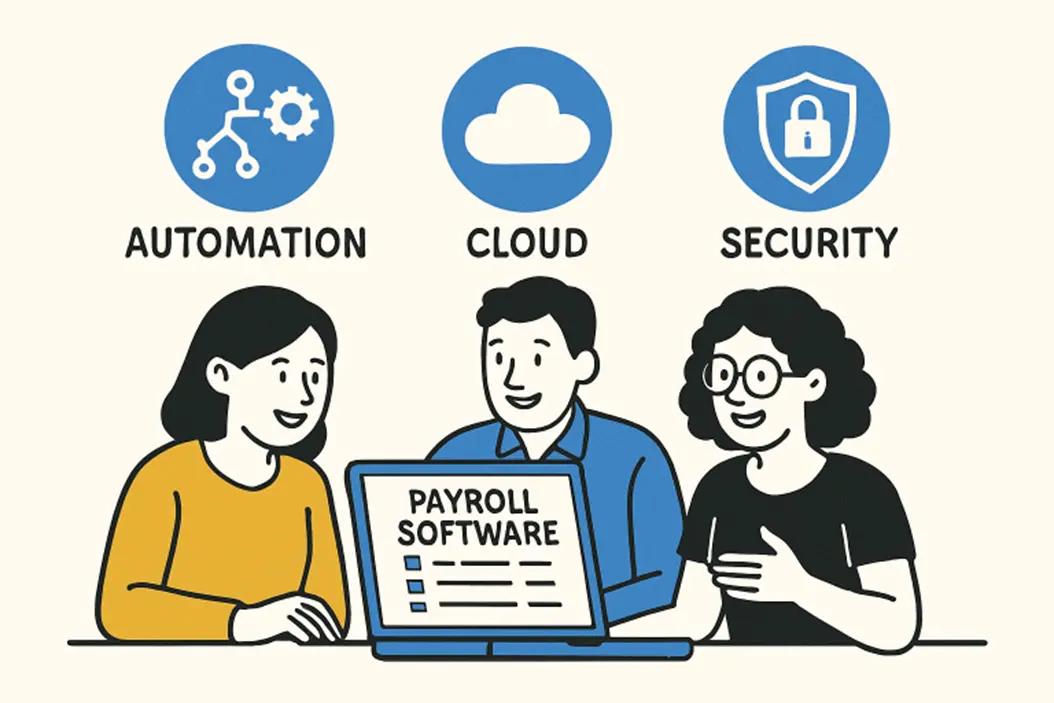
    Managing payroll remains one of the most complex and time-consuming tasks for small businesses, particularly because they often operate with very limited resources, budgets, and personnel. Every pay period brings with it a series of important deadlines and critical calculations, from tracking employee hours and calculating overtime to deducting taxes and staying abreast of compliance rules. The evolution of digital solutions, especially cloud-based payroll software for small businesses, is revolutionizing how small teams manage payroll. These tools automate tedious processes, embed smarter compliance features, and are far easier to access than traditional manual methods, helping small business owners and HR professionals save valuable time while significantly reducing costly errors. As digital adoption grows, small businesses are poised to compete more effectively by leveraging these new efficiencies.

    Adopting digital payroll systems is more than just a matter of convenience; it’s increasingly a strategic necessity for survival and success in today’s fast-moving business landscape. Streamlined payroll procedures not only save time and money but also contribute to improved employee satisfaction and retention, as staff benefit from timely payments and transparent record-keeping. Digital payroll also provides scalable solutions that can be easily adapted as teams expand, eliminating the need for repeated workflow overhauls. For small companies, the right technology can mean the difference between growth and stagnation. This article outlines the major advantages of this technological shift and explores how small businesses can benefit from the digital payroll revolution.

    Time-Saving Automation

    Manual payroll processing is not only repetitive but also demands a high level of accuracy, which can be resource-draining for small businesses. Employees or business owners end up spending hours on data entry, manual calculations, and chasing paperwork, all of which divert attention from growth-driving activities. Digital payroll tools can automate core payroll tasks such as calculating regular and overtime hours, automatically applying statutory deductions, and processing different pay rates for various job roles. As highlighted by the U.S. Small Business Administration, manual payroll systems take, on average, over six hours per month for even the smallest companies. Digital solutions can free up as much as 90 percent of that time, allowing small teams to focus on serving their customers and improving their businesses. With workflows set to run automatically and reminders in place, managers no longer have to worry about missing deadlines or making calculation mistakes due to fatigue or human error.

    Error Reduction and Compliance

    Errors in payroll can have serious consequences, from disgruntled employees to expensive penalties imposed by tax authorities. Manual efforts can easily lead to unintentional mistakes, such as misapplied deductions or miscalculations of overtime. Automated payroll tools address these challenges by incorporating built-in compliance checks and real-time updates to tax laws, reducing the possibility of errors and subsequent regulatory fines. These advanced platforms use intelligent algorithms to ensure that every payroll run is accurate, taxes are correctly withheld, and compliance requirements are met seamlessly in the background. This technology offers invaluable peace of mind to small business owners who cannot afford the time or resources to keep pace with frequent changes in employment or tax laws. With the ongoing integration of new technologies, payroll data accuracy is now higher than ever before, thanks to fewer manual interventions and more reliable audit trails.

    Cloud-Based Flexibility

    Cloud-based payroll systems represent a significant leap forward in terms of flexibility and accessibility for small businesses. Unlike legacy systems that require installation on specific devices or on-site servers, cloud-based solutions allow managers and payroll administrators to access information from virtually anywhere with an internet connection. This competency is particularly valuable for businesses with remote or hybrid teams, where employees and administrators might be distributed across different locations or even working in different time zones. With cloud access, tasks like running payroll, approving timesheets, or generating reports can be handled without being tied to a physical office, giving leaders the freedom to focus on business strategy rather than logistics. As teams grow, cloud payroll solutions also offer unparalleled scalability, expanding seamlessly as new employees are onboarded, all without extra hardware or major upgrades. Cloud providers typically manage security updates and system maintenance, eliminating the need for in-house IT expertise or costly infrastructure investments, which is especially advantageous for small organizations.

    Integration with Other Business Systems

    One of the hallmarks of modern payroll technology is its ability to integrate effortlessly with a range of other business systems, including accounting software, HR management tools, and time-tracking platforms. Seamless integration helps eliminate the risk of redundant data entry, which is not just time-consuming but also a common source of mistakes. Instead, payroll and financial data can be automatically synchronized across platforms, enabling real-time insights into business finances and supporting better decision-making. For example, solutions like the integration between Wave and Check provide full-service payroll features that work directly within an organization’s existing accounting platform, creating a single source of truth for financial data and helping more than 300,000 small businesses achieve greater accuracy and convenience. This interconnectedness not only boosts efficiency but also unlocks deeper analytical capabilities, allowing business owners and managers to get actionable insights into labor costs, trends, and cash flow at a glance.

    Employee Self-Service Portals

    Today’s digital payroll platforms give employees unprecedented access to their payroll and HR information through user-friendly self-service portals. These tools allow staff members to view and download pay stubs, annual tax forms, and benefits statements independently, without relying on HR for every update or request. Self-service functionality also enables employees to keep their personal details up to date, reducing the workload on small HR teams and minimizing the risk of outdated information causing payroll errors. Mobile applications further enhance accessibility, giving team members instant, secure access to payroll data from their smartphones or tablets, whether they’re in the office, at home, or on the move. This level of transparency improves employee trust and satisfaction, creating a more engaged workforce that feels empowered and informed about their compensation.

    Cost Efficiency

    For small businesses, controlling operating costs is a fundamental priority. Investing in reliable payroll software provides substantial long-term savings by reducing the risk and frequency of manual errors, avoiding penalties for late or incorrect filings, and reducing unnecessary labor hours tied to repetitive processes. Many digital payroll providers offer tiered pricing models, allowing even the smallest organizations to access powerful payroll features that were once out of reach. These cost-effective services scale as businesses grow, making it easy to add new employees without unpredictable expenses. For most small businesses, the return on investment is realized quickly, as streamlined processes lead to both fewer mistakes and improved productivity. By using digital tools to handle time-consuming tasks, valuable staff hours can be redirected to higher-value business activities that support further growth.

    Enhanced Security

    Payroll data is among the most sensitive information any business stores, containing details about employee compensation, tax IDs, and bank information. Protecting this data from cyber threats, data breaches, and even internal misuse is essential for legal compliance and maintaining employee trust. Digital payroll platforms are equipped with enterprise-grade security features, including end-to-end encryption, advanced user access controls, multi-factor authentication, and continuous automatic data backups. These safeguards ensure that only authorized individuals have access to confidential payroll records and minimize the risk of data loss through human error or technical failures. Security-focused design also helps businesses comply with increasingly strict data privacy laws, giving business owners confidence that their employee and financial data are protected at every step.

    Conclusion

    Digital payroll solutions have fundamentally changed the game for small teams, replacing time-consuming manual efforts with automation, accuracy, and better workforce experiences. From minimizing costly errors and staying on the right side of tax laws to unlocking flexibility for distributed workforces and protecting sensitive information with advanced security, few aspects of payroll management haven’t benefited from digital transformation. By embracing these easy-to-use technologies, small businesses can align their payroll processes with broader business goals and free up resources to focus on innovation and growth. Ultimately, digital payroll tools enable small business owners to keep their people happy, make better financial decisions, and thrive in a competitive, ever-evolving marketplace.

    Also Read-Marketing for Business Growth

  • How to Build Lasting Financial Habits for Lifelong Stability: A Practical, Data‑Driven Guide

    How to Build Lasting Financial Habits for Lifelong Stability: A Practical, Data‑Driven Guide

    Developing strong financial habits is one of the most effective ways to achieve lifelong stability and peace of mind. Whether you’re trying to break debt cycles, grow savings, or plan for retirement, actionable routines are the difference between stress and confidence. For many individuals seeking deep, structured guidance, Dow Janes offers a clear path with practical frameworks that help people build systems that last because successful habits are based on behaviors anchored in evidence, consistency, and intentional design.

    In this guide, we’ll go beyond slogans and surface tips to show you exactly how habits form, how to embed them into your financial life, and how to maintain them even when life changes. You’ll walk away with clear, research‑backed strategies that apply from your first paycheck to major milestones like buying a home or preparing for retirement.

    What Financial Habits Really Mean

    Ultimately, financial habits are patterns of behavior that determine how you interact with your money, what you spend, save, plan, and prepare for. But understanding habits is not just about knowing your credit card balance; it’s about recognizing the patterns that either accelerate or undermine your goals.

    For example, a person who habitually logs every transaction at the end of the day becomes more aware of spending trends without judgment or stress. Someone who consistently reviews their budget every Sunday night establishes a rhythm in which intentional choices replace reactive decisions. This is why authorities like Dow Janes emphasize that habits are systems rather than one‑off actions. The focus is on repetitive behavior that quietly compounds over time.

    Strong financial habits have three key characteristics:

    1. Trigger: A cue that starts the behavior (e.g., every payday).
    2. Routine: The action itself (e.g., transfer to savings).
    3. Reward: The positive outcome that reinforces the behavior (e.g., peace of mind, visible progress).

    Recognizing and designing each element ensures you’re not just trying to do better, you’re actually building a system that delivers.

    The Science Behind Habit Formation

    Understanding the psychology behind habit formation gives you a major advantage. Research shows that habits form through repetition and consistent environmental cues. A study published in the European Journal of Social Psychology found that, on average, it takes about 66 days for a behavior to become automatic, though the range varies by person and behavior complexity.

    This research highlights two essential truths:

    • Consistency beats intensity: Small, daily actions are far more effective than sporadic deep dives.
    • Context matters: Clear, consistent triggers help your brain recognize and lock in the new behavior.

    That’s why experts like Dow Janes encourage habit design that fits naturally into your existing routines. For instance, if you enjoy making a cup of coffee every morning, use that moment to initiate a daily financial review, even if it’s just checking your balance or categorizing one transaction. Over time, these small actions reduce friction and lower the cognitive load required to maintain momentum.

    Effective habit design also involves celebrating wins, even tiny ones. By rewarding yourself (with internal satisfaction or progress visualization), you reinforce the behavior loop and increase the likelihood that the habit will endure.

    Structure Your Financial Life with Practical Routines

    Now that you understand the “why,” let’s focus on the “how.” Structuring your financial life with practical routines makes it easier to build financial habits.

    Daily Routines

    Daily spending check‑ins keep you aware without overwhelming you. Spend a few minutes each day reviewing what you spent the day before, then categorize transactions using a budgeting tool like Mint, which offers real‑time visibility into spending categories. Regularity builds clarity, and clarity reduces anxiety.

    Weekly Reviews

    Use a consistent weekly time slot to:

    • Update your budget projections
    • Review progress toward savings goals
    • Set micro‑goals for the upcoming week

    Weekly reviews help you catch trends early and make small adjustments before minor issues become major problems.

    Monthly Audits

    Every month, take a deeper look at your financial picture:

    • Reconcile accounts and categorize all transactions
    • Confirm automated savings contributions have posted
    • Adjust budget categories based on real spending

    Monthly audits act as a financial compass, keeping you aligned with long‑term objectives while reinforcing strong habits.

    Automations and Tools That Support Behavior Change

    One of the most powerful ways to build habits is through automation, which removes the reliance on willpower. Once your actions become automatic, your future self benefits without real effort.

    Automatic Savings

    Set automated transfers from your checking account into dedicated savings or investment accounts on payday. This “pay yourself first” approach ensures that savings isn’t an afterthought; it becomes a default behavior.

    A Federal Reserve report shows that individuals who automate savings are significantly more likely to maintain emergency funds, as automation reinforces consistency and reduces decision fatigue.

    Smart Budgeting Tools

    Using technology simplifies tracking and makes habits more sustainable. Tools like You Need a Budget (YNAB) help you assign every dollar a purpose, making spending conscious instead of chaotic. Seeing your progress visually, whether through charts or weekly summaries, reinforces the habit loop with immediate feedback.

    Overcoming Common Financial Habit Barriers

    Even well‑structured routines and tools can be derailed by psychological barriers. Here’s how to address common challenges.

    Barrier: Willpower Fatigue

    Relying solely on willpower is a losing strategy. Fatigue sets in quickly, and old patterns resurface. Instead, anchor your habits to stable environmental cues so the behavior becomes automatic. For instance, tie logging expenses to a daily coffee routine.

    Barrier: Emotional Spending

    Impulse purchases often stem from emotions rather than rational decisions. Implement a 24‑hour rule for non‑essential purchases to give yourself space to decide, reducing regret and reinforcing mindful habits.

    Barrier: Inconsistent Monitoring

    Skipping weeks of monitoring makes it easy to lose sight of your trends. Use calendar reminders or habit trackers to maintain consistency. It’s a small investment that pays ongoing dividends.

    Adapting Habits to Major Life Transitions

    Life changes, such as a new job, a move, or family growth, can disrupt financial systems. But strong habits are adaptable.

    Strategy: Reground Instead of Reinvent

    Rather than abandoning core practices, adjust them to fit your new context. If your income changes, update your budget categories and savings targets accordingly.

    Connect to New Routines

    The first days of change bring new rhythms; use them. For example, if your commute changes, shift daily financial check‑ins to another time of day, like after dinner or before bed. Consistent anchors make habits retrievable across contexts.

    Conclusion

    Lasting financial stability doesn’t come from rare bursts of discipline; it comes from well‑designed systems and routines that become automatic over time. By leveraging consistent daily check‑ins, structured weekly reviews, automated savings, and research‑based habit design, you build financial resilience that withstands changes and challenges.

    Throughout this journey, turning to structured guidance from brands like Dow Janes can help reinforce systems and provide ongoing clarity as you refine your financial habits. With deliberate practice, supportive tools, and a growth mindset, you can turn financial goals into realities that last a lifetime.

    Also Read

  • The Unexpected Geography of Auto Insurance Rates in Louisiana

    The Unexpected Geography of Auto Insurance Rates in Louisiana

    Auto insurance rates are rarely uniform across a state. Numerous factors contribute to the variation, creating a complex landscape influenced by demographics, driving habits, and even geographic features. Louisiana, with its unique history and diverse regions, presents a particularly interesting case study. Understanding the nuances of insurance pricing within the state reveals why certain areas experience higher premiums than others, and what influences those differences. This exploration delves into the factors shaping auto insurance rates in Louisiana, focusing on the specific considerations impacting the Baton Rouge area and beyond.

    Louisiana’s Historical Context and Insurance Regulations

    Louisiana’s insurance market is deeply rooted in its history. The state’s early development relied heavily on maritime commerce and agriculture, both sectors that historically presented significant risks. Consequently, the insurance industry evolved alongside these industries, initially focused on covering shipowners and farmers. This legacy continues to influence the state’s regulatory environment. Louisiana’s Department of Insurance (DOI) plays a crucial role in overseeing the insurance market, setting rates, and ensuring solvency of insurers. However, the DOI’s regulations are subject to ongoing scrutiny and adjustments based on evolving risk assessments and broader national trends. The state’s relatively relaxed regulations, compared to some other states, can contribute to a more competitive market, but also potentially exposes drivers to higher risk assessments.

    Regional Variations: Population Density and Urbanization

    A primary driver of auto insurance rate differences across Louisiana is population density and the degree of urbanization. The New Orleans metropolitan area, including Orleans and Jefferson parishes, experiences significantly higher population density than many other regions of the state. This increased concentration of vehicles on roadways naturally translates to a higher volume of potential accidents, leading to increased claims frequency and severity. Consequently, insurers operating in this area typically assess risk more conservatively, resulting in higher premiums for drivers. Conversely, rural parishes, characterized by lower population densities and fewer vehicles, tend to see lower insurance rates due to the reduced risk profile. The Baton Rouge metropolitan area, while urban, occupies a middle ground, experiencing a moderate level of population density and related risk factors.

    Road Conditions and Accident Rates – A Localized Impact

    Beyond population, the quality of roads and infrastructure plays a significant role in determining insurance rates. Louisiana, particularly areas outside of the major metropolitan centers, has historically faced challenges with road maintenance and construction. Potholes, uneven surfaces, and inadequate signage can contribute to an increased risk of accidents, especially during periods of inclement weather – a common occurrence in Louisiana. Data analysis consistently reveals a correlation between road conditions and accident rates. Areas with poorly maintained roads tend to have higher accident frequencies, which directly impacts insurance costs. The Baton Rouge area, while benefiting from ongoing infrastructure improvements, still faces challenges related to drainage and road surface degradation, contributing to localized risk assessments.

    Vehicle Theft and Fraud: A State-Wide Concern

    Auto theft is a significant concern throughout Louisiana, impacting insurance rates across the state. The state consistently ranks high in vehicle theft statistics, leading insurers to factor in the increased risk of claims related to stolen vehicles and the associated costs of replacement or repair. While theft rates may vary across parishes, the overall state-wide trend contributes to higher premiums. Furthermore, the presence of insurance fraud – both intentional and unintentional – adds another layer of complexity to the pricing process. Insurers meticulously investigate claims to identify and prevent fraudulent activity, which inevitably translates to higher rates for all policyholders. The cost of combating fraud, alongside the financial impact of actual fraudulent claims, impacts all insurance companies operating in Louisiana.

    Understanding the ‘Deductible’ – A Key Component of Cost

    The choice of a deductible – the amount a policyholder pays out-of-pocket before insurance coverage kicks in – significantly impacts the overall cost of auto insurance. A higher deductible typically results in a lower premium because the insurer assumes more risk. Conversely, a lower deductible leads to a higher premium, as the policyholder bears a greater financial responsibility for any claims. What is a deductible in car insurance? A deductible is the amount you pay towards a claim before your insurance coverage takes effect – is crucial for controlling costs. Choosing a deductible that aligns with a driver’s risk tolerance and financial capacity is a key decision in managing auto insurance expenses. For example, someone comfortable with a larger upfront payment might opt for a higher deductible to reduce their monthly premium.

    The Baton Rouge Market: A Balancing Act of Factors

    The Baton Rouge market presents a unique situation, reflecting a combination of the factors previously discussed. The city’s urban environment and moderate population density contribute to a higher risk profile compared to more rural areas of Louisiana. However, the ongoing economic development and infrastructure investments in Baton Rouge are gradually improving road conditions and reducing accident rates. Insurers operating in the Baton Rouge area must carefully balance these competing factors when determining premiums. Competition among insurers also plays a role, with providers constantly adjusting their rates to attract and retain customers. Ultimately, finding the most suitable auto insurance policy in Baton Rouge requires a thorough assessment of individual needs and a careful comparison of available options. The availability of cheap car insurance baton rouge reflects the market’s competitive landscape and the efforts of insurers to offer affordable coverage.

    Also Read